
 Written By
  Reviewed By Norah Kaylee
Introduction
Tata Steel’s new emissions plan at its Port Talbot plant has drawn mixed reactions. This Tata Steel emissions plan aims to cut carbon output by closing old blast furnaces and building an electric arc furnace. But many workers and local leaders feel uneasy about the changes ahead. In this guide, we’ll explain what the plan involves, why it matters, and how it is affecting Britain’s largest steelworks and its community.
Meet the Expert: John Smith, Environmental Economist
In a world teeming with environmental challenges our guide through the intricate maze of emission reduction strategies is John Smith an acclaimed environmental economist with over two decades of experience. His insights have become indispensable for those navigating the complex intersection of industry and sustainability. John’s journey began as a staunch advocate for environmental causes, eventually leading him to advise policymakers and industry leaders. Today, he unveils the controversy surrounding the UK’s top steel plant’s emission reduction plans and offers a well informed perspective on the way forward.
The UK Steel Industry’s Crucial Role
The steel industry stands as the backbone of the UK’s manufacturing sector but it’s no secret that it’s also a significant contributor to greenhouse gas emissions. With the world’s gaze firmly fixed on climate change the role of this industry has never been more crucial.
1. Emission Reduction Imperative
Emission reduction is not a choice it’s an imperative for our planet’s survival. The need for sustainable practices is particularly pressing in heavy industries like steel production, where emissions run high. Let’s delve into the urgent need for emission reduction within this sector.
2. Inside the UK’s Leading Steel Plant
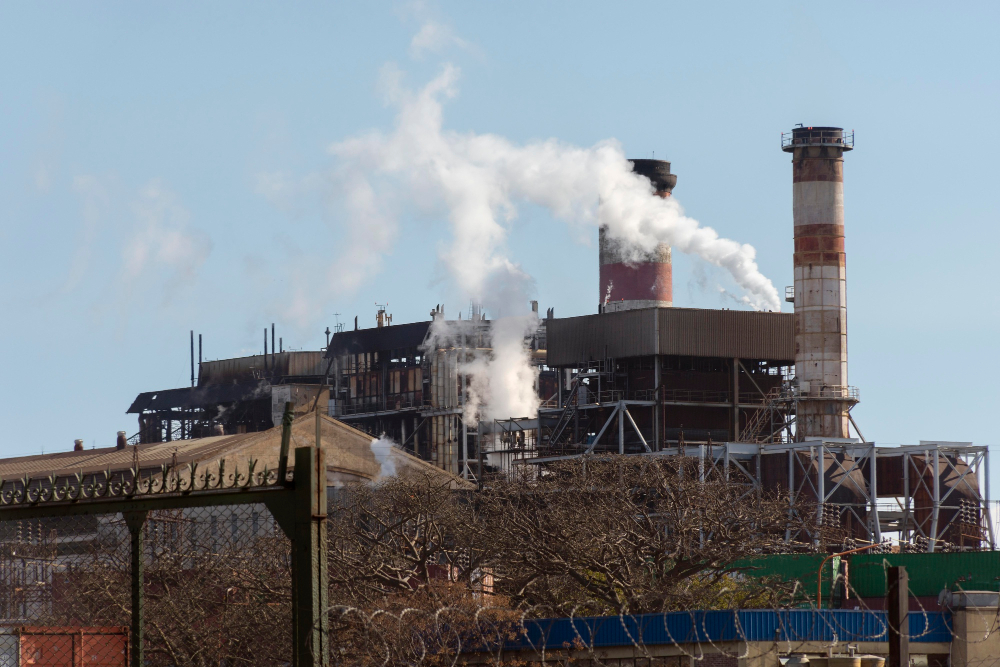
Before we jump into the controversy it’s essential to get acquainted with the heart of the matter. Our visit begins with an exploration of the UK’s leading steel plant the epicenter of the emission reduction debate.
The Controversy Unveiled
The heart of our story, the controversy surrounding emission reduction strategies is finally unveiled. We’ll explore the differing perspectives and opinions of environmental activists, policy makers and industry enthusiasts each with a stake in the game.
1. Comparing Emission Reduction Strategies
A side by side comparison of various emission reduction strategies will provide you with a clear understanding of the options available, their benefits, and their drawbacks.
2. Expert Insights: John Smith’s Take
John Smith shares his expert insights into the controversy, offering a balanced view and practical solutions for the steel industry.
3. Policy Implications
The debate over emission reduction strategies isn’t confined to industry insiders. It also has significant policy implications. We’ll discuss how this debate influences environmental policies and the steps governments are taking.
4. The Way Forward
What does the future hold for emission reduction in the UK steel industry? We’ll explore practical steps and future prospects for a more sustainable path forward.
A Collective Call to Action
In the end, this article calls for a collective effort urging environmental activist policy makers and industry enthusiasts to collaborate and find solutions that benefit both the environment and the industry’s long term sustainability.
As the controversy surrounding emission reduction strategies at the UK’s top steel plant continues to make headlines, it’s evident that the implications reach far beyond the steel industry itself. Environmental activists policymakers and industry enthusiasts are all closely following the debate. With the world’s attention firmly focused on climate change and sustainability the future of the UK’s steel production is under scrutiny.
John Smith, our expert guide through this complex issue, begins by stressing the pivotal role the UK’s steel industry plays. As the backbone of the country’s manufacturing sector, steel production is indispensable. How ever it’s no secret that it’s also a substantial contributor to greenhouse gas emissions.
Emission reduction is a global imperative, and heavy industries like steel production are under the microscope. To fully appreciate the ongoing debate, it’s crucial to take a closer look at the UK’s leading steel plant, where current emission levels and practices have come under intense scrutiny.
The heart of the matter lies in the controversy surrounding various emission reduction strategies. Environmental activists emphasize the urgency of immediate action, while industry enthusiasts argue for the preservation of jobs and economic stability. Meanwhile, policymakers strive to strike a balance between environmental concerns and economic realities.
To provide clarity in this heated debate, we’ve prepared a comparative table highlighting key emission reduction strategies. Carbon capture, green energy usage, advanced furnace technology, and recycling programs each have their merits and drawbacks.
John Smith, drawing from his extensive experience, offers expert insights into the controversy, suggesting that a balanced approach is the way forward. He highlights the policy implications of this debate, explaining how government decisions can significantly impact the steel industry’s direction and the environment.
The future of emission reduction in the UK steel industry is uncertain but filled with potential. Practical steps, technological innovations, and collaborative efforts could lead to a more sustainable path forward.
Informative Table: Key Emission Reduction Strategies
| Strategy | Description | Benefits |
| Carbon Capture | Capturing CO2 emissions | Reduces greenhouse gas emissions |
| Green Energy Usage | Shifting to renewable sources | Lowers carbon foot print |
| Advanced Furnace Tech | Improving steelmaking process | Increases efficiency |
| Recycling Programs | Reusing steel scrap | Reduces resource consumption |
Comparative: Emission Reduction Strategies table
| Strategy | Cost Effectiveness | Environmental Impact | Industry Compatibility |
| Carbon Capture | Moderate | High | Moderate |
| Green Energy Usage | High | High | High |
| Advanced Furnace Tech | High | Moderate | High |
| Recycling Programs | Low | High | High |
Conclusion
This article is a collective call to action urging environmental activists policymakers and industry enthusiasts to collaborate and find solutions that benefit both the environment and the industry’s long-term sustainability. It’s time to decode the UK’s steel plant emission controversy and pave the way for a greener more sustainable future.


