
 Written By
  Reviewed By Alma Murphy
Introduction
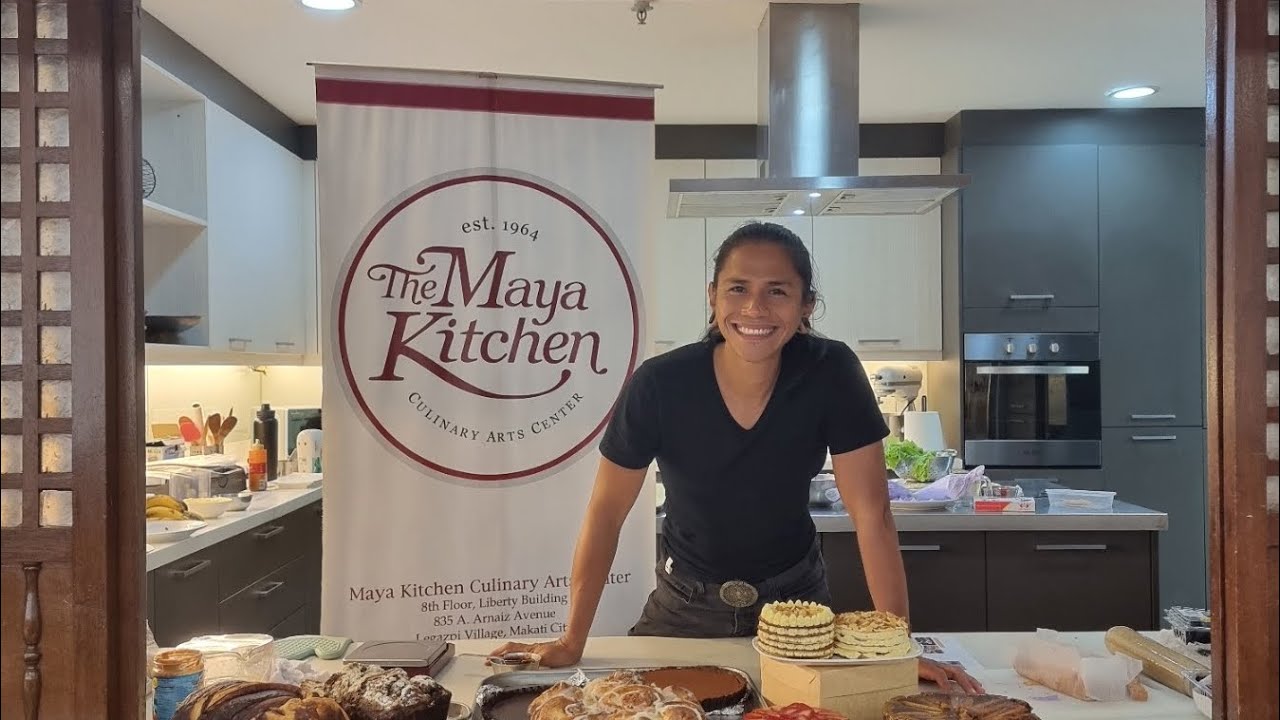
Imagine savoring a dish that combines the bold spices of India, the fresh herbs of Thailand, and the comforting grains of West Africa—all on one plate. That’s the magic of Maya Mangojoy, a rising star in culinary fusion. With a passion for experimenting and a deep respect for worldwide traditions, Maya blends flavors and techniques into unforgettable meals. Whether you’re a seasoned foodie or a home cook eager to expand your repertoire, Maya Mangojoy’s approach to fusion cuisine offers inspiration, creativity, and practical guidance. In this article, we dive into her background, cooking philosophy, signature dishes, and tips to help you bring her artistry into your kitchen.
Maya Mangojoy’s Culinary Journey
1. From Home Kitchen to Global Stage
Maya grew up in a multicultural family home, where Sunday dinners mixed Caribbean jerk chicken, Italian pasta, and Ghanaian jollof rice. Early on, she learned that great food transcends borders. After culinary school, Maya traveled through Asia, Africa, and South America, apprenticing with local chefs and studying market-fresh ingredients. These experiences shaped her belief that fusion cuisine isn’t just mixing ingredients—it’s celebrating each culture’s history and spirit.
2. Awards and Recognition
- 2022 Fusion Chef of the Year by Global Food Magazine
- Best New Cookbook for Spice & Harmony (2023)
- Featured guest on “World Flavors” and “Kitchen Lab” TV series
These honors highlight Maya’s role in popularizing thoughtful, respectful fusion cooking.
The Philosophy Behind Culinary Fusion
1. Respecting Tradition
Maya insists that fusion dishes must honor their origins. “I never take shortcuts,” she says. “If I use Japanese miso, I learn its history and traditional uses before blending it with Mexican chilies.” This respect ensures flavors remain authentic, even in bold combinations.
2. Balancing Flavors
Central to Maya’s art is balance—sweet, salty, sour, bitter, and umami must work together. She uses fresh mango to cut through rich sauces, or coconut milk to mellow fiery peppers. Her palate training teaches home cooks to taste as they go, adjusting levels for harmony.
3. Storytelling Through Food
Every dish tells a story: Maya’s popular Jerk-Miso Salmon pays tribute to her Jamaican roots and Japanese travels. Creative names like Mangojoy Curry Ramen invite diners to explore cultural connections on their plates.
Signature Fusion Dishes
1. Jerk-Miso Salmon
- Ingredients: Salmon fillets, Jamaican jerk seasoning, white miso paste, lime juice, scallions.
- Method: Marinate salmon in jerk rub, then slather with a miso-lime glaze before searing. Serve with jasmine rice and pickled ginger.
- Flavor Profile: Smoky and spicy meets savory and tangy, with a fresh finish from lime and ginger.
2. Mangojoy Curry Ramen
- Ingredients: Fresh mango puree, Thai red curry paste, coconut milk, ramen noodles, bok choy, tofu or chicken.
- Method: Make a broth by simmering mango, curry paste, and coconut milk. Add noodles and vegetables, top with cilantro and chili flakes.
- Flavor Profile: Creamy and fruity curry, spiced by chili, balanced by sweet mango.
3. West African–Italian Risotto
- Ingredients: Arborio rice, palm oil, peanut butter, Parmesan, spinach, onions.
- Method: Sauté onions in palm oil, toast rice, then slowly add broth and peanut butter. Stir in cheese and spinach.
- Flavor Profile: Earthy, nutty, and rich—combining Italian creaminess with West African staple flavors.
Techniques for Home Cooks
1. Mastering Marinades
Learn to build layers: an acidic base (vinegar or citrus), spices, salt, oil, and fresh herbs. Marinate proteins overnight for deep flavor.
2. Building Broths and Sauces
Start with aromatics—garlic, ginger, onions. Add your international twist: star anise for Chinese flair, smoked paprika for Spanish notes. Simmer gently to extract full flavors.
3. Embracing Fresh and Dried Spices
Use fresh herbs (cilantro, basil) at the end of cooking for brightness. Add dried spices (cumin, coriander) early to toast and unlock oils.
4. Plating with Purpose
Maya uses color contrast—bright mango against dark rice—and varying textures, like crunchy peanuts on creamy curry. A well-plated dish enhances the dining experience.
Sourcing Ingredients and Sustainability

1. Local Markets and Global Goods
Maya advises shopping at farmers markets for seasonal produce and small ethnic stores for authentic spices. “Supporting small vendors builds community and reduces carbon footprint,” she notes.
2. Sustainable Seafood and Proteins
Choose fish certified by the Marine Stewardship Council and ethically raised meats. Plant-based proteins like lentils and tofu also feature in Maya’s menus, lowering environmental impact.
Teaching Inclusivity Through Food
1. Cultural Exchange
Maya’s cooking classes pair participants from different backgrounds, encouraging sharing of family recipes. This fosters understanding and respect across cultures.
2. Adaptive Recipes
She offers gluten-free, vegetarian, and nut-free adaptations, ensuring everyone can enjoy fusion dishes. Inclusivity expands the reach and joy of cooking.
Digital Presence and Community Engagement
1. Online Cooking Workshops
Maya hosts live sessions on Instagram and Zoom, guiding students through a dish step-by-step and answering real-time questions.
2. Social Media Inspiration
With over 200K followers on TikTok, Maya shares quick recipe hacks, flavor pairing tips, and behind-the-scenes kitchen tours.
3. Cookbook and Blog
Spice & Harmony features 50 fusion recipes and stories. Her blog expands on ingredient deep-dives and seasonal menus, ranking high for “global fusion recipes” in search results.
The Future of Culinary Fusion
1. AI and Recipe Development
Maya experiments with AI tools to analyze flavor networks—suggesting unexpected combinations like tamarind and blackberry. Technology accelerates creativity while humans provide context and soul.
2. Virtual Reality Dining
Next, Maya plans VR cooking classes where students can virtually tour spice markets in India or fish markets in Japan, making ingredient exploration immersive.
3. Collaborative Global Menus
She envisions rotating pop-up dinners with guest chefs from different countries, creating menu mashups that highlight emerging fusion trends.
Conclusion
Maya Mangojoy stands at the forefront of culinary fusion, blending respect for tradition with fearless innovation. Her signature dishes—like Jerk-Miso Salmon, Mangojoy Curry Ramen, and West African–Italian Risotto—show how global flavors can dance together in harmony. By mastering techniques such as layered marinades, balanced spice use, and purposeful plating, home cooks can bring Maya’s artistry into their kitchens. Her focus on sustainability, inclusivity, and community learning ensures that fusion cuisine remains both ethical and accessible. As AI and VR expand creative horizons, Maya’s work reminds us that cooking across cultures is not just about food; it’s a journey of empathy, discovery, and shared joy. Embrace her philosophy, and let every meal become a celebration of global unity and flavor exploration.


