 Written By
  Reviewed By Kevin Stanley
Introduction
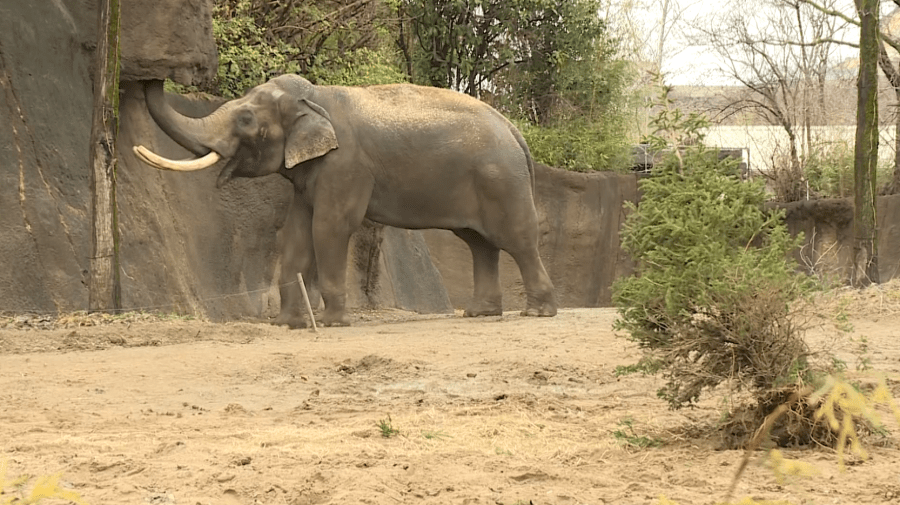
The relocation of animals, particularly large and iconic ones like Raja, an elephant, from one zoo to another demands meticulous planning and execution to ensure their comfort, health, and overall well-being. The St. Louis Zoo and the Columbus Zoo are institutions renowned for their dedication to animal care and conservation. When Raja was relocated, both zoos embarked on an extensive process to prioritize his transition and well-being, reflecting the significance of animal care in zoo settings.
St. Louis Zoo’s Approach
The St. Louis Zoo has a reputation for its exceptional care and conservation efforts. When Raja was slated for transfer, the zoo prioritized a comprehensive plan to ensure his comfort and minimize stress during the transition. Months before the move, the zoo’s team meticulously studied Raja’s behavior, health records, and dietary requirements to tailor an optimal relocation strategy. Veterinarians and animal behaviorists played a pivotal role in assessing Raja’s physical and mental health. They gradually acclimated him to the transportation crate to minimize anxiety during the journey. The staff continuously monitored Raja’s well-being, ensuring he received familiar food and maintaining a routine to reduce stress. Upon arrival at the Columbus Zoo, a dedicated team welcomed Raja. They provided a transition area that mimicked his St. Louis habitat to ease him into the new environment. Caretakers, familiar with his behaviors and needs, ensured a seamless integration into the new space.
Columbus Zoo’s Care Measures
The Columbus Zoo, renowned for its commitment to animal welfare, meticulously prepared for Raja’s arrival. They created an environment tailored to his needs, considering his social interactions, dietary requirements, and exercise routines. Zookeepers, well-versed in elephant care, monitored Raja closely, gradually introducing him to the diverse landscape and elephant community. Moreover, the Columbus Zoo emphasized enrichment activities to stimulate Raja mentally and physically. Puzzle feeders, sensory toys, and novel experiences engaged his natural behaviors, enhancing his well-being and reducing stress associated with relocation.
Importance of Animal Care in Zoo Settings
Animal care in zoo settings extends beyond mere provision of shelter and food. It encompasses a holistic approach focusing on physical health, mental stimulation, and emotional well-being. Zoos serve as ambassadors for conservation and education, playing a crucial role in fostering public awareness about endangered species and their habitats. Therefore, ensuring the welfare of animals like Raja is pivotal in fulfilling these roles. Comprehensive care involves continuous research, employing skilled professionals like veterinarians, biologists, and behaviorists. These experts closely monitor animals, design specialized diets, and create enrichment programs tailored to each species’ needs.
Conservation and Research
Breeding Programs
Both zoos participate in the Association of Zoos & Aquariums (AZA) African Elephant Species Survival Plan (SSP), coordinating breeding to maintain genetic diversity.
- St. Louis Success: Multiple births in recent years, including first-time moms.
- Columbus Achievements: Historic births contributing to population stability.
Field Conservation Support
- Donations: Funding anti-poaching patrols in Africa.
- Research Partnerships: Tagging and tracking wild herds to study migration and habitat use.
In-House Research
- Behavioral Studies: Tracking daily activity budgets to refine enrichment protocols.
- Health Innovations: Testing new hoof-care techniques later adopted by other facilities worldwide.
By bridging zoo-based expertise with field programs, both institutions contribute to the long-term survival of wild elephants.
Community Engagement and Education
Educating the public is central to both zoos’ missions.
Interactive Exhibits and Programming
- Keeper Talks and Demonstrations: Zookeepers share insights on elephant behavior and care.
- Virtual Tours: Online livestreams of feeding and training sessions engage distant audiences.
- School Outreach: Mobile “Elephant Ed” programs bring lesson plans and artifacts to classrooms.
Digital Education Tools
- E-Learning Modules: Interactive lessons on elephant ecology, threats, and conservation.
- Social Media Campaigns: Highlight individual elephants and their stories, encouraging donations and advocacy.
These efforts raise awareness in Branson, Columbus, and beyond, inspiring millions to support elephant well-being.
Challenges and Future Directions
Despite progress, elephant care in zoos faces challenges:
- Space Limitations: Urban zoos must continually innovate to maximize limited acreage.
- Aging Populations: As herd members grow older, specialized geriatric care becomes critical.
- Public Scrutiny: Animal welfare activists and changing public attitudes demand ever-higher standards.
Innovations on the Horizon
- Expanded Habitats: Plans for larger, multi-acre savanna areas at both zoos.
- Enhanced Technology: Wearable health monitors provide real-time vital signs data.
- Green Initiatives: Renewable energy and water recycling systems reduce environmental impacts.
By staying at the forefront of zoo science and sustainability, the St. Louis and Columbus Zoos aim to set global benchmarks for elephant well-being.
Conclusion
The St. Louis Zoo and Columbus Zoo exemplify world-class elephant care, blending habitat innovation, enrichment, veterinary excellence, and community outreach. Their efforts ensure that elephants not only survive in human care but thrive, exhibiting natural behaviors and strong social bonds. Through breeding and field conservation, they contribute to the future of wild populations as well. As these institutions expand habitats, embrace new technologies, and deepen public education, they lead the zoo world in safeguarding elephant health and happiness. By supporting their work—whether by visiting, donating, or sharing their stories—you join a global effort to secure a brighter future for these magnificent animals.
The relocation of animals like Raja requires meticulous planning and execution to safeguard their well-being. The St. Louis Zoo and the Columbus Zoo exemplified this dedication by prioritizing Raja’s comfort, health, and adaptation to his new environment. Their comprehensive care strategies, backed by expert knowledge and a commitment to conservation, underscore the crucial role of animal care in zoo settings. By ensuring the welfare of animals, zoos not only contribute to their conservation but also serve as educational platforms, inspiring the public to value and protect wildlife. Raja’s successful transition highlights the importance of prioritizing animal welfare in zoo settings, fostering a deeper understanding and appreciation for these magnificent creatures among visitors worldwide.