
 Written By
  Reviewed By Karina Carter
Introduction
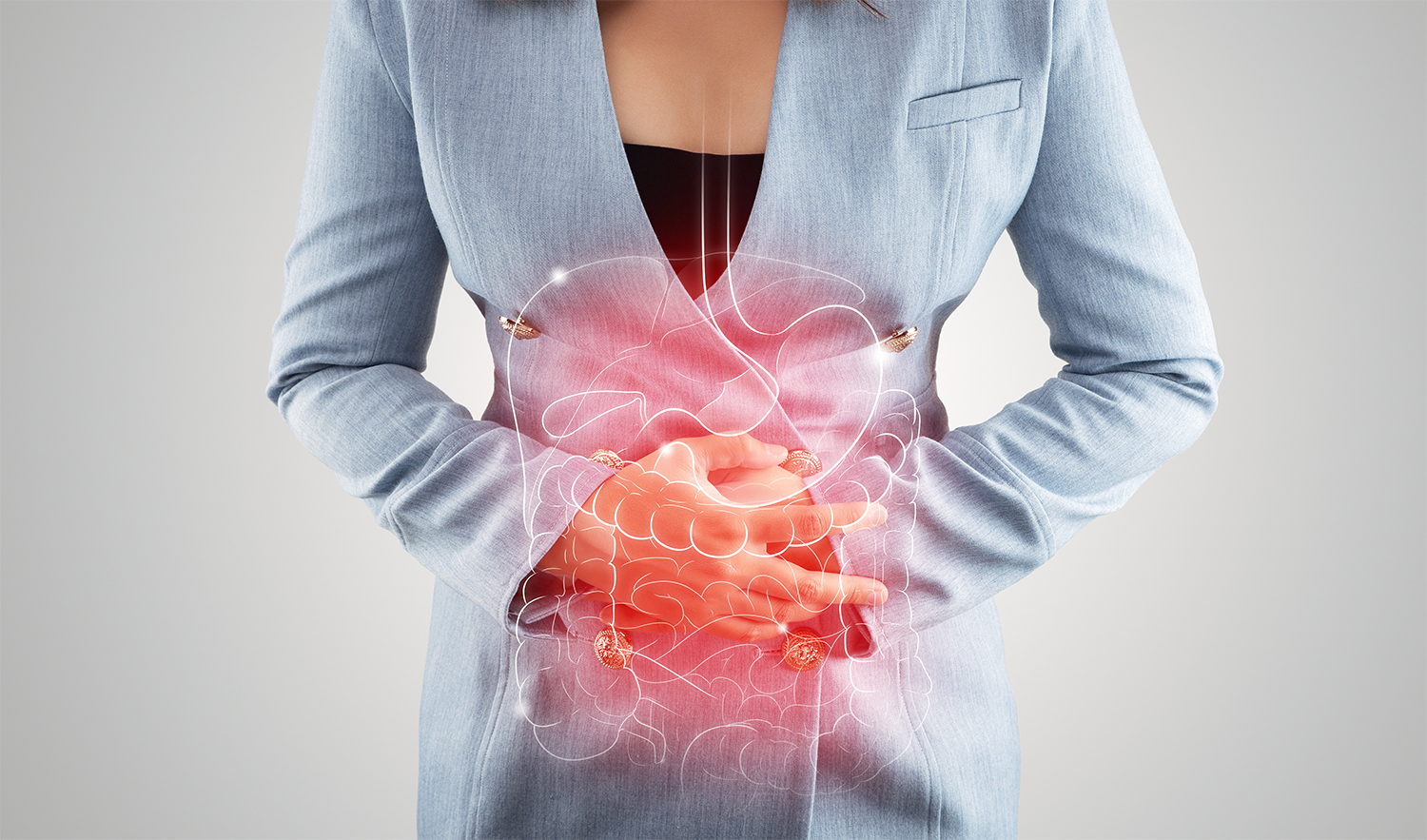
Your gut does far more than digest food. It hosts trillions of microbes that influence your mood, immunity, and overall health. When your gut is out of balance, you may experience a range of unsettling symptoms. From digestive issues to skin problems, the signs of an unhealthy gut can appear in surprising ways. The good news? Simple dietary and lifestyle changes can restore harmony in your digestive system. In this article, we’ll explore 9 key signs of an unhealthy gut and share practical tips on how to improve gut health for a happier, healthier you.
9 Signs of an Unhealthy Gut and What You Can Do About It
1. Frequent Bloating and Gas
Feeling bloated or gassy after meals is one of the most common signs of an unhealthy gut. When the balance of gut bacteria shifts, undigested food ferments and produces excess gas. To ease bloating:
- Eat slowly and chew thoroughly.
- Limit gas-producing foods like beans, cabbage, and carbonated drinks.
- Try probiotics, such as yogurt or kefir, to restore beneficial bacteria.
- Stay active after meals with a short walk to help move gas through your system.
2. Persistent Constipation or Diarrhea
Regular bowel movements are a sign of a balanced gut. If you experience chronic constipation or diarrhea, it may indicate an imbalance in gut flora. To support healthy digestion:
- Increase fiber intake with fruits, vegetables, and whole grains.
- Stay hydrated by drinking at least eight glasses of water daily.
- Consider magnesium supplements to ease constipation (consult your doctor first).
- Probiotic-rich foods, like sauerkraut and kombucha, can help normalize stool consistency.
3. Unexplained Weight Changes
An unhealthy gut can affect your metabolism and hunger hormones. You might gain weight without changing your diet, or find yourself losing weight unexpectedly. To help regulate weight:
- Balance your plate with lean proteins, healthy fats, and complex carbs.
- Avoid processed foods high in sugar and additives that disrupt gut bacteria.
- Eat prebiotic foods, such as garlic, onions, and bananas, to feed good microbes.
- Monitor portions and practice mindful eating to prevent overeating.
4. Skin Irritation and Acne
Your gut and skin are closely linked. Imbalances in gut bacteria can lead to inflammation that shows up as acne, eczema, or rosacea. To promote clearer skin:
- Eliminate dairy or gluten temporarily to see if your skin improves.
- Boost omega-3 intake with fatty fish or flaxseeds to reduce inflammation.
- Use gentle skincare products free from harsh chemicals and fragrances.
- Maintain a probiotic supplement or fermented foods to support skin-friendly bacteria.
5. Constant Fatigue and Sleep Issues
Tiredness and poor sleep can stem from an unhealthy gut. Gut imbalances affect the production of sleep-regulating hormones like serotonin. To enhance energy and rest:
- Stick to a sleep schedule, going to bed and waking up at the same time daily.
- Limit caffeine after early afternoon to improve sleep quality.
- Include fiber and protein at dinner to stabilize blood sugar overnight.
- Incorporate magnesium-rich foods, such as nuts and leafy greens, to support relaxation.
6. Food Intolerances and Sensitivities
If certain foods—like dairy or gluten—trigger digestive upset, you may have a leaky gut, where undigested particles enter the bloodstream and cause immune reactions. To address sensitivities:
- Follow an elimination diet under professional guidance to identify culprits.
- Heal your gut lining with bone broth, collagen supplements, and zinc.
- Add L-glutamine supplements to support intestinal cells.
- Slowly reintroduce foods one at a time and monitor your body’s response.
7. Frequent Infections or Illness
A balanced gut microbiome is crucial for a strong immune system. If you catch colds or infections often, it may signal a weakened gut barrier. To bolster immunity:
- Eat a diverse diet rich in fruits, vegetables, and whole grains for varied nutrients.
- Consume fermented foods, like kimchi and miso, to populate your gut with good bacteria.
- Avoid unnecessary antibiotics, which kill both bad and good bacteria.
- Manage stress, as chronic stress disrupts gut flora and immune function.
8. Mood Swings, Anxiety, or Depression
Your gut produces up to 90% of the body’s serotonin, a key mood stabilizer. An unhealthy gut can contribute to anxiety, depression, and brain fog. To support mental health:
- Include probiotic foods daily to encourage serotonin-producing bacteria.
- Prioritize prebiotic fiber, found in leeks and asparagus, to feed mood-boosting microbes.
- Practice mindfulness or yoga to reduce stress-related gut issues.
- Ensure adequate B vitamins, especially B12 and folate, from whole foods or supplements.
9. Persistent Bad Breath
While often blamed on oral hygiene, halitosis can originate in your gut. Imbalances allow foul-smelling compounds to enter your bloodstream and reach your lungs. To freshen breath:
- Brush and floss twice daily, and scrape your tongue to remove odor-causing bacteria.
- Stay hydrated to maintain saliva flow and wash away debris.
- Sip green tea, which contains antioxidants that combat bacteria.
- Work on gut balance through a fiber-rich diet and probiotics.
Conclusion
A healthy gut is vital for digestion, immunity, mental well-being, and even skin health. If you notice signs like bloating, fatigue, skin issues, or mood swings, take action with simple lifestyle changes: eat diverse, fiber-rich foods; include probiotics and prebiotics; stay active; and manage stress. When needed, seek medical advice for persistent issues or consider professional testing for food intolerances and hormone imbalances. By prioritizing your gut health, you’ll feel more energetic, rested, and confident—because a happier gut leads to a healthier you.


