

 Written By
  Reviewed By Poppy Louise
Introduction
Everyone wants to feel their best, but busy lives often get in the way. Instead of turning immediately to pills, you can use science-backed remedies from nature. These natural health remedies tap into centuries of herbal wisdom, with modern studies confirming their benefits.
In this article, you will discover simple, proven wellness remedies that fit into any routine. We’ll explain what each remedy does, how to use it, and share tips to boost your health naturally. From spices that calm inflammation to drinks that sharpen your mind, these natural wellness tips bring real change. Ready to explore? Let’s dive into six powerful evidence-based natural remedies and learn how to weave them into daily life for lasting wellness.
What Are Natural Health Remedies?
Natural health remedies are treatments made from plants, foods, or practices found in nature. They often carry fewer side effects than synthetic drugs. When backed by research, these remedies offer real, measurable benefits.
For example, herbs like turmeric and ginger have been studied for their anti-inflammatory and antioxidant properties. Fermented foods and supplements supply probiotics that support gut health. Even simple habits like drinking green tea offer protective effects on heart and brain.
Using these remedies does not replace medical care for serious conditions. Always check with a healthcare provider before starting any new remedy. However, integrating science-backed remedies into your daily routine can boost your immune system, ease discomfort, and improve overall holistic health.
How Does Turmeric Support Wellness?
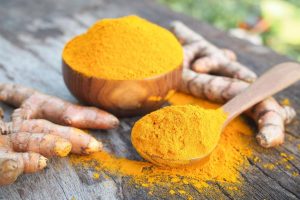
Turmeric, a bright yellow spice, owes its powers to curcumin. This compound fights inflammation and protects cells from damage. Studies show that curcumin can help ease joint pain in arthritis and may support heart health by reducing cholesterol and blood pressure.
To use turmeric, add a teaspoon of powder to soups, smoothies, or warm milk. For better absorption, mix it with black pepper and fat like coconut oil. If you need higher doses, consider a supplement standardized to at least 95% curcuminoids.
Tip: Start with small amounts to gauge tolerance. If you take blood thinners, consult your doctor before using turmeric supplements.
By adding herbal remedies like turmeric to your diet, you tap into a powerful, natural ally for long-term wellness.
Why Green Tea Is a Brain and Body Booster

Green tea is more than a soothing drink. It contains EGCG, a potent antioxidant linked to lower risks of heart disease, certain cancers, and neurodegenerative conditions. Regular green tea drinkers often show better memory and focus.
To brew the best cup, steep green tea leaves in hot (not boiling) water for two to three minutes. Aim for two to four cups per day. You can also find matcha powder, which offers a higher concentration of antioxidants since you consume the whole leaf.
Tip: Drink your green tea before meals to aid digestion, or swap one coffee a day for green tea to reduce caffeine jitters.
Green tea’s gentle energy lift and long-term benefits make it one of the top home remedies for mind and body.
What Role Do Omega-3 Fatty Acids Play?

Omega-3 fatty acids come from fish oil and certain seeds. They support heart health, brain function, and eye health. Studies show that omega-3s lower triglycerides, reduce inflammation, and may help ease depression symptoms.
You can get omega-3 from fatty fish like salmon, mackerel, and sardines—aim for two servings per week. For vegetarians, flaxseeds, chia seeds, and walnuts provide alpha-linolenic acid (ALA), which the body converts, though less efficiently. Supplements with EPA and DHA are an easy way to ensure you meet daily needs.
Tip: Choose fish oil supplements that are third-party tested for purity to avoid heavy metals and contaminants.
By adding evidence-based natural remedies like omega-3s, you strengthen your cardiovascular system and support your mood naturally.
How Can Ginger Improve Digestion and Immunity?

Ginger has been used for centuries to ease nausea and support digestion. Modern research shows ginger’s active compounds, gingerols, work as powerful antioxidants and have anti-inflammatory effects. They can calm an upset stomach, reduce menstrual pain, and even lower blood sugar levels.
Sip ginger tea by steeping fresh slices in hot water for 10 minutes. Add honey and lemon for flavor. You can also include ginger powder in cooking or take capsules for a more concentrated dose.
Tip: Keep a small piece of ginger in your bag for quick nausea relief or to ward off a cold.
Ginger stands out among holistic health remedies for its wide range of benefits and ease of use.
Why Probiotics Matter for Gut Health

Your gut hosts trillions of bacteria that affect your digestion, immunity, and even mood. Probiotics—good bacteria—help maintain a balance in your microbiome. Research links probiotics to reduced diarrhea, improved symptoms of IBS, and a stronger immune response.
You can get probiotics from fermented foods like yogurt, kefir, sauerkraut, kimchi, and kombucha. Look for live cultures on labels. If you need higher doses, choose a supplement with at least 10 billion CFUs and multiple strains of beneficial bacteria.
Tip: Store probiotic supplements in a cool, dry place or in the fridge if required. Introduce them slowly to avoid digestive upset.
Adding fermented foods and natural wellness tips like probiotics supports gut health and overall well-being.
How Does Mindful Meditation Support Wellness?
While not an herb or food, mindful meditation is a proven natural remedy for stress. Studies show that just 10 minutes a day can lower cortisol, the stress hormone. Meditation also improves concentration and emotional regulation.
Start with a quiet space. Sit comfortably and focus on your breath. If your mind wanders, gently bring attention back to inhaling and exhaling. Use guided apps for support—many offer 5- or 10-minute sessions.
Tip: Pair meditation with deep breathing exercises like box breathing (inhale for four counts, hold for four, exhale for four, hold for four). Repeat three times.
By practicing mindful meditation, you harness a simple, science-backed tool for mental clarity and resilience.
Table: Science-Backed Natural Remedies at a Glance
| Remedy | Main Benefit | How to Use | Evidence Level |
|---|---|---|---|
| Turmeric | Anti-inflammatory, joint support | Add powder to food or supplement | High |
| Green Tea | Antioxidant, brain boost | Drink 2–4 cups daily | High |
| Omega-3 | Heart and brain health | Eat fatty fish or take supplements | High |
| Ginger | Digestive aid, immunity | Sip fresh ginger tea or capsules | Medium–High |
| Probiotics | Gut balance, immune support | Eat fermented foods or supplements | High |
| Mindful Meditation | Stress reduction, focus | 10 minutes daily, guided or solo | High |
Conclusion
In 2025, natural health remedies offer safe, effective ways to boost wellness. From turmeric’s anti-inflammatory power to probiotic support for gut health, each remedy carries strong scientific backing. Green tea protects your heart and mind, while omega-3 fatty acids fuel your body’s cells. Ginger soothes digestion, and mindful meditation eases stress. By weaving these holistic health strategies into your daily routine, you create a balanced, resilient foundation for lasting well-being.
Call-to-Action (CTA): Ready to feel your best naturally? Start today by adding one remedy to your routine and discover your path to vibrant health!


