
 Written By
  Reviewed By Sophie Amelie
Introduction
Self-driving cars are no longer a far-off idea. They are becoming a reality, with companies like Tesla and Google making big strides in creating vehicles that drive themselves. This technology promises to make our roads safer, reduce traffic, and make travel easier. But, as these cars become more common, there are many important rules (or regulations) that need to be put in place to make sure they are safe.
In this article, we will explore how the rules around self-driving cars are changing the way we think about driving. We’ll also talk about the challenges regulators face in making these rules and what the future might look like for autonomous vehicles.
What Is Autonomous Driving?
Autonomous driving means that a car can drive itself without the help of a human. These cars use a combination of sensors, cameras, and smart technology to understand their surroundings. The goal is for the car to be able to make decisions—like stopping at a red light, changing lanes, or avoiding obstacles—all on its own.
There are different levels of self-driving cars, from Level 1, where a car has some help but a human still has to drive, to Level 5, where the car drives completely by itself with no need for human input. Right now, most cars are in the Level 3 or Level 4 range, meaning they can drive themselves in some situations but still need a human to take over at times.
As this technology grows, it is important to have clear rules in place to make sure these cars are safe for everyone on the road.
What Are Autonomous Driving Regulations?
Regulations are the rules made by governments that tell us how things should be done. These rules cover everything from how cars are tested to how they are allowed to operate on the roads.
The goal of these regulations is to ensure that self-driving cars are safe for drivers, passengers, and other people on the road. These rules also address things like who is responsible if a self-driving car causes an accident, how data from these cars is used, and how car companies can test and improve their technology.
How Are Different Countries Dealing with Autonomous Driving Regulations?
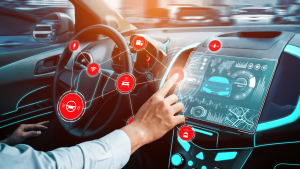
Different countries have different approaches to how they regulate self-driving cars.
1. United States
In the United States, self-driving car regulations are still being worked out. Right now, there are no nationwide rules for autonomous driving.
The federal government is trying to create guidelines for how self-driving cars should be tested, but these guidelines are not laws, so states can still make their own decisions. In the past, when there were accidents, it was clear who was at fault, but with self-driving cars, things are more complicated.
2. European Union
In the European Union, countries are working together to create common rules for self-driving cars. The European Commission has set up guidelines that allow countries to test autonomous cars on public roads, but the rules are still being developed.
The EU is focusing a lot on safety. They want to make sure that self-driving cars have enough backup systems to keep passengers safe if something goes wrong. The EU is also looking at how self-driving cars make decisions, especially in tough situations like accidents. They want to make sure that these decisions are made in a way that is fair and ethical.
3. China
China is moving fast with autonomous driving technology and has its own set of regulations. The government in China is pushing hard to be a world leader in self-driving cars. They have made it easier for car companies to test their vehicles, but they also have strict rules to make sure that cars are safe before they are allowed to drive on public roads.
One of China’s biggest focuses is improving infrastructure, such as roads and traffic management, to better support autonomous vehicles. They are also working to make sure that the data from self-driving cars is secure and that the cars are not hacked.
Challenges of Autonomous Driving Regulations
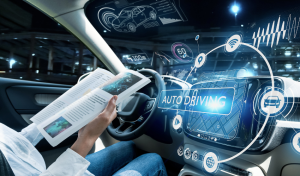
While the idea of self-driving cars is exciting, making rules for them is not easy. Here are some of the challenges governments face when creating autonomous driving regulations:
1. Safety
The most important issue is making sure self-driving cars are safe. Even though self-driving cars can be more careful than human drivers, there are still many unknowns. Governments need to make sure that these cars are safe before they are allowed on the road.
2. Who Is Responsible for Accidents?
One of the biggest questions is who is responsible when a self-driving car gets into an accident. If the car is driving itself, is the driver still responsible?
3. Data Security and Privacy
This data can be useful for improving the cars, but it also raises privacy concerns. Governments need to make sure that personal information is kept safe and that data is not misused.
4. Ethics of Decision Making
In some situations, a self-driving car may need to make a decision, such as whether to swerve to avoid an obstacle at the risk of hitting another vehicle. These situations can raise ethical questions about how the car should decide what to do. Governments and car manufacturers need to decide how these decisions should be made and who gets to decide what is right.
Future of Autonomous Driving Regulations
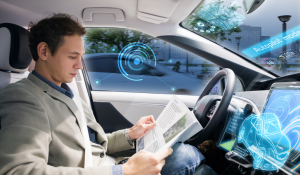
As technology continues to advance, the rules surrounding autonomous driving will also need to evolve. In the future, we may see a more unified set of regulations that apply to all countries, especially as self-driving cars become more common. Here are some things we might expect in the future:
1. Global Standards
As self-driving technology spreads around the world, there will likely be efforts to create global standards. This could make it easier for companies to test and deploy their vehicles internationally and for people to drive autonomous cars across borders without facing different rules in every country.
2. Improved Safety Protocols
Governments will continue to work on making sure that self-driving cars are as safe as possible. This could include better testing requirements, improved backup systems in case of failure, and stricter rules for car manufacturers.
3. New Insurance Models
Traditional car insurance is based on human drivers, but as cars become autonomous, new models will be needed. Governments and insurance companies will have to work together to figure out how to handle liability and compensation in the event of accidents involving autonomous vehicles.
4. More Ethical Considerations
As self-driving cars become more advanced, we will see more conversations around the ethical implications of decision-making in these vehicles. Governments may need to set guidelines for how cars should behave in emergency situations and who makes the final decisions.
Conclusion
Autonomous driving is changing the way we think about transportation, and regulations are an important part of ensuring that these cars are safe for everyone on the road. As more self-driving cars hit the streets, governments will continue to refine the rules that govern them. While there are still challenges to overcome, the future of autonomous driving looks bright, and these changes will shape the future of transportation for years to come.
By understanding the current and future regulations around autonomous driving, we can better prepare for the changes ahead and make sure that self-driving cars contribute to safer and more efficient roads.