
 Written By
  Reviewed By Siya Clark
Introduction
In sports, it’s no longer just about natural talent. Data analytics is changing the way elite athletes train, compete, and recover. With technology, athletes can track how they’re performing in real-time and make improvements based on that data. This can help them train more effectively, recover faster, and reduce the risk of injuries.
This article explains how data analytic techniques is driving better performance in sports. We’ll look at the main metrics athletes track, how data is used to improve long term performance, and how this real world technology will shape the future of sports.
What Is Data Analytics in Sports?

Data analytics in sports is the use of technology to track and measure an athlete’s performance. It involves collecting data on things like speed, strength, heart rate, and even mental focus. With the right tools, athletes can see how their bodies are working and what they need to improve.
Through the use of wearable devices, sensors, and software, data analysis techniques make it easier to measure performance in real time. This data helps athletes and coaches make smart decisions to improve training and avoid injuries.
Role of Analytics in Training and Competition
Analytics now shapes every stage of an athlete’s journey, from practice to performance. In the training program, data dashboards show real-time stats on workload, effort, and technique. Coaches adjust exercises on the spot to match each player’s needs. During competition, live feeds track movement heat maps, helping staff decide on tactical tweaks or substitutions. Analysts compare opponent patterns to craft game plans that exploit weaknesses. Even in injury rehab, data guides step-by-step progress, ensuring safe returns to full intensity. In this way, analytics weaves together preparation, strategy, and recovery into one cohesive process.
How Data Analytics Improves Athlete Performance
1. Tracking Physical Metrics
Athletes today use wearable devices to track important physical metrics. These include things like heart rate, calorie burn, and speed. By tracking these, athletes can see how hard they are working, how fast they are improving, and whether they are at risk of injury.
For example, a tracker can measure an athlete’s stride and movement patterns during a run or a workout. If the data shows that the athlete is putting too much stress on their body, coaches can adjust their training to avoid injury.
2. Improving Recovery Time
Recovery is just as important as training. Data analytics helps athletes know when they need rest and when they are ready to push harder. By tracking sleep patterns, muscle fatigue, and heart rate recovery, athletes can make sure they are not overtraining and are giving their bodies enough time to heal.
For example, if an athlete’s heart rate is still high the morning after a tough workout, they may need more rest. With data analytics, they can monitor these signs and adjust their training plan to recover faster.
3. Personalizing Training Plans
Not all athletes train the same way. With data analytics, training plans can be personalized for each athlete. By analyzing things like strength levels, speed, and endurance, coaches can create a custom training plan that targets specific areas for improvement.
For example, if a runner’s speed is lacking, coaches can use the data to design specific exercises that increase speed. By focusing on personal needs, athletes can improve much faster and more effectively.
4. Monitoring Mental Health
It’s not just physical metrics that matter in sports. Mental focus and stress levels are equally important. Athletes’ mental health can affect how well they perform. Data analytics can track stress levels and help athletes manage pressure during training and competition.
By using sensors that monitor heart rate variability and other signs of stress, coaches can help athletes improve their focus and performance under pressure. This kind of mental preparation is key in high-stress situations like competitions.
5. Preventing Injuries
One of the biggest benefits of data analytics is its ability to predict injuries before they happen. By monitoring an athlete’s physical and movement data, it’s possible to spot signs of potential injury early on.
For example, if an athlete’s stride length or balance starts to shift in a way that could lead to a sprain or strain, this can be detected through data analysis. Coaches can then change the athlete’s training or recommend rest before a serious injury occurs.
Sports Performance Insights from Data
Collecting data is just the first step. Turning it into sports performance insights requires the right tools. Dashboards display charts that update as soon as data arrives. Coaches set thresholds; alerts notify them when values go too high or low.
For example, if an athlete’s VO₂ Max dips suddenly, medical staff can check for illness. If sleep quality drops for several nights, rest days are added. Insights like these keep athletes in top form and reduce injury risks.
Real-Time Athlete Monitoring in Action

Imagine a soccer match. Each player wears a small GPS unit. As they run, the coach’s tablet shows distance covered, sprint counts, and heart rates. If a midfielder has sprinted 10% more than average by halftime, the coach can sub them out to prevent fatigue.
This real-time athlete monitoring ensures smart substitutions and better game-day decisions. It also fuels post-game reviews. Video clips tagged with high heart rates or burst speeds show where tactics succeeded or failed.
Tips for Coaches and Athletes

To make the most of data analytics, follow these simple tips:
- Start Small: Choose one or two key metrics at first. Learn their patterns before adding more.
- Use Consistent Tools: Stick to the same devices or apps so data stays comparable over time.
- Review Weekly: Hold a short weekly meeting to go over trends. Keep it under 15 minutes.
- Set Clear Goals: Define what success looks like. Is it faster sprints, higher jumps, or better sleep?
- Encourage Feedback: Ask athletes how they feel. Data plus personal input creates the best plan.
These steps help teams build trust in metrics and use data for smarter training.
Challenges of Using Data in Sport
Despite its promise, data analytics brings several hurdles for teams to overcome. High-quality sensors and software can be expensive, putting them out of reach for smaller programs. Collecting vast amounts of customer data is simple; finding the truly useful insights takes skilled analysts. Misreading numbers can lead to overtraining or misplaced focus. Athletes and coaches must also learn to trust what the data says, even when it conflicts with gut feelings. Privacy concerns arise when personal health metrics are stored or shared and valuable insights. Finally, ensuring consistent data quality—like syncing devices and calibrating sensors requires ongoing technical support.
The Future of Data Analytics in Sports
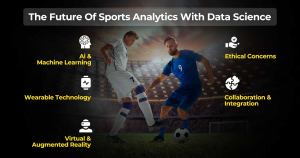
Looking ahead, analytics will become even more powerful and user-friendly. Artificial intelligence may spot subtle performance trends early, flagging risks or opportunities before humans notice. Wearable tech could shrink into smart fabrics or skin patches, delivering data all day without disruption. Virtual and augmented reality might simulate game environments for tactical training, with live feedback on decision speed and accuracy. Mental and emotional metrics such as stress levels or focus could integrate into dashboards, giving a fuller picture of athlete well-being. As costs drop and tools become more accessible, data-driven training will spread from elite teams to every level of sport.
The future of data analytics in sports looks incredibly promising. As technology continues to improve, athletes will have access to even more detailed and accurate data.
- Artificial Intelligence (AI) will be used to analyze large amounts of data quickly and suggest personalized training plans.
- Virtual Reality (VR) will allow athletes to practice in simulated environments that closely mimic real-life conditions.
- Wearables will continue to improve, becoming smaller, lighter, and more powerful, giving athletes real-time insights during training and competition.
With these advancements, data predictive analytics will continue to play a major role in helping athletes perform at their best. In the future, it may even be possible for athletes to receive real-time prescriptive analytics or feedback during a competitive advantages, allowing them to adjust their business strategy instantly.
Comparative Table: Key Data Metrics Used to Track Athlete Performance
| Metric | Purpose | How It’s Measured |
|---|---|---|
| Speed and Acceleration | Tracks running, cycling, or sprinting speed | Wearable devices, GPS trackers, motion sensors |
| Heart Rate | Measures cardiovascular health and exertion | Heart rate monitors, wearables |
| Muscle Fatigue | Monitors muscle strain and recovery | Muscle sensors, wearables |
| Sleep Patterns | Assesses recovery and rest quality | Sleep trackers, wearables |
| Mental Focus | Monitors stress and concentration levels | Wearables, heart rate variability monitors |
| Injury Prediction | Predicts risk of injuries based on movement | Motion sensors, AI-powered models |
This table shows how key metrics are tracked using data analytics to improve athlete performance and avoid injuries.
Conclusion: Data Analytics Is Changing the Game for Athletes
Data analytics is revolutionizing the way elite athletes train and compete. By tracking performance data, physical metrics, improving recovery, and personalizing training plans, data analytics helps athletes achieve their best performance. As technology advances, these tools will only become more powerful, giving athletes even more insight into how they can improve.
With data analytics, athletes can avoid injuries, optimize their training, and perform at their highest potential. The future of sports is data-driven, and this wide range technology will continue to push the limits of human performance.
Call to Action
Are you an athlete looking to improve your performance? Start using data analytics to track your progress and optimize your training. Visit our website to learn more about how data-driven insights can help you reach your goals and perform at your best.


