 Written By
 When it comes to protecting your puppy from potentially deadly diseases, early and effective vaccination is essential. Among the many vaccines recommended for young dogs, the Neopar vaccine for dogs plays a critical role in providing early protection against canine parvovirus (CPV), one of the most contagious and dangerous viruses that affect dogs. This article will explain what the Neopar vaccine is, why it’s important, how it works, when to administer it, and what to expect during and after vaccination.
What Is the Neopar Vaccine?
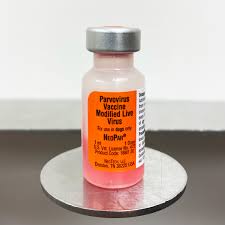
Neopar is a high-titer, modified live vaccine specifically designed to immunize puppies against canine parvovirus (CPV). It is manufactured by NeoTech, and it’s considered particularly effective for puppies that are at high risk of exposure to the virus—especially those in shelters, kennels, or breeding environments.
Unlike some combination vaccines, Neopar focuses solely on parvovirus. This specificity allows it to trigger a strong immune response early in a puppy’s life, even when maternal antibodies are still present (which can often interfere with the effectiveness of other vaccines).
Why Is the Neopar Vaccine Important?
Canine parvovirus is an aggressive, fast-acting virus that targets a dog’s gastrointestinal tract, leading to severe symptoms like:
-
Vomiting
-
Bloody diarrhea
-
Lethargy
-
Fever
-
Rapid dehydration
Without immediate veterinary care, the disease can be fatal—especially in puppies and unvaccinated dogs. Parvovirus is also extremely resilient; it can survive in the environment for months and spread easily through contaminated feces, surfaces, and even on shoes or hands.
The Neopar vaccine for Dogs provides early, targeted immunity to protect puppies during this vulnerable stage. Administering it early—sometimes as young as 3 weeks of age—can drastically reduce the risk of infection.
How the Neopar Vaccine Works
Neopar contains a modified live version of the parvovirus. This means it uses a weakened form of the virus that cannot cause the disease but still prompts the puppy’s immune system to produce antibodies. This immune response helps the puppy build resistance to real parvovirus exposure.
One of Neopar’s unique strengths is its ability to override maternal antibody interference. When puppies nurse, they receive maternal antibodies that provide passive immunity—but these same antibodies can neutralize many standard vaccines. Neopar, however, is formulated with a high enough antigen count to break through this barrier, ensuring the puppy’s body starts building its own protection.
Recommended Vaccination Schedule
The timing of the Neopar vaccine is crucial. According to veterinary guidelines, the first dose of Neopar can be administered as early as 3 weeks of age. The typical schedule is as follows:
-
Initial Dose: 3–4 weeks old
-
Booster Shots: Every 2–3 weeks until the puppy is 14–16 weeks old
-
Final Booster: Around 16 weeks of age
After the initial puppy series, a yearly booster may be recommended by your veterinarian based on the dog’s lifestyle and risk factors.
Always consult your veterinarian before starting a vaccination schedule, as they may tailor it based on your dog’s breed, health, and exposure risk.
Is Neopar Safe?
Yes, Neopar is generally considered safe and is widely used by breeders, shelters, and veterinarians across the United States. However, as with any vaccine, some puppies may experience mild side effects such as:
-
Soreness at the injection site
-
Mild fever
-
Lethargy for a day or two
Severe allergic reactions are rare but can include vomiting, facial swelling, or difficulty breathing. If your dog experiences any of these symptoms, seek veterinary attention immediately.
When Should Neopar Be Used?
Neopar is especially useful in environments where puppies are likely to be exposed to parvovirus. This includes:
-
Shelters and rescue organizations
-
Boarding facilities and kennels
-
Breeding facilities
-
Rural or high-density dog populations
It’s also beneficial for owners who bring their young puppies into public places like dog parks or pet stores, where exposure risk is higher.
If your puppy is staying at home with minimal outside contact, your veterinarian might recommend a more traditional vaccine protocol. Nonetheless, Neopar offers an extra level of protection during that high-risk period between birth and 16 weeks.
Neopar vs. 5-Way and 7-Way Vaccines
Pet owners often ask why they should use Neopar instead of a combination vaccine that includes multiple diseases (e.g., DHPP or 7-in-1 vaccines). The answer lies in timing and specificity.
Neopar is used to provide early and focused immunity against parvovirus before the puppy can receive combination shots. It’s not meant to replace these broader vaccines but to complement them by covering the window of vulnerability in early puppyhood.
Once a puppy reaches 6–8 weeks of age, veterinarians may transition to combination vaccines that include protection against distemper, adenovirus, parainfluenza, and other common pathogens.
Where to Get the Neopar Vaccine
Neopar is available through many veterinary clinics and can also be ordered by licensed breeders and shelters. If you’re a pet parent, your vet can tell you whether Neopar is appropriate based on your puppy’s health and living situation.
Some online platforms, such as puppadogs.com, provide detailed information and resources about dog vaccines, including Neopar, and may offer access to professional guidance or tools for breeders and pet owners.
Conclusion
The Neopar vaccine for dogs is a vital tool in the fight against canine parvovirus. Its unique ability to stimulate early immunity—even in the presence of maternal antibodies—makes it an excellent choice for puppies at high risk. While it doesn’t replace core combination vaccines, it serves a critical function in the earliest stages of life when puppies are most vulnerable.
Always consult with your veterinarian to determine the right vaccination protocol for your dog. With regular vaccination and preventive care, you can help ensure your puppy grows up healthy, strong, and safe from serious diseases like parvo.