 Written By
 When it comes to maintaining a pristine, healthy lawn, few tasks are as underrated—yet essential—as sharpening your lawn mower blades. A sharp blade doesn’t just cut better; it protects your grass from disease, improves mowing efficiency, and gives your yard a polished, professional appearance. Whether you’re a weekend warrior or a meticulous turf enthusiast, understanding the importance of lawn mower blade sharpening will help extend the life of your mower and enhance your lawn’s beauty year-round.
Why Lawn Mower Blade Sharpening Matters
Dull blades tear grass rather than cut it. Instead of a clean slice, a dull blade shreds the grass blades, leaving behind jagged, uneven edges. This not only gives your lawn a ragged appearance, but it also causes stress to the grass, increasing its vulnerability to diseases, pests, and drought. Sharp blades, on the other hand, ensure a clean cut that heals quickly and supports thicker, more vibrant turf.
Signs of a dull blade include:
-
Torn or frayed grass tips
-
Brown or whitish discoloration after mowing
-
Uneven cutting height
-
The mower pulling or vibrating more than usual
If you notice any of these, it’s probably time to inspect and sharpen your mower blades.
How Often Should You Sharpen Lawn Mower Blades?
The general rule of thumb is to sharpen your lawn mower blade after every 20 to 25 hours of mowing. For the average homeowner, this translates to sharpening once or twice per mowing season. However, frequency can vary based on:
-
Lawn size
-
Type of grass
-
Mowing conditions (e.g., rocky or sandy soil dulls blades faster)
-
Type of mower (rotary vs. reel)
If you’re mowing over sticks, acorns, or other debris, your blade may dull more quickly. Regular inspection is key. Even if your blade looks fine, it’s worth checking it at the beginning of each season and again midway through.
The Lawn Mower Blade Sharpening: DIY or Professional?
Sharpening your mower blade can be a simple DIY task if you’re handy with tools. Here’s a basic step-by-step guide:
-
Remove the Blade
Disconnect the spark plug wire for safety. Use a wrench to remove the bolt securing the blade. -
Secure the Blade
Clamp the blade in a vice or a secure workbench. -
Sharpen the Edge
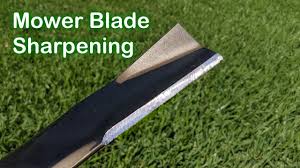
Use a metal file, bench grinder, or angle grinder to follow the existing angle of the blade edge (usually around 30 degrees). Make several even strokes from the center outward. -
Balance the Blade
After sharpening, make sure the blade is balanced. An unbalanced blade can damage your mower’s engine. Use a blade balancer or hang it on a nail to ensure both sides are even. -
Reinstall
Once sharpened and balanced, reinstall the blade securely and reconnect the spark plug wire.
Safety Tip: Always wear gloves and eye protection while sharpening.
For those who prefer a hassle-free experience, professional sharpening services offer precision and peace of mind. Experts use specialized equipment to restore blades to factory sharpness, ensuring optimal performance. Many landscaping companies and small engine repair shops provide this service, often at affordable rates ranging from $10 to $20 per blade.
When to Replace Instead of Sharpen
Not all blades can be saved. If your mower blade is chipped, cracked, bent, or worn too thin, it’s time for a replacement. Attempting to sharpen a damaged blade can be dangerous and ineffective. Most blades are relatively inexpensive, so it’s best not to take chances.
Benefits of Regular Lawn Mower Blade Sharpening
1. Healthier Lawn
Sharp blades reduce stress on your grass, minimizing disease and promoting even growth.
2. Improved Efficiency
A sharp blade cuts cleaner and faster, reducing the time and fuel needed to mow.
3. Longer Mower Life
Balanced and sharpened blades put less strain on the motor and drive system, extending the life of your equipment.
4. Professional Appearance
If you care about curb appeal, clean-cut grass simply looks better. Your yard will appear neater, more vibrant, and better cared for.
Choosing the Right Blade for Your Mower
There are different types of lawn mower blades—standard, mulching, and high-lift, among others. It’s important to select a blade compatible with your specific mower and lawn care goals. Always consult your owner’s manual or a lawn care professional if you’re unsure which blade is right for you.
Maintenance Tips Beyond Sharpening
While sharpening is crucial, it’s only one piece of the mower maintenance puzzle. To keep your equipment running in peak condition:
-
Clean the deck after each use to prevent grass buildup.
-
Change the oil every season or after 50 hours of use.
-
Replace the air filter annually.
-
Check and replace spark plugs as needed.
-
Store your mower in a dry, covered location during the off-season.
Proper maintenance maximizes mower performance and ensures consistent lawn care results.
Professional Help You Can Trust
If you’re in need of expert lawn mower maintenance or blade sharpening services, Emerald Lawn and Turf provides trusted, professional-grade care. From precision sharpening to seasonal tune-ups, their team ensures your equipment is always ready to deliver a clean, healthy cut.
Conclusion
Lawn mower blade sharpening is a simple but impactful task that can transform the look and health of your lawn. Dull blades may seem like a minor inconvenience, but over time they can lead to significant turf damage and costly repairs. By staying ahead with routine sharpening—whether you do it yourself or hire a professional—you protect your lawn, your equipment, and your valuable time.
Investing a little effort in blade care today pays off with a greener, healthier lawn tomorrow thus making your home more Eco-friendly. Don’t let a dull blade drag your yard down—keep it sharp, and your grass will thank you.