

 Written By
 LThere’s a unique kind of satisfaction that comes from landing a perfectly timed jump in a rhythm-based game. One precise tap. One smooth arc. One clean landing. It feels effortless, almost like it was meant to happen. That feeling sits at the heart of Geometry Dash—a fast-paced game where simple visuals, tight timing, and music-driven movement create an addictive experience.
At first glance, the game looks basic. However, once you start playing, you quickly realize it’s all about timing, rhythm, and anticipation. Whether you’re new or returning after a break, the real joy comes from learning how to feel each jump. You begin to read the level ahead, sync with the beat, and slowly turn chaos into smooth, controlled movement. In this guide, you’ll learn how Geometry Dash works, why its gameplay feels so engaging, and how you can improve without feeling overwhelmed.
Gameplay
At its core, Geometry Dash keeps things simple. Your character moves forward automatically. You don’t control direction. Instead, you rely on one main action—jumping. Yet, that one action creates endless possibilities.
One Input, Endless Possibilities
A single tap can produce different outcomes. A quick tap creates a short jump. Holding longer can stretch your movement in certain modes. As you progress, portals introduce new mechanics that change how your jumps behave.
Even though you’re still pressing one button, the experience constantly evolves. Timing becomes everything. Small differences in input create completely different results.
Rhythm Shapes the Experience
The best levels don’t just test your reflexes—they teach your brain to recognize patterns. Obstacles appear in sequences: spikes, gaps, platforms, and slopes arranged with intention.
At first, everything feels random. However, after a few attempts, patterns start to emerge. You begin to anticipate what comes next. Instead of reacting in panic, you start planning your jumps. That shift makes the gameplay feel controlled and rewarding.
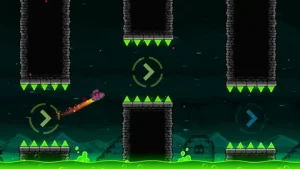
Music Drives Your Movement
Sound plays a huge role in Geometry Dash. The music isn’t just background noise—it guides your timing. Beats often align with obstacles. Transitions match musical changes. When you start syncing your taps with the rhythm, everything clicks. You stop guessing distances and start trusting the beat.
In that moment, the game feels less like a challenge and more like a performance.
Repetition That Actually Feels Meaningful
Yes, you will fail. Often. But each mistake teaches you something. earn where obstacles sit. You understand timing windows. You notice patterns you missed before. Gradually, the level becomes clearer. What once felt impossible starts to feel manageable. That transformation—from confusion to clarity—is one of the most satisfying parts of the game.
Tips to Improve
Getting better at Geometry Dash doesn’t require super-fast reflexes. Instead, it requires patience, awareness, and smart practice. Here are practical tips to help you improve while keeping the experience fun.
1. Treat Early Runs as Practice
Don’t aim for perfection right away. Focus on learning the level. Watch how obstacles are placed. Notice speed changes. Pay attention to tricky sections. Each attempt gives you more information. Once you understand the layout, your jumps become more intentional.
2. Focus on Landing, Not Just Timing
Many players think only about when to jump. However, where you land matters just as much. Jump too early, and you land in the wrong spot. Jump too late, and you hit an obstacle. Instead, think about your arc. Ask yourself, “Where will I land?” Small adjustments can completely change your outcome.
3. Let the Music Guide You
If a section feels chaotic, rely on the music. Find a steady rhythm—like a drum beat or repeating melody. Sync your taps with it. Even when visuals become overwhelming, sound can keep your timing consistent. This simple shift can dramatically improve your performance.
4. Break Levels into Sections
Don’t think about finishing the entire level at once. Instead, divide it into smaller parts.
Focus on reaching the next checkpoint-like moment:
- A portal
- A tricky spike section
- A fast-moving segment
These mini-goals make progress feel achievable. Over time, you’ll connect these sections naturally.
5. Stay Relaxed While Playing
Tension leads to mistakes. When you get close to beating a level, it’s easy to panic. However, tense hands cause rushed or repeated taps. If you notice frustration building, pause for a moment. Reset your focus. One calm attempt often works better than multiple rushed ones.
6. Learn Common Patterns
Many obstacles follow familiar designs. Recognizing them saves time and effort.
Common patterns include:
- Single spikes that punish late jumps
- Triple spikes that require precise timing
- Fake-safe platforms that trick you
- Sudden speed changes that disrupt rhythm
Once you understand these patterns, you react faster and more confidently.
7. Match Levels to Your Energy
Your performance depends on your mood and focus. If you feel tired, play easier levels. Enjoy the flow. If you feel energized, challenge yourself with harder stages. The game feels best when it matches your mindset. Keep it enjoyable, not exhausting.
The “Perfect Jump” Feels Good
The magic of Geometry Dash lies in its simplicity. It takes one basic mechanic—jumping—and turns it into a deeply engaging experience.
The real reward isn’t just finishing a level. It’s the moment everything aligns:
- The beat matches your timing
- The spacing feels natural
- Your movement flows smoothly
In that moment, the game feels effortless.
Conclusion
An “interesting geometry jump” goes beyond clearing obstacles. It represents control, rhythm, and confidence coming together. Geometry Dash captures this perfectly through simple controls and clever design. It transforms repetition into learning and frustration into progress.
If you approach the game with curiosity, you’ll improve faster. Scout levels first. Trust the music. Focus on small wins. Eventually, difficult sections will stop feeling intimidating. Instead, they’ll feel smooth and predictable. And once you reach that point, every well-timed jump becomes a satisfying achievement worth chasing again.


