

 Written By
 Your natural teeth play an important role in your daily life. They help you chew food, speak clearly, and maintain a balanced bite. Therefore, protecting them should remain a priority throughout every stage of life. When infection or damage reaches the inside of a tooth, early treatment can often prevent the problem from becoming more serious.
A tooth infection does not always cause severe symptoms at first. However, an untreated problem can eventually affect the surrounding tissues and make treatment more complicated. Seeking care from an Expert Dental professional can help identify the problem and determine the right treatment before the condition worsens.
Endodontic care focuses on problems that affect the inner part of the tooth. With modern techniques, dentists can often treat damaged tissue while preserving the natural tooth. This approach can help maintain normal chewing and reduce the need for tooth replacement.
What Does Endodontic Treatment Involve?
Endodontics focuses on diagnosing and treating problems that affect the dental pulp and tissues inside the tooth. The pulp contains nerves, blood vessels, and connective tissue. It helps the tooth develop during its early years. Once a tooth reaches full development, it can continue to function without the pulp. Therefore, removing infected pulp does not mean you must lose the tooth.
Root canal therapy represents one of the most common endodontic treatments. During the procedure, the dentist removes infected or damaged tissue from inside the tooth. Next, the dentist cleans and disinfects the root canals before sealing them. In many cases, the dentist may recommend a crown after treatment. A crown can strengthen the tooth and help restore its shape and function.
What Causes Damage Inside a Tooth?
Several conditions can allow bacteria to reach the inner part of a tooth. Deep decay remains one of the most common causes. When cavities continue to develop without treatment, they can eventually reach the pulp. Other causes include:
- Large or untreated cavities
- Cracked or fractured teeth
- Injuries caused by accidents or sports
- Repeated dental work on the same tooth
- Severe tooth wear from grinding or clenching
- Damage caused by trauma
Sometimes, an infection develops without obvious warning signs. That is why regular dental examinations matter. Your dentist can identify changes that you might not notice at home.
Signs That May Indicate a Problem
Your body can provide several warning signs when a tooth develops an infection or internal damage. Noticing these symptoms can assist you in getting care more quickly. Common signs include:
- Persistent or intense tooth pain
- Reactivity to heat or cold that persists after contact
- Pain when biting or chewing
- Swollen or tender gums
- Darkening or discoloration of a tooth
- A tiny protrusion or pimple-like spot on the gums.
You do not need to wait until the pain becomes severe before making an appointment. Even mild or occasional symptoms deserve attention when they continue. Early evaluation can help your dentist understand the cause and recommend appropriate treatment.
Why Saving Your Natural Tooth Matters
Dentists generally aim to preserve natural teeth whenever possible. Your original tooth can provide excellent function and help maintain the natural structure of your mouth. Endodontic treatment can offer several benefits. It can remove infected tissue, relieve discomfort, and allow you to keep the affected tooth.
Preserving a natural tooth can also help prevent neighboring teeth from shifting. It supports proper bite alignment and may reduce the need for more extensive restorative treatment.
When you remove a tooth, you may eventually need a bridge, implant, or another replacement option. Therefore, saving the natural tooth can sometimes provide a simpler long-term solution. An Expert Dental team can assess the condition of the tooth and explain whether endodontic treatment offers a suitable way to preserve it.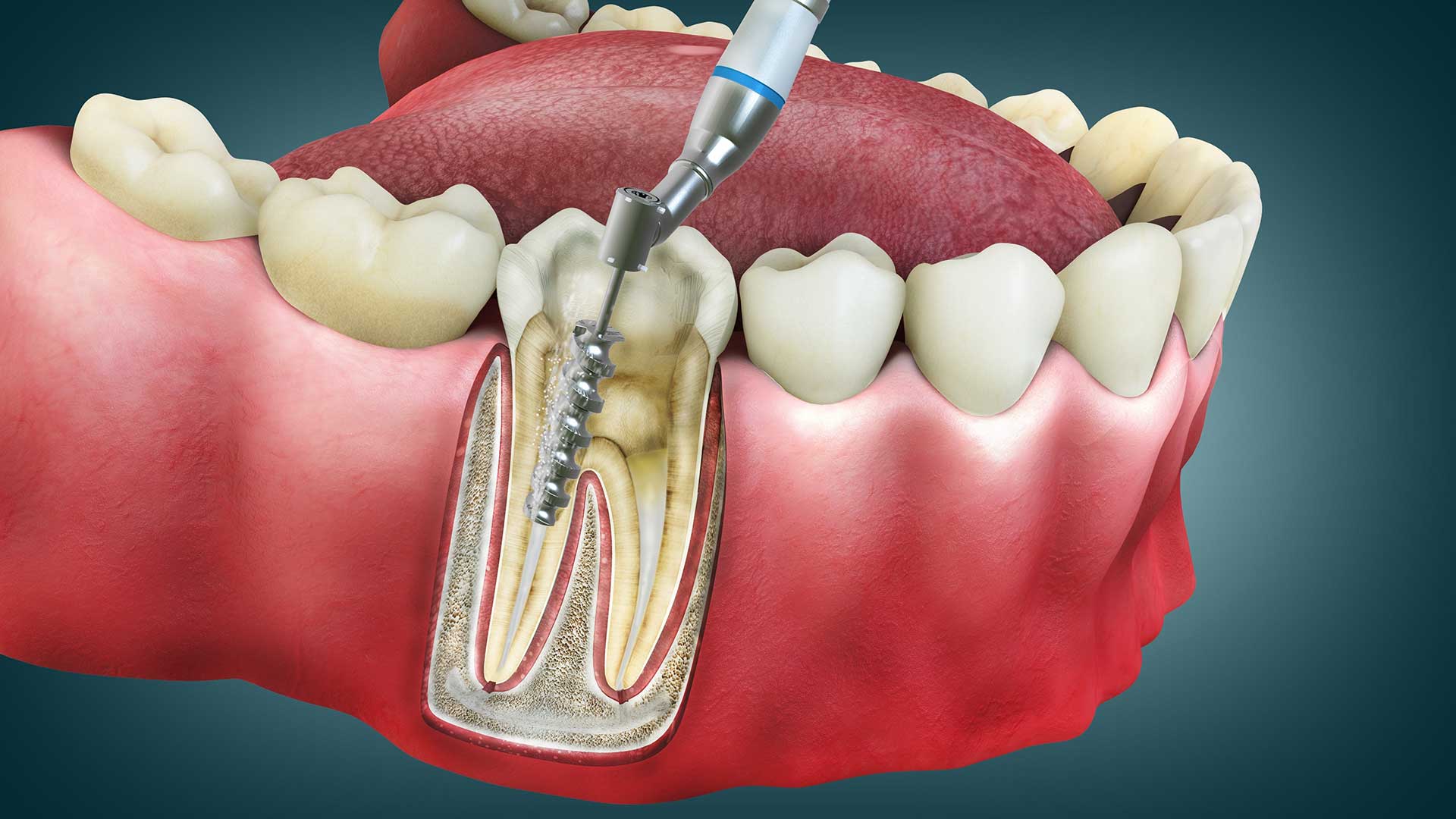
What Happens During a Root Canal?
The term “root canal” can induce anxiety in certain patients. However, modern dentistry has made the procedure much more comfortable than many people expect. The dentist begins by using local anesthesia to numb the treatment area. This helps keep you comfortable during the procedure. Next, the dentist creates a small opening in the tooth and removes the infected or damaged pulp. The dentist then cleans and disinfects the root canals carefully. After cleaning, the dentist seals the canals with a specialized material. This step helps prevent bacteria from entering the treated area again. Your dentist might suggest a crown afterward, depending on the tooth’s condition. The crown can restore strength and protect the tooth during normal chewing.
What Should You Expect After Treatment?
Some tenderness can occur after endodontic treatment. However, most patients find that the discomfort improves within a few days. Your dentist may provide specific aftercare instructions. Following those recommendations can support a smoother recovery.
You should brush and floss regularly but take care around the treated area if it feels sensitive. Avoid chewing hard or sticky foods on the treated tooth until your dentist confirms that you can use it normally.
If your dentist recommends medication, follow the instructions carefully. You should also attend any follow-up appointments so the dentist can check your recovery. Once the tooth receives its final restoration, continue your regular oral hygiene routine. A treated tooth still needs proper care to remain healthy.
How Can You Reduce the Risk of Endodontic Problems?
You cannot prevent every dental problem, but good habits can lower your risk. Daily oral care remains one of the simplest ways to protect your teeth. Brush twice a day with fluoride toothpaste. Floss once a day to clean areas that your toothbrush cannot reach. Also, limit frequent consumption of sugary foods and drinks. If you participate in contact sports, consider wearing a properly fitted mouthguard. It can help protect your teeth from injuries.
Regular dental examinations also matter. Your dentist can identify cavities, cracks, and other concerns before they develop into larger problems. Most importantly, do not ignore dental pain. Treating a small cavity early can help prevent deeper infection and more complicated treatment later.
How to Choose the Right Dental Care
When you experience ongoing pain or sensitivity, choose a dental practice that can evaluate the problem thoroughly. Look for a team that explains your treatment options clearly and answers your questions.
If you need endodontic care, ask about the recommended procedure, expected recovery, and restoration options. Understanding the process can help you feel more comfortable about your treatment.
An Expert Dental professional can also help determine whether root canal therapy or another treatment makes sense for your specific situation. If you live in Whitby and need dental care, Pringle Creek Dental provides personalized services focused on maintaining oral health and preserving natural teeth. Patients experiencing persistent discomfort should seek professional evaluation rather than waiting for symptoms to disappear.
Final Thoughts
Protecting your natural teeth requires consistent care and timely attention. When infection reaches the inner part of a tooth, endodontic treatment can often remove the problem while allowing you to keep your natural tooth. An Expert Dental team can evaluate your symptoms, explain your options, and help you choose an appropriate treatment plan. Do not ignore persistent pain or sensitivity. Early dental care can protect your smile, support comfortable chewing, and help you maintain better oral health for years to come.


