

 Written By
 Finishing a challenging workout can leave you feeling accomplished. However, the work does not end when you put your weights down or finish your final lap. Your body still needs time and proper care to recover. After intense exercise, your muscles may feel tight, tired, or tender. You may notice these sensations after strength training, running, cycling, high-intensity workouts, or any activity that pushes your body beyond its usual routine.
Rest, hydration, nutritious food, and quality sleep form the foundation of recovery. However, many active people also include Sports Massage in their wellness routine. This approach can help manage post-workout soreness, reduce feelings of stiffness, and support comfortable movement. But how much can massage really help? More importantly, what does current research tell us?
Understanding Muscle Soreness After Exercise
Hard exercise creates temporary stress for your muscles and surrounding tissues. This process plays an important role in training and physical adaptation. After an unfamiliar or demanding workout, you may experience delayed-onset muscle soreness, commonly called DOMS. Unlike the burning sensation you may notice during exercise, DOMS usually appears later.
The American College of Sports Medicine explains that DOMS can start around 12 to 24 hours after exercise. It often becomes more noticeable between 24 and 72 hours. Many people still believe that lactic acid causes this soreness, but that explanation does not accurately describe DOMS. Your body processes lactate relatively quickly after exercise.
Therefore, massage does not need to “flush out” trapped lactic acid to support recovery. Instead, massage may help with soreness, muscle comfort, flexibility, and the feeling of recovery after demanding physical activity.
Massage May Ease Post-Workout Soreness
One of the main reasons active people seek massage after exercise involves muscle soreness. Research supports this use. A systematic review and meta-analysis published in BMJ Open Sport & Exercise Medicine examined 29 studies involving more than 1,000 participants. The researchers found that massage produced a small but significant improvement in delayed-onset muscle soreness.
Another review that focused on strenuous exercise also found lower soreness ratings after massage at 24, 48, and 72 hours. These findings do not mean massage instantly repairs tired muscles. Instead, massage may make the recovery period feel more comfortable. That benefit can matter when you follow a demanding training schedule. Less discomfort may make everyday movement easier while your body continues its normal recovery process.
It May Support Flexibility and Easier Movement
Intense training can leave certain muscle groups feeling restricted. Runners may notice tight calves or hamstrings. Lifters may feel tension around their shoulders, chest, or back. A massage therapist can focus on the areas that received the most stress during your workout. This targeted approach can make the session more relevant to your training needs.
Research suggests that massage may produce a modest improvement in flexibility. However, the results can vary from person to person. The goal should not involve forcing an exhausted muscle into a greater range of motion. Instead, appropriate massage techniques can help you feel less restricted and move more comfortably.
Massage Can Improve the Feeling of Recovery
Recovery involves more than physical processes. Your perception of fatigue and soreness also matters. When your muscles feel extremely stiff, you may struggle to feel ready for your next training session. Massage may help reduce perceived fatigue and soreness, which can make recovery feel easier. A large systematic review that compared several recovery methods found massage particularly useful for reducing DOMS and perceived fatigue. As a result, recreational athletes can benefit just as much from this approach as competitive athletes. Runners, cyclists, gym-goers, swimmers, hikers, and fitness enthusiasts may all experience temporary muscle soreness after demanding activity. The goal remains simple: help your body feel more comfortable while it follows its natural recovery process.
Treatment Can Match Your Training
Not every workout places the same demands on your body. Therefore, your recovery strategy should not always follow the same pattern. A trained therapist can ask about your recent workouts, current soreness, training schedule, previous injuries, and recovery goals. This information helps them choose appropriate techniques and pressure.
For example, a runner may need attention around the calves, thighs, and hamstrings. Meanwhile, someone who completed a heavy upper-body workout may benefit from focused work around the shoulders, chest, and upper back. More pressure does not automatically produce better results. A skilled therapist should adjust the intensity according to your comfort and the condition of your muscles.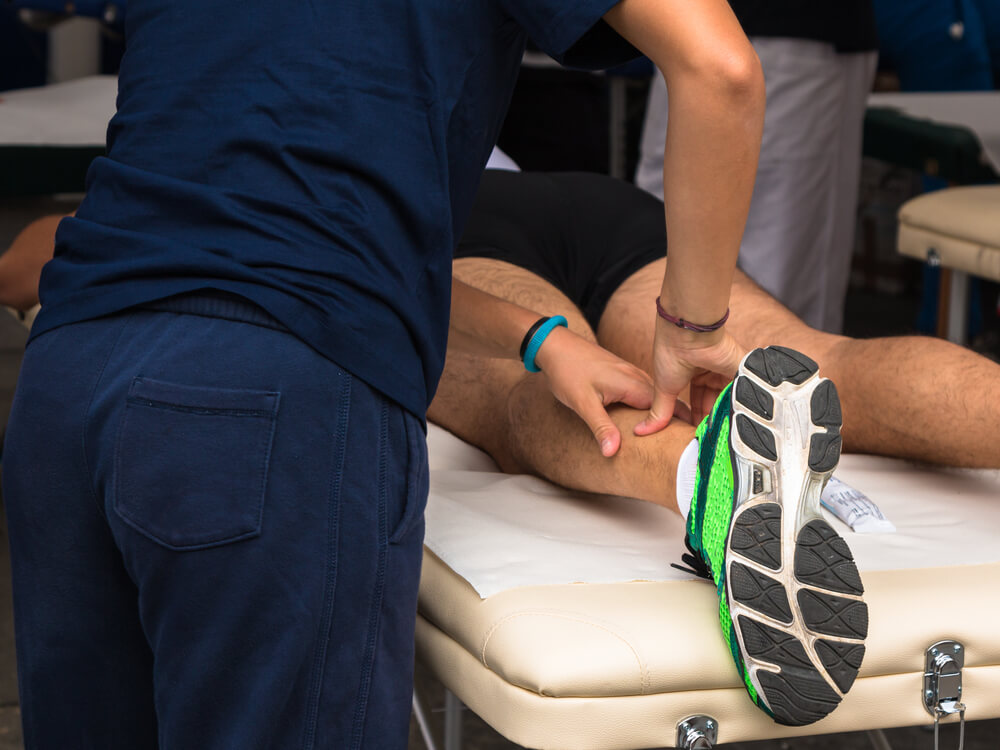
Sports Massage vs. Deep Tissue Massage
People often use the terms massage and deep tissue massage interchangeably. However, they describe different things. Deep tissue massage refers mainly to techniques that target deeper layers of muscle and connective tissue. It often involves sustained or firm pressure. sports focus more on the needs of physically active people.
The therapist considers your sport, training routine, muscle demands, and recovery goals. Therefore, a sports-focused session does not always require intense pressure. In fact, extremely firm treatment may feel uncomfortable when your muscles already feel tender after exercise. A good therapist chooses techniques based on your current condition rather than assuming that more discomfort means better results.
When Should You Schedule a Massage?
There is no universal timing that works for everyone. After a demanding event, a lighter session may suit someone who simply wants to relax and encourage comfortable movement. Later, when DOMS develops, a therapist may focus more closely on areas that still feel stiff or uncomfortable. DOMS often becomes most noticeable between 24 and 72 hours after unfamiliar or strenuous exercise.
Your workout intensity, training schedule, and individual sensitivity can all influence the ideal timing. However, do not treat serious pain like ordinary soreness. Sharp pain, significant swelling, bruising, severe weakness, or difficulty moving normally may indicate a problem that requires professional medical assessment.
Can Active People Benefit Without Being Athletes?
Absolutely. You do not need to compete professionally to experience muscle soreness or physical fatigue. Anyone who exercises regularly can place significant demands on their body. That includes people who enjoy running, cycling, swimming, hiking, strength training, fitness classes, or physically demanding hobbies.
For this reason, Sports Massage can fit into many different lifestyles. The most useful treatment does not necessarily involve the deepest pressure or the longest session. Instead, it should match your activity, current symptoms, and recovery goals.
Does Massage Directly Improve Athletic Performance?
This question requires realistic expectations. Massage may reduce soreness and provide a modest improvement in flexibility. However, research does not strongly support the idea that massage alone increases strength, sprint speed, jumping ability, or endurance.
Therefore, massage works best as a recovery and comfort strategy rather than a shortcut to improved athletic performance. Your training program still drives fitness gains. Adequate sleep, proper nutrition, hydration, rest, and progressive exercise remain essential.
Making Massage Part of a Recovery Routine
Massage works best when you combine it with healthy recovery habits. Start with the basics. Give your body enough rest between demanding workouts. Eat enough nutritious food to support your training. Drink sufficient fluids and make quality sleep a priority. Then, consider massage as an additional recovery tool. If you live a busy lifestyle, a professional massage Abu Dhabi home service may also offer greater convenience. You can receive treatment without spending additional time traveling after a demanding workout. However, convenience should never replace quality. Always consider the therapist’s qualifications, hygiene standards, communication, and ability to select appropriate techniques.
When Should You Seek Medical Advice?
Normal DOMS generally improves within several days. However, some symptoms deserve greater attention. Seek appropriate medical advice if you experience severe or sharp pain, substantial swelling, significant bruising, unusual weakness, or difficulty using the affected body part.
Massage should not replace medical assessment when you suspect an injury. A qualified therapist should also recognize when your symptoms require attention from a physiotherapist, sports medicine professional, or another healthcare provider.
Common Recovery Myths
Several myths continue to surround post-workout massage. First, massage does not need to remove trapped lactic acid because lactate does not cause DOMS. Second, an effective massage does not need to hurt.
Excessive pressure can simply create more discomfort. Finally, no single massage can guarantee injury prevention or dramatically improve athletic performance. A more realistic view focuses on comfort, soreness management, flexibility, and overall recovery support.
Final Thoughts
Sports Massage can become a useful part of a balanced recovery routine. It may help active people manage post-workout soreness, reduce feelings of stiffness, and move more comfortably. The research offers the strongest support for reducing DOMS and perceived fatigue. Evidence for direct improvements in strength, speed, or endurance remains limited.
Therefore, approach massage with realistic expectations. Choose a qualified professional, explain your recent training and current symptoms, and make sure the therapist adjusts the treatment to your needs. Most importantly, remember that recovery involves more than one treatment. Sleep, nutrition, hydration, rest, and appropriate training remain the foundation. When you combine those habits with massage, you can create a practical recovery routine that helps you stay comfortable and consistent with your fitness goals.


