

 Written By
 Good nutrition tips plays an important role in how you feel and function each day. Your food choices can affect your energy, focus, mood, and overall health. However, healthy eating does not require expensive ingredients or complicated meal plans. You can improve your diet by making small changes that fit naturally into your everyday routine.
Many people approach nutrition with strict rules. They may remove entire food groups or follow short-term diets. Although these plans can seem appealing, they often feel difficult to maintain. Instead, focus on balanced meals, sensible portions, variety, and consistency. These habits can help you create a practical approach to eating well.
Build Balanced Meals
A balanced meal gives your body a mix of nutrients. Try to include vegetables or fruit, a source of protein, a carbohydrate-rich food, and a source of healthy fat. This combination can help create satisfying meals and provide a range of essential nutrients.
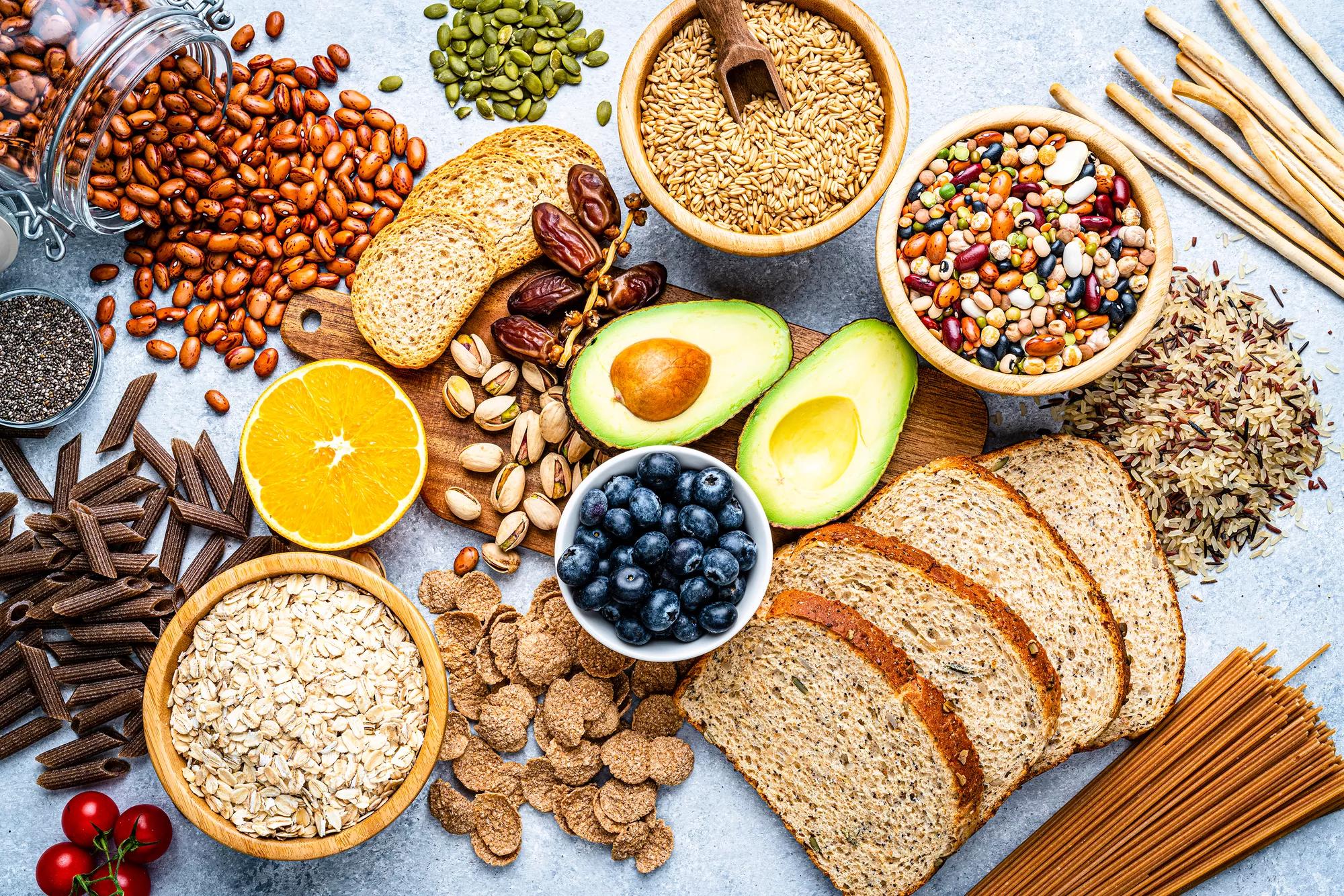
For example, you could pair grilled chicken with brown rice and roasted vegetables. You might also enjoy beans with whole-grain bread, avocado, and a fresh salad. Choose foods that match your preferences and dietary needs.
You do not need to create a perfect plate at every meal. Instead, look at your overall eating pattern. If one meal feels less balanced, make a more nutritious choice at the next one.
Eat More Fruits and Vegetables
Fruits and vegetables provide vitamins, minerals, fiber, and other beneficial compounds. Therefore, try to include them throughout your day. Different colors often provide different nutrients, so variety can improve your overall food choices. Add berries or a banana to breakfast. Keep chopped vegetables ready for snacks. Include a salad or cooked vegetables with lunch and dinner.
Fresh produce works well, but frozen and canned options can also offer convenience. When choosing canned vegetables or fruit, check the label for added sodium or sugar. A practical approach can make it easier to eat more produce consistently.
Choose Nutritious Protein Sources
Protein supports muscles and many other functions in your body. Include protein-rich foods in your meals and snacks according to your dietary preferences.
You can choose eggs, fish, poultry, yogurt, milk, beans, lentils, tofu, nuts, and seeds. Plant-based options can provide valuable nutrition while adding variety to your meals.
Spread your protein intake throughout the day rather than relying on one large serving. For example, add yogurt to breakfast, beans to lunch, and fish or tofu to dinner. This approach can help you create balanced meals without making food preparation complicated by nutrition tips.
Select High-Fiber Foods
Fiber supports digestive health and can help you feel satisfied after eating. You can find fiber in vegetables, fruits, whole grains, beans, lentils, nuts, and seeds.
Choose oatmeal instead of highly refined breakfast options. Try whole-grain bread or brown rice with meals. Add beans or lentils to soups, salads, and other dishes.
Increase fiber gradually if your current diet contains very little. Also, drink enough fluids as you increase fiber intake. These simple steps can help your body adjust more comfortably.
Drink Enough Water
Hydration supports many normal body functions. Yet busy schedules can make it easy to forget about drinking water. Keep a bottle nearby so you can drink regularly throughout the day.
Water should serve as your main beverage whenever possible. You can add lemon, lime, mint, or fruit if you prefer more flavor. Unsweetened tea can also provide variety.
Your fluid needs can vary based on factors such as physical activity, weather, diet, and individual health needs. Therefore, pay attention to thirst and drink more when your body requires additional fluids.
Watch Portion Sizes
Healthy foods can still contribute more calories than you need when you eat very large portions. Therefore, pay attention to serving sizes and your body’s hunger signals.
Eat slowly and give yourself time to notice when you feel satisfied. Use smaller plates or bowls if they help you manage portions without feeling restricted.
You do not need to measure every food you eat. Instead, learn to recognize reasonable portions over time. This approach can make healthy eating feel more natural and less stressful.
Limit Highly Processed Foods
Processed foods can offer convenience, but some options contain high amounts of added sugar, sodium, saturated fat, or refined carbohydrates. Therefore, try to make whole or minimally processed foods the foundation of most meals.
Choose fresh or frozen vegetables, fruits, whole grains, beans, eggs, fish, and other nutritious options more often. You can still enjoy packaged snacks and favorite treats. The goal involves balance rather than complete restriction. Read nutrition labels when you shop. Compare products and choose options that better match your personal nutrition needs.
Plan Meals Ahead
Meal planning can make nutritious choices easier during busy days. When you prepare food in advance, you reduce the chance of reaching for whatever option seems fastest when hunger appears.
Create a simple meal plan for the week. Make a shopping list and choose recipes that use ingredients you already enjoy. You can also prepare vegetables, grains, or protein sources ahead of time. You do not need to cook every meal in advance. Even preparing a few ingredients can save time during the week.
Eat Mindfully
Mindful eating encourages you to pay attention while you eat. Instead of rushing through meals, slow down and notice the taste, texture, smell, and appearance of your food. Try to eat without constantly checking your phone or watching television. Put your fork down between bites and give yourself time to enjoy the meal.
Also, pay attention to hunger and fullness. Sometimes people eat because they feel bored, stressed, or distracted. Recognizing these patterns can help you understand your eating habits more clearly by nutrition tips.
Be Careful With Added Sugar and Sodium
Many packaged foods contain added sugar or sodium. Consuming too much of either can make it harder to maintain a balanced diet. Therefore, check food labels and compare different products when possible.
Choose unsweetened or lower-sugar options for everyday foods. Use herbs, spices, garlic, lemon, and other flavorful ingredients instead of relying heavily on salt.
You do not need to eliminate sugar or salt completely. Instead, use them thoughtfully and focus on nutritious foods most of the time.
Avoid Extreme Diet Rules
Extreme diets can make eating feel stressful. Strict restrictions may also create an unhealthy relationship with food. Instead, build an approach that allows flexibility.
Enjoy your favorite foods occasionally without guilt. If you eat something less nutritious, do not assume that you ruined your entire diet. Simply return to your normal eating habits at your next meal. Consistency matters more than perfection. A flexible approach can help you maintain healthy choices for the long term.
Create Sustainable Nutrition Habits
Nutrition work best when they fit your lifestyle. You do not need to make dramatic changes overnight. Start with one or two habits and practice them consistently.
You could add another serving of vegetables each day. You might also replace sugary drinks with water or prepare one extra homemade meal each week. Once these habits feel comfortable, introduce another small improvement. Most importantly, choose foods that you enjoy. Healthy eating should provide nourishment while still allowing you to enjoy your meals.
Final Thoughts
Nutrition tips can help you make smarter food choices without turning meals into a complicated task. Focus on balance, variety, portion awareness, hydration, and nutritious ingredients. At the same time, give yourself flexibility and avoid chasing perfection.
Start with small changes that fit your everyday routine. Plan meals, when possible, eat mindfully, include a variety of foods, and listen to your body’s hunger and fullness signals. Over time, these simple habits can help you build a practical eating pattern that supports your energy, health, and overall well-being.


