

 Written By
 The world changes faster today than ever before. Leaders face complex challenges that cross borders. They must address climate change, technological growth, and economic shifts. Furthermore, every country needs robust strategies to protect its citizens. This article explores how leaders shape decisions that impact millions of lives by global government.
Understanding the Role of Policy Makers
Policy makers sit at the center of modern governance. They draft laws and design programs. Moreover, they listen to public concerns before enacting rules. Citizens expect transparency and fairness. Therefore, leaders strive to balance public safety with personal freedom. Good governance requires constant adaptation. Governments cannot rely on outdated approaches anymore. Instead, they must innovate to solve modern crises.
The Intersection of Technology and Governance
Technology reshapes our daily routines completely. It alters how we work, communicate, and travel. Consequently, leaders must regulate emerging innovations. Artificial intelligence and data privacy demand urgent attention.
Lawmakers design safeguards to protect user data. However, they also want to encourage digital growth. Finding this delicate balance proves difficult. Many regions struggle to keep pace with rapid tech advancements. Therefore, cooperation between nations becomes essential.
Economic Strategies in a Globalized Market
Money flows across the planet in seconds. Trade agreements dictate how businesses operate internationally. A single policy shift in one nation ripples globally. Leaders negotiate treaties to stabilize markets.
They aim to reduce inflation and boost employment. Furthermore, taxation rules undergo frequent revisions. Governments want corporations to pay fair shares. At the same time, they want to attract foreign investments. This dual focus defines modern fiscal strategies.
Environmental Challenges and Sustainable Rules
Our planet faces severe ecological threats. Carbon emissions rise despite international warnings. Therefore, a global government initiative often targets green energy adoption. Leaders sign climate accords to reduce environmental damage. They subsidize solar and wind power projects.
Additionally, they penalize heavy polluters with strict fines. Citizens demand cleaner air and safer water resources. Consequently, environmental laws grow stricter every year. Sustainability is no longer optional. It forms the core of modern legislative agendas.
Public Health and Universal Care Systems
Health crises remind us of our shared vulnerability. Disease outbreaks cross national borders without warning. Governments must coordinate responses to protect populations. Healthcare policies dictate resource distribution during emergencies.
Leaders fund medical research to discover new treatments. Furthermore, they build stronger hospital networks. Universal healthcare remains a major goal for many states. Ensuring access for low-income families reduces social inequality. Public health policies directly influence national stability.
Education Reform for the Digital Era
Schools prepare the next generation for future careers. Traditional classrooms no longer suffice. Students need digital literacy and critical thinking skills. Leaders allocate budgets to upgrade school technology. They train teachers to use modern educational software. Moreover, affordable higher education opens doors for everyone. Governments invest in vocational training programs too. These efforts ensure workforces remain competitive globally.
Social Welfare and Inequality Reduction
Economic growth often leaves vulnerable populations behind. Wealth concentration creates severe social divides. Therefore, leaders implement welfare programs to support the needy. Food assistance and housing grants provide basic security.
Furthermore, labor laws protect workers from exploitation. Minimum wage adjustments help families cope with rising costs. Governments constantly evaluate these programs for effectiveness. Reducing poverty remains a moral and economic imperative.
Security, Defense, and International Diplomacy
National security remains a top priority for every state. Leaders maintain defense forces to deter aggression. However, military might alone cannot solve disputes. Diplomacy plays a critical role in preventing conflicts.
Nations form alliances to share intelligence and resources. Furthermore, counter-terrorism measures protect civilian lives worldwide. Cybersecurity also demands extensive international cooperation. Hackers target critical infrastructure daily. Governments deploy advanced digital defenses to secure national assets.
The Impact of Public Opinion on Legislation
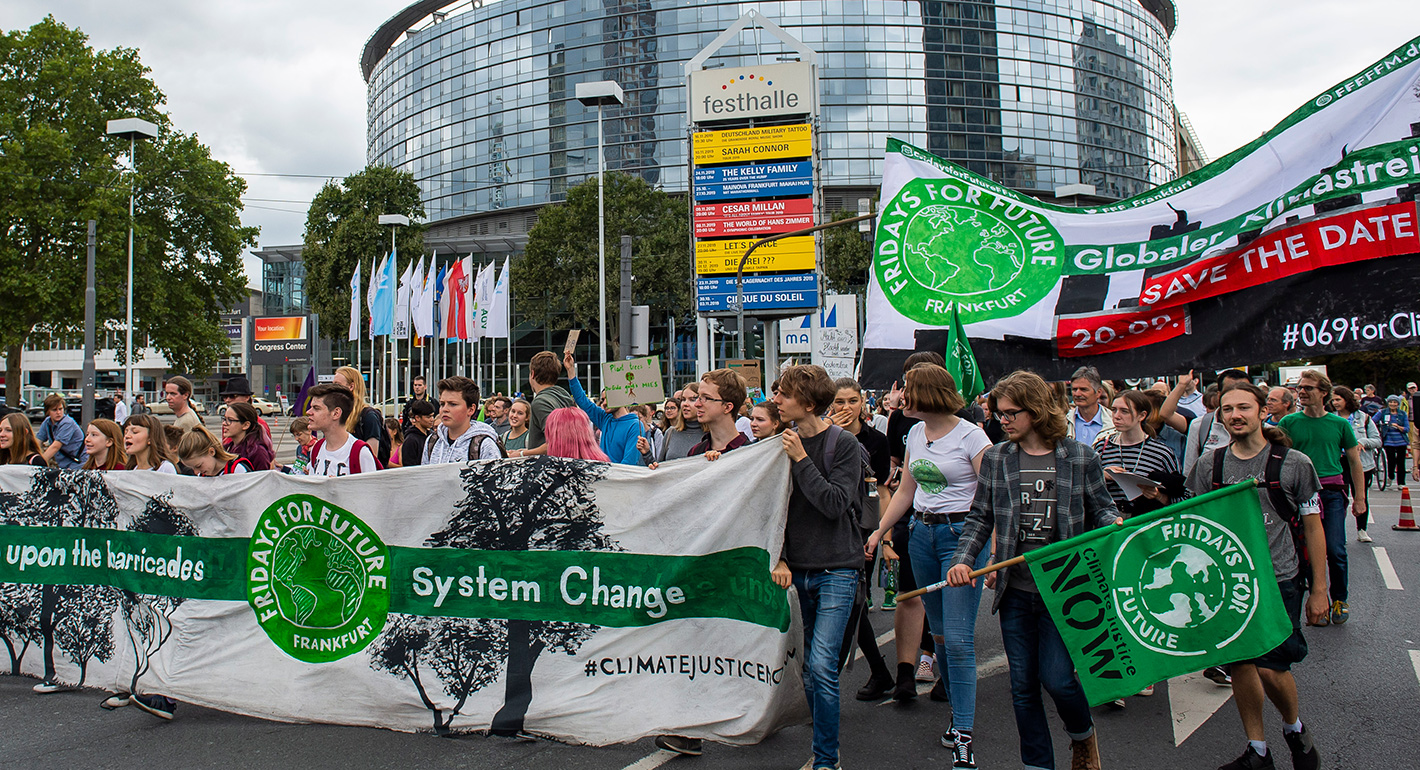
Public sentiment drives legislative changes. Social media amplifies citizen voices instantly. People protest against unfair laws or corruption. Leaders monitor public feedback closely.
They adjust their agendas to win voter support. Transparency builds trust between citizens and authorities. When leaders ignore public demands, political unrest often follows. Therefore, democratic engagement strengthens governance quality.
Overcoming Bureaucratic Hurdles
Bureaucracy often slows down important reforms. Red tape delays emergency funding and project approvals. Leaders attempt to streamline administrative processes. Digital transformation of government services helps reduce delays. Citizens can now access permits and documents online. Efficiency saves taxpayers money and time. However, modernizing state machinery requires significant investment and training.
The Evolution of Regional Partnerships
Countries rarely act entirely alone today. Regional blocs unite economies for mutual benefit. Shared policies foster regional stability and trade growth. Member states harmonize regulations to ease cross-border commerce.
Furthermore, they support each other during natural disasters. Regional collaboration proves especially vital for smaller nations. It gives them a stronger voice in international affairs.
Challenges in Policy Implementation
Drafting a good law is only half the battle. Enforcing it across diverse regions proves challenging. Corruption can undermine well-designed government programs. Insufficient funding often halts critical infrastructure projects. Leaders must monitor implementation phases rigorously. They evaluate outcomes and fix loopholes promptly. Accountability ensures public resources are spent wisely.
Concept of a Unified Planetary Framework
As challenges grow larger, some thinkers propose a global government model. They argue that borderless problems need borderless solutions. Climate change and pandemics do not respect national boundaries.
A unified administrative body could coordinate global responses efficiently. However, critics worry about losing national sovereignty. They fear such a system might lack local accountability. The debate continues among political scientists worldwide.
Managing Demographic Shifts
Population dynamics change rapidly across continents. Some regions face aging populations and shrinking workforces. Other areas experience rapid youth growth.
Governments must adjust immigration and pension policies accordingly. Encouraging birth rates or welcoming skilled migrants helps stabilize economies. Leaders plan decades ahead to manage these demographic transitions.
Cultural Preservation in a Globalized World
Globalization homogenizes cultures to some extent. Local traditions face erasure from dominant foreign media. Governments step in to protect indigenous languages and arts. They fund cultural festivals and heritage sites. Preserving national identity matters deeply to citizens. Leaders balance global integration with local pride. This cultural richness defines our diverse planet.
Energy Independence and Resource Security
Fossil fuels remain a volatile commodity. Nations strive to achieve energy independence. They diversify supply chains to avoid geopolitical blackmail. Renewable energy sources offer a sustainable alternative.
Governments invest heavily in battery storage and grid modernization. Securing critical minerals for tech manufacturing is another priority. Resource security safeguards national sovereignty.
Future of Leadership and Accountability
Future leaders will face unprecedented technological and ecological realities. Artificial intelligence might soon assist in policy drafting. However, human empathy must guide final decisions. Transparency and accountability will remain paramount. Citizens will demand ethical governance from their representatives. Trust forms the foundation of stable societies.
Conclusion
Governance is an ongoing, evolving process. Leaders must navigate constant change with vision and courage. Every policy decision shapes our collective future. Whether addressing climate action, economic growth, or exploring a global government framework, collaboration remains key.
Societies thrive when leaders listen, adapt, and act responsibly. The path ahead requires unity, innovation, and unwavering commitment to the public good. Ultimately, the success of any government or national policy depends on how well it serves everyday people.


