
 Written By
  Reviewed By Romina Clark
Introduction
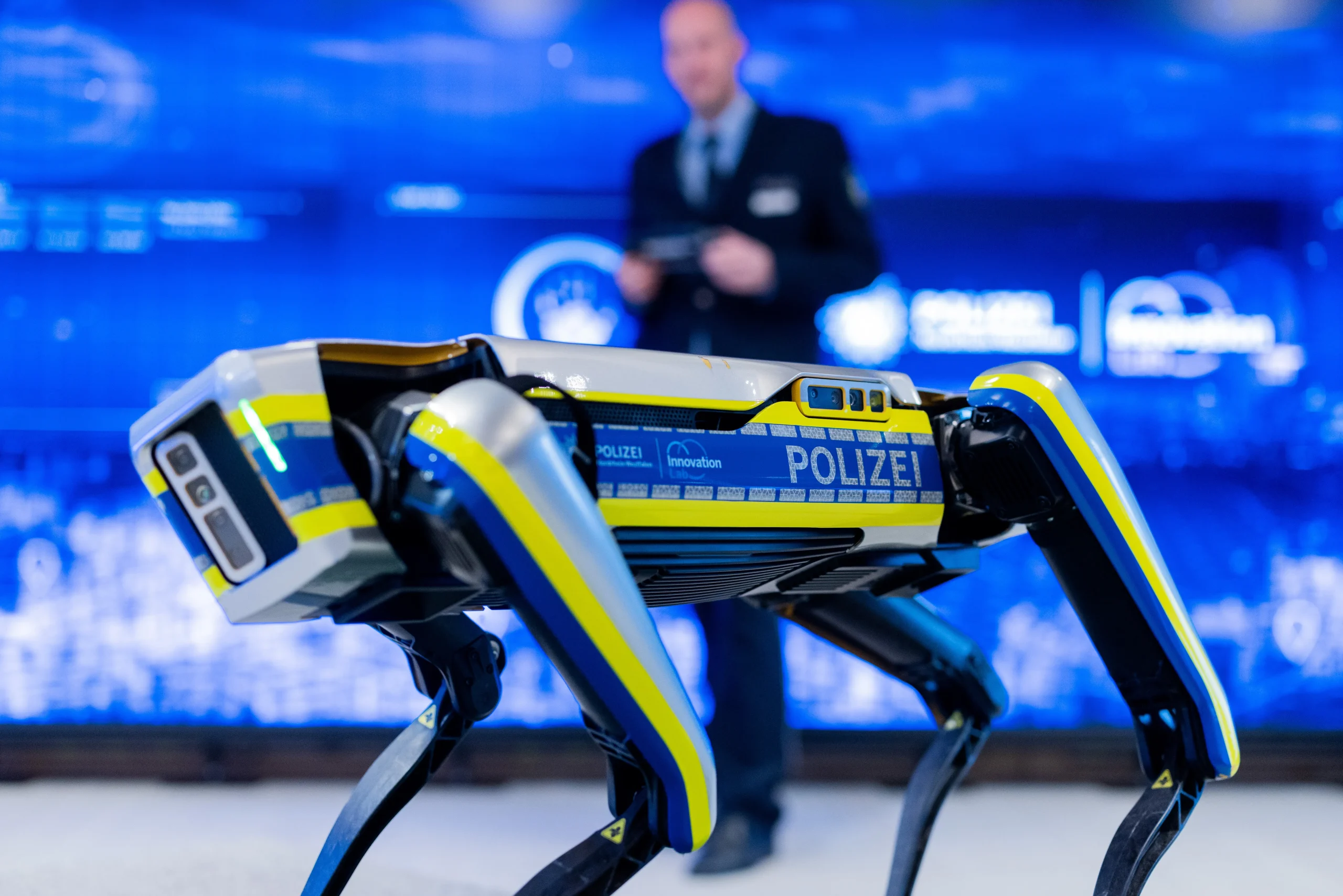
New York police technology is stepping into the future with robotic police dogs patrolling the city streets. These four-legged machines can enter dangerous areas, scout for threats, and send real-time data back to officers. For officers, they offer extra safety. For New Yorkers, they promise faster responses and fewer risks. In this article, we explore how law enforcement robotics are reshaping public safety in New York. From their design to community views, you will learn why these “cyber canines” are more than just gadgets—they could become everyday helpers on the beat.
The Rise of Law Enforcement Robotics
Technology has long aided police work. Cameras, drones, and body cams are common tools today. Robotic dogs take this trend further. They blend mobility with smart sensors. Early models were simple remote-controlled units. Now, they use AI to navigate on their own. Major departments worldwide have tested them. In New York, the push for robotic police dogs began in late 2024. The aim was clear: protect officers and speed up searches. After trial runs in Brooklyn and Queens, the NYPD rolled out its first fleet citywide in early 2025.
How Robotic Dogs Work
Robotic police dogs look like real dogs but are made of metal, plastic, and circuits. Key components include:
- Sensors and Cameras: Night vision, thermal imaging, and LIDAR for mapping.
- AI Navigation: Algorithms that avoid obstacles and map routes.
- Communication Links: Encrypted radios to stream video and audio to HQ.
- Modular Payloads: Options like gas detectors, speakers for warnings, or small arms lockers.
Officers control them with a tablet interface. The AI can also handle basic tasks alone, like following a set path or returning to base if signals drop. This mix of autonomy and human oversight makes them versatile and safe.
Benefits of Robotic Dogs in Policing
1. Officer Safety
Robotic dogs can enter risky zones first. They check for bombs, toxic gas, or armed suspects. If danger appears, they alert the team. This reduces risk to human officers.
2. Faster Response
In large buildings or narrow alleys, running officers may face delays. Robotic dogs navigate tight spaces quickly. They send live maps so officers plan the best entry points.
3. Evidence Gathering
High-definition cameras capture clear footage. Thermal sensors track heat signatures even in darkness. This data helps detectives piece together events and strengthens court cases.
4. Community Engagement
Showing tech-driven methods can boost public trust. Demonstrations at schools and community centers let residents see the robots up close. People often react with awe, which can open dialogue about safety and rights.
Training and Deployment
Before hitting the streets, robotic dogs undergo rigorous tests. These include:
- Obstacle Courses: Simulate stairs, ramps, and rubble.
- Urban Drills: Navigate crowded sidewalks and narrow hallways.
- Environmental Tests: Operate in rain, heat, and cold.
- Operator Training: Officers learn controls, maintenance, and emergency shut-off.
After certification, units deploy in select precincts. Field supervisors monitor performance closely. Any malfunction triggers an immediate recall for inspection. Feedback loops ensure constant upgrades.
Community Reactions
Responses in New York have been mixed:
- Supporters praise the added safety. They see robotic dogs as modern tools that protect officers and the public.
- Critics worry about privacy and over-policing. They fear these machines could be used for unchecked surveillance.
- Privacy Advocates call for clear rules on data storage and access. They demand that video and sensor data need strict oversight.
To address concerns, the NYPD held town hall meetings. They shared videos of robots in training and approved a transparency policy. Community leaders now sit on a tech advisory board to guide future deployments.
Ethical and Privacy Considerations
As law enforcement robotics grow, ethical questions arise:
- Surveillance Scope: How much live data can officers view before acting?
- Data Retention: How long is footage stored, and who can access it?
- Autonomy Limits: Should robots ever act without human orders?
- Bias and Fairness: How does AI decision-making avoid reinforcing prejudices?
Experts recommend clear guidelines. All data should be encrypted and deleted after set periods. Use-of-force rules must require human approval. Annual audits by independent bodies can keep policies fair.
Maintenance and Costs
Robotic dogs are not cheap. Each unit can cost between $100,000 and $200,000, depending on features. Additional expenses include:
- Software Updates: Regular patches and AI model retraining.
- Hardware Repairs: Replacing motors, sensors, or batteries.
- Training: Continuous officer training for system upgrades.
- Support Staff: Dedicated technicians for maintenance and field support.
Despite high costs, the NYPD views them as long-term investments. Savings come from reduced injuries, faster investigations, and fewer hazardous deployments.
Future of Robotic Law Enforcement
Looking ahead, robotic police dogs may gain new abilities:
- Medical Aid Modules: Carry first-aid kits or defibrillators to injured people.
- Biometric Scanners: Identify suspects by facial recognition—though this raises privacy issues.
- Swarm Coordination: Multiple robots working together to secure large events.
- Enhanced Autonomy: AI that can adapt routes and tactics in real time without direct input.
Global police forces are watching New York. If the program succeeds, more cities may follow. Partnerships with tech firms and universities will drive faster innovation.
Balancing Innovation and Accountability
For robotic police dogs to serve the public good, three pillars must stand strong:
- Transparency: Publicize clear policies on use, data, and oversight.
- Community Involvement: Include residents in advisory roles to build trust.
- Regular Review: Audit performance, update rules, and fix biases.
When innovation meets accountability, law enforcement robotics can truly protect and serve in a high-tech era.
Conclusion
Robotic police dogs mark a bold step in New York police technology. They blend law enforcement robotics with human oversight to make patrols safer and investigations faster. These cyber canines scout risky areas, gather critical evidence, and even help calm tense situations with loudspeaker warnings. Yet, their use raises valid questions about privacy, cost, and ethics. By setting clear rules, engaging the community, and auditing performance, the NYPD can ensure these high-tech heroes earn public trust. As technology advances, robotic dogs may become familiar partners on daily beats, shaping the future of urban safety with both care and caution.


