 Written By
  Reviewed By Effective Acne Treatments and Remedies for Clearer Skin
Introduction
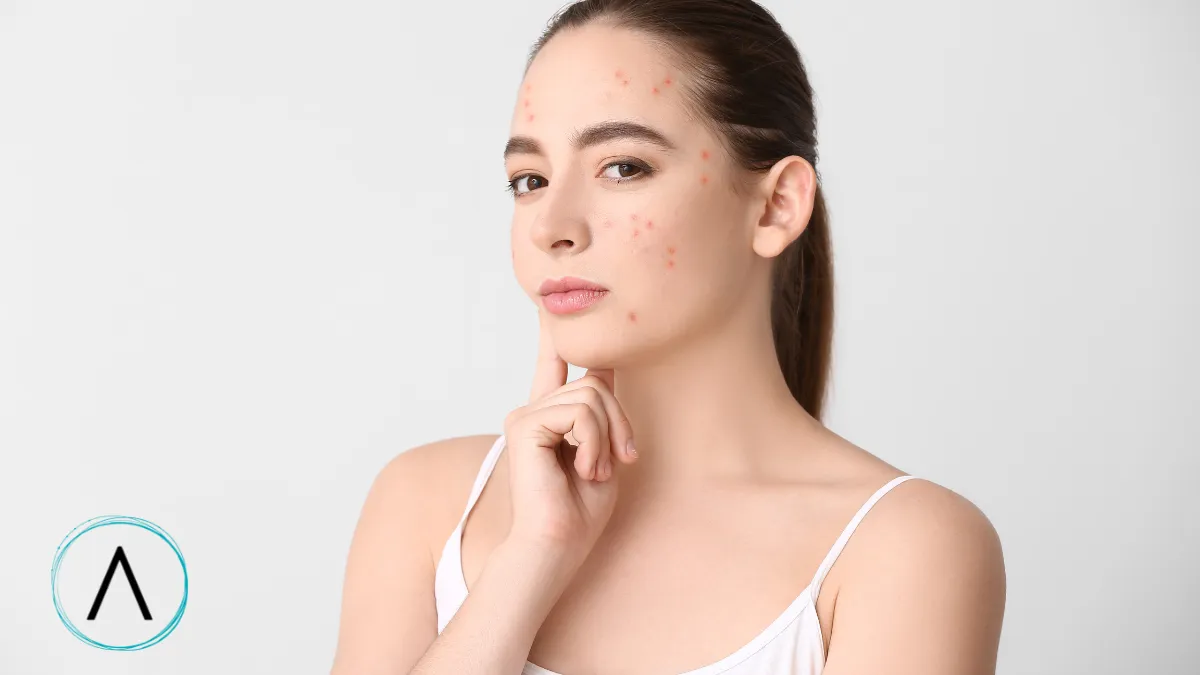
Acne affects millions of people, leaving marks on both skin and self-esteem. Whether you’re dealing with a few stubborn pimples or frequent breakouts, finding the right acne treatment can feel overwhelming. This article offers a clear guide to effective acne remedies for clearer skin, covering everything from over-the-counter products to natural home solutions. With practical tips and easy-to-follow routines, you’ll learn how to fight acne at its source, soothe inflammation, and prevent future breakouts. Ready to take control of your skin? Let’s dive in.
Understanding Acne: Types and Causes
Before choosing a remedy, it helps to know why acne happens.
Common Types of Acne
- Whiteheads: Small, white bumps caused by clogged pores.
- Blackheads: Dark, open pores filled with sebum (oil) and dead skin cells.
- Papules: Red, tender bumps without pus.
- Pustules: Pimples with visible white or yellow center.
- Nodules and Cysts: Deep, painful lumps that can lead to scarring.
Root Causes of Acne
- Excess Oil Production: Overactive sebaceous glands flood pores with oil.
- Clogged Pores: Dead skin cells mix with oil, creating a plug.
- Bacteria Growth: Cutibacterium acnes bacteria thrive in clogged pores, causing inflammation.
- Hormonal Changes: Teenagers, pregnant women, and those with hormonal disorders often see flare-ups.
- Diet and Lifestyle: Sugary foods, dairy, stress, and lack of sleep can worsen acne.
Knowing your acne type and triggers helps you select the most effective acne remedies.
Over-the-Counter Acne Treatments
Many people find success with gentle, accessible products.
1. Benzoyl Peroxide
- How It Works: Kills acne-causing bacteria and reduces oil.
- Usage: Start with 2.5%–5% concentrations to avoid irritation. Apply once daily, then increase if needed.
- Tips: Use a moisturizing cleanser first; wear sunscreen, as benzoyl peroxide can increase sun sensitivity.
2. Salicylic Acid
- How It Works: Exfoliates inside the pore, clearing debris.
- Usage: Common in cleansers and spot treatments at 0.5%–2%. Use daily but reduce frequency if dryness occurs.
- Tips: Pair with a gentle moisturizer to prevent flaking.
3. Alpha Hydroxy Acids (AHAs)
- Examples: Glycolic acid and lactic acid.
- How They Work: Remove dead skin cells on the surface, brightening skin and preventing clogged pores.
- Usage: Found in toners, serums, and masks. Use 1–2 times per week to start.
- Tips: AHAs can sting on sensitive skin—patch test first.
4. Retinoids
- Examples: Adapalene (Differin) is now OTC.
- How They Work: Speed up skin cell turnover, preventing clogged pores and reducing inflammation.
- Usage: Apply pea-sized amount at night only. Start with every other night.
- Tips: Expect initial dryness and mild irritation for 2–4 weeks.
Prescription Acne Treatments
If OTC options don’t clear your skin, a doctor can prescribe stronger treatments.
1. Topical Retinoids
- Strength: Tretinoin, tazarotene, and adapalene are more potent than OTC versions.
- Usage: Nightly application; follow your dermatologist’s instructions closely.
- Benefits: Effective for both whiteheads and blackheads; also improves fine lines.
2. Topical and Oral Antibiotics
- Topical: Clindamycin and erythromycin gels reduce bacteria on the skin.
- Oral: Doxycycline or minocycline treat moderate to severe acne.
- Usage: Often combined with benzoyl peroxide to prevent antibiotic resistance.
- Tips: Use for shortest effective duration to limit side effects.
3. Hormonal Treatments
- Options: Birth control pills, spironolactone.
- How They Work: Balance hormones that spike oil production.
- Usage: Under gynecologist or dermatologist supervision.
- Considerations: Not suitable for everyone; monitor for side effects.
4. Isotretinoin (Accutane)
- How It Works: A powerful oral retinoid that shrinks oil glands.
- Usage: Prescribed for severe nodulocystic acne unresponsive to other treatments.
- Side Effects: Dry skin, nosebleeds, and potential mood changes; requires close medical monitoring.
Natural Remedies for Acne
Many gentle, home-based remedies can complement medical treatments.
1. Tea Tree Oil
- How It Works: Natural antibacterial and anti-inflammatory.
- Usage: Dilute 1 drop of tea tree oil in 9 drops of carrier oil (like jojoba). Apply as a spot treatment.
- Tips: Patch test to avoid allergic reactions.
2. Aloe Vera
- How It Works: Soothes irritation and hydrates skin.
- Usage: Apply pure aloe vera gel to inflamed areas twice daily.
- Benefits: Helps speed up healing and reduces redness.
3. Green Tea Extract
- How It Works: Antioxidants and anti-inflammatory compounds.
- Usage: Use topical creams with green tea extract or place cooled green tea bags on skin.
- Benefits: May reduce sebum production and calm acne.
4. Honey and Cinnamon Mask
- How It Works: Both ingredients are antibacterial.
- Recipe: Mix 2 tablespoons honey with 1 teaspoon cinnamon. Apply for 10–15 minutes, then rinse.
- Tips: Use once a week; avoid if you’re allergic to bees.
5. Zinc Supplements
- How It Works: Zinc fights inflammation and bacterial growth.
- Usage: 30–45 mg of zinc gluconate daily, under doctor’s guidance.
- Benefits: Some studies show reduced acne severity.
Building an Acne-Fighting Skincare Routine
A consistent routine is key to clearer skin.
Morning Routine
- Cleanse: Gentle, sulfate-free cleanser to remove oil build-up.
- Treat: Apply toner or serum with salicylic acid or niacinamide.
- Moisturize: Lightweight, non-comedogenic moisturizer.
- Protect: Broad-spectrum SPF 30 or higher every day.
Evening Routine
- Remove Makeup & Cleanse: Double cleanse if you wear makeup or sunscreen.
- Treat: Use targeted acne treatments—benzoyl peroxide or retinoid.
- Hydrate: Richer moisturizer or skin barrier repair cream to combat dryness.
- Spot Treat: Apply natural spot treatments like tea tree oil on active pimples.
Stick to this routine for at least 8–12 weeks before expecting major results.
Diet and Lifestyle Tips
What you eat and how you live impact your skin’s health.
1. Balanced Diet
- Whole Foods: Fruits, vegetables, lean proteins, and whole grains.
- Low Glycemic Index: Foods like oats and sweet potatoes help reduce breakouts.
- Healthy Fats: Omega-3s from fish or flaxseed oil can reduce inflammation.
2. Stay Hydrated
- Water Intake: Aim for 8 glasses (2 liters) daily to flush toxins.
- Limit Sugary Drinks: High sugar can spike insulin and worsen acne.
3. Manage Stress
- Relaxation Techniques: Yoga, meditation, or deep-breathing exercises lower stress hormones.
- Adequate Sleep: 7–9 hours nightly helps skin repair and reduces breakouts.
4. Avoid Touching Your Face
- Hands Off: Picking or popping pimples spreads bacteria and leads to scars.
- Clean Devices: Wipe phone screens and pillowcases regularly.
When to See a Dermatologist
If over-the-counter and home remedies fail, or you have severe acne, seek professional help.
- Persistent Acne: No improvement after 3 months of consistent treatment.
- Painful Cysts: Large, deep, and painful nodules require medical intervention.
- Scarring: Early treatment of nodulocystic acne can prevent lasting scars.
- Emotional Impact: If acne affects your confidence or mental health, a dermatologist can offer support and advanced treatments.
A dermatologist can tailor a plan combining prescription medications, light therapies, and in-office procedures like chemical peels or laser treatments.
Conclusion
Achieving clearer skin takes a blend of science, patience, and lifestyle changes. From simple remedies for acne like tea tree oil and aloe vera to proven acne treatment options—benzoyl peroxide, retinoids, and prescription therapies—there’s a path forward for every skin type and budget. Building a consistent skincare routine, eating a balanced diet, managing stress, and knowing when to seek a dermatologist will guide you toward the smooth, glowing complexion you deserve. Remember, results don’t happen overnight but stay committed, and clearer, healthier skin will follow.