
 Written By
  Reviewed By Skye Murphy
Introduction
In the past few years, at-home COVID-19 testing kits have become a common tool for staying safe. You can buy a rapid antigen or PCR kit online, take a test yourself, and get results in minutes or days. But many people wonder: Are home COVID tests reliable? In this article, we explore how these kits work, how accurate they are, and what you can do to improve your results. You’ll also learn the pros and cons of different test types, expert tips for proper use, and when you might still need a lab-based test. Let’s dive in.
How Do At-Home COVID-19 Tests Work?
1. Rapid Antigen Tests
- What they detect: Proteins (antigens) on the surface of the virus.
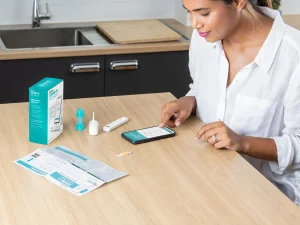
- How they work: You swab your nose or throat, mix the swab in a buffer solution, then place drops on a test strip. If viral proteins are present, a line appears.
- Results time: 10–30 minutes.
2. At-Home PCR Tests
- What they detect: Viral genetic material (RNA) using polymerase chain reaction (PCR).
- How they work: You collect a swab sample and mail it to a lab. The lab runs PCR to amplify any viral RNA and reports results online.
- Results time: 24–72 hours, depending on the lab.
Both types let you test at home. Yet they differ in speed, cost, and accuracy.
Understanding Test Accuracy: Sensitivity and Specificity
Two key measures determine a test’s performance:
- Sensitivity: The ability to catch true positives (people who have the virus). A test with 90% sensitivity finds 9 out of 10 infected people.
- Specificity: The ability to catch true negatives (people without the virus). A test with 95% specificity correctly clears 95 out of 100 uninfected people.
Test TypeTypical SensitivityTypical SpecificityRapid Antigen50–85%90–99%At-Home PCR (mail)95–99%98–100%
High sensitivity is vital during early infection, while high specificity reduces false alarms. Rapid antigen tests trade some sensitivity for speed. PCR tests are slower but more sensitive.
Factors That Affect Reliability
1. Sample Collection
- Proper Swabbing: Swab deep enough in the nose (about 1–1.5 inches). Rushing or swabbing too shallowly can miss the virus.
- Timing: Tests work best when viral levels peak—usually 1–3 days after symptoms start or 3–5 days after exposure.
2. Test Storage and Handling
- Temperature: Keep kits at room temperature (not too hot or cold).
- Expiration Dates: Using expired kits can lower accuracy.
3. User Error
- Following Instructions: Skipping steps or mixing solutions incorrectly can lead to invalid results.
- Reading Time Window: Reading results too early or too late may cause false negatives or false positives.
By carefully following directions, you can reduce mistakes and improve result accuracy.
Pros and Cons of At-Home Testing
1. Advantages
- Convenience: No doctor’s visit or lab trip needed.
- Speed: Rapid antigen tests give results in minutes.
- Privacy: You test in your own home.
- Early Detection: Quick tests help you isolate sooner.
2. Limitations
- Lower Sensitivity (Antigen): Mild cases or low viral loads may be missed.
- Cost: PCR kits that require mailing can cost $50–$150 per test.
- Variable Quality: Not all kits on the market meet the same standards.
- No Clinical Oversight: You don’t get guidance from a health professional during testing.
Understanding these trade-offs helps you choose the right test type for your situation.
When to Use Rapid Antigen vs. PCR at Home
| Situation | Recommended Test Type | Reason |
|---|---|---|
| You have symptoms today | Rapid Antigen and follow-up PCR | Quick check; confirm negative with PCR |
| You were exposed 3 days ago | Rapid Antigen daily for 5 days | Catch rising viral load |
| You need a formal negative result | PCR | Accepted by travel, work, or clinics |
| You want routine screening | Rapid Antigen several times/week | Cheaper, faster |
Combining tests (e.g., two antigen tests 48 hours apart) boosts overall accuracy. If an antigen test is negative but you still feel sick or have symptoms, follow up with a PCR.
Tips to Improve Home Test Reliability
- Read Instructions Fully: Don’t skip any steps, even if they seem obvious.
- Swab Correctly: Tilt your head back, insert the swab until you meet resistance, and rotate it for the recommended seconds.
- Test at the Right Time: If testing after exposure, wait at least 3–5 days. If symptomatic, test as soon as symptoms appear.
- Use Multiple Tests: Two antigen tests 24–48 hours apart can approach PCR accuracy.
- Store Properly: Keep tests in a cool, dry place and use them before expiration.
- Keep Extras Handy: Have more than one test in case of invalid results.
These simple habits help you get more dependable results from home kits.
Regulatory Oversight and Kit Quality
In the U.S., the FDA grants Emergency Use Authorization (EUA) to at-home test kits that meet safety and performance standards. Look for tests that:
- Display FDA EUA labeling.
- Cite sensitivity and specificity on the box.
- Share clear, step-by-step instructions.
Internationally, agencies like the European CE mark or Health Canada approval play similar roles. Avoid tests from unknown brands without clear regulatory information.
Interpreting Your Results
1. Positive Result
- High Reliability: Most antigen positives are true positives, especially with symptoms.
- Next Steps: Isolate immediately and inform close contacts. Follow local health guidelines.
2. Negative Result
- Consider Context: A single negative antigen test does not rule out infection.
- Follow Up: If you have symptoms or high-risk exposure, retest in 48 hours or take a PCR test.
3. Invalid Result
- Meaning: Test controls did not work, so you have no valid result.
- Action: Discard that test and use a new kit.
Clear understanding of what your result means guides your next steps and keeps you—and those around you—safe.
Real-Life Accuracy: What Studies Show
Several studies have measured at-home test accuracy:
- Symptomatic Users: Rapid antigen kits caught about 80% of infections when used within the first week of symptoms.
- Asymptomatic Screening: Sensitivity dropped to around 50–60%, but could reach 75–80% with two tests in 48 hours.
- PCR Comparison: Mail-in PCR tests correctly identified over 95% of infections, matching lab-collected samples.
These findings show that while home antigen tests are less accurate than PCR, smart testing strategies (repeat testing, proper timing) can greatly improve performance.
When to Seek Professional Testing
Even with reliable home kits, certain situations call for clinic-based testing:
- Severe Symptoms: If you have trouble breathing, high fever, or chest pain, seek medical care immediately.
- High-Risk Individuals: Older adults or people with chronic conditions may need clinical oversight.
- Travel or Work Requirements: Some countries and employers only accept lab-based PCR results.
- Public Health Reporting: Official case counts often rely on lab tests, not home results.
Use at-home testing as a first step—but know when to get professional help.
Conclusion
At-home COVID-19 testing kits offer a fast, private way to check your status. Rapid antigen tests give results in minutes and work best when you use them correctly and repeat tests over several days. At-home PCR kits mailed to labs deliver high accuracy but take longer and cost more. Understanding key measures—sensitivity and specificity—helps you set realistic expectations. By following instructions, timing your tests well, and using multiple tests when needed, you can get results you can trust. Remember that no home kit is perfect; if you still feel unwell or need a formal result, seek lab-based PCR testing. With smart use, at-home kits are a reliable tool in staying safe, informed, and responsible during the pandemic.