 Written By
  Reviewed By Emmy Opal
Introduction
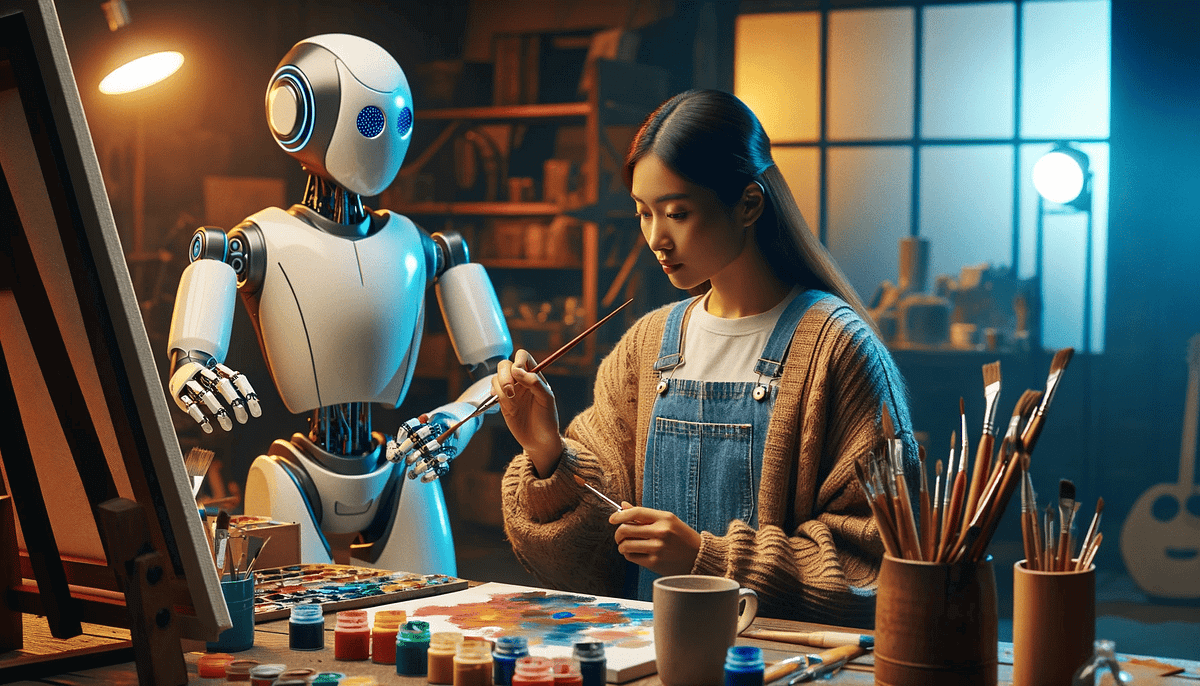
In the grand tapestry of human expression, art has forever been a reflection of our imagination, emotions, and cultural narratives. Yet, in the ever-evolving landscape of the digital age, art has found new avenues of expression through the fusion with cutting-edge technologies. The synergy between art and technology, whether through the immersive realms of virtual reality (VR), the mind-bending capabilities of AI-generated art, or the dynamic interactivity of digital installations, is reshaping the canvas of creativity.
The Rise of Digital Art Innovation
Over the last decade, digital art innovation has accelerated. Artists now use software like Procreate, Blender, and Adobe Creative Cloud to craft intricate visuals. Virtual reality (VR) and augmented reality (AR) add depth, letting viewers step inside art. Meanwhile, generative tools powered by machine learning can compose paintings, music, and poetry with just a few prompts. This rise shows that technology in art is not a fad—it’s a lasting shift. With these tools, creators can explore new styles, reach global audiences, and push the boundaries of imagination.
A Brief History of Art and Technology
1. Early Experiments
- Photography (1839): The first major tech-art fusion, challenging painters to rethink representation.
- Kinetoscope (1891): Edison’s moving pictures introduced the idea that art could be dynamic.
2. 20th Century Innovations
- Computer Art (1950s): Pioneers used mainframes to generate abstract patterns—early creative technology experiments.
- Video Art (1960s–70s): Artists like Nam June Paik used TVs and cameras as sculptural media.
3. Digital Revolution
- Personal Computers (1980s): Software like Photoshop democratized digital painting and photo editing.
- Internet Art (1990s): Web-based projects allowed artists to reach global audiences and collaborate in real time.
These milestones set the stage for today’s interactive art and immersive experiences.
Benefits of Art and Tech Fusion
1. Expanded Creative Possibilities
Technology offers new materials—pixels, code, sensors—letting artists experiment beyond traditional media.
2. Global Collaboration
Cloud-based tools enable artists from different continents to work together on the same piece in real time.
3. Enhanced Accessibility
Digital exhibits bring art to anyone with an internet connection. VR galleries open cultural institutions to people who can’t travel.
4. Audience Engagement
Interactive works invite viewers to participate, creating memorable experiences that deepen emotional connections with the art.
Key Technologies Redefining Art
1. A New Canvas
VR technology has broken the conventional confines of physical spaces, allowing artists to immerse viewers in entirely new realms of imagination. Artists leverage VR to craft immersive experiences, enabling spectators to step into the artist’s mind and explore their creations in three-dimensional spaces. This technology has redefined storytelling by enabling narratives that are not just observed but experienced firsthand. Consider artists like Liz Edwards, whose VR installations transport viewers into surreal worlds were reality merges with imagination. These immersive experiences offer an interactive and deeply engaging form of art, blurring the lines between creator and audience.
2. AI-Generated Art
Artificial Intelligence has emerged as a creative collaborator for artists, generating artworks that push the boundaries of traditional aesthetics. Generative adversarial networks (GANs) and machine learning algorithms have enabled artists to explore new artistic styles and produce works that challenge conventional perceptions of creativity. AI-generated art, like the creations of Mario Klingemann or Robbie Barrat, reflects a fusion of human intent and machine capabilities. These collaborations often result in artworks that surprise both the artist and the audience, raising questions about authorship, creativity, and the nature of art itself.
3. Art in the Interactive Age
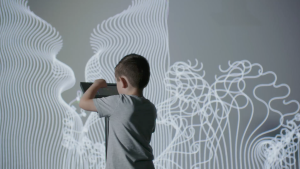
Digital installations, harnessing technology like sensors, projections, and interactive elements, transform static spaces into dynamic, participatory environments. These installations often respond to viewers’ movements or inputs, inviting them to actively engage with the artwork. Artists such as team Lab have pioneered this form of art, creating immersive digital landscapes that react to the presence and actions of the audience. These installations redefine the relationship between art and viewer, turning spectators into integral components of the artistic experience.
4. Virtual and Augmented Reality (VR/AR)
- VR Art Studios: Apps like Tilt Brush let creators paint in three-dimensional space with motion controllers.
- AR Installations: Overlay digital sculptures onto real-world locations via smartphones, enriching public spaces.
5. 3D Printing and CNC Milling
- Sculptural Freedom: Artists design complex forms in CAD software and bring them to life with precise machine carving or printing.
- Customization: Small runs of bespoke items—jewelry, ceramics—blend handcrafted flair with digital accuracy.
Real-World Examples of Art Tech Fusion
- Refik Anadol’s Data Sculptures: Using machine learning, Anadol transforms live data into mesmerizing video sculptures. His works have hung in museums and public spaces around the world.
- TeamLab’s Digital Exhibits: This Japanese art collective uses projection mapping and interactive sensors to craft dreamlike rooms that react to your touch and movement.
- AI Music Collaborations: Musicians are teaming with AI tools like OpenAI’s MuseNet to compose songs, blending human emotion with algorithmic precision.
- 3D-Printed Fashion: Brands like Iris van Herpen produce dresses with complex, organic shapes only possible through digital design and printing.
These examples show how Art Tech Fusion can produce unforgettable experiences and push creative boundaries.
Tips for Embracing Creative Technology
- Start Small: Experiment with free tools like Krita, GIMP, or online AI generators before investing in expensive software.
- Learn the Basics: Take online courses or watch video tutorials on platforms such as YouTube or Coursera.
- Join Communities: Forums and social media groups around digital art can offer feedback and support.
- Collaborate: Partner with technologists or other artists to combine skills and ideas.
- Iterate: Don’t expect perfection on the first try. Use feedback to refine your work and push it further.
By following these steps, you can integrate technology into your creative process and discover new possibilities.
Challenges and Ethical Considerations
Despite its transformative potential, the fusion of art and technology raises ethical concerns and challenges. Issues surrounding intellectual property rights, AI ethics, and the digital divide are critical considerations in this evolving landscape. Questions about the originality of AI-generated art, data privacy in immersive experiences, and access to technology for artists from diverse backgrounds demand careful examination.
Tools and Platforms for Creators
| Technology | Description | Examples |
|---|---|---|
| Digital Painting | Software for painting with stylus or mouse | Adobe Photoshop, Procreate |
| 3D Modeling | Design and sculpt in virtual 3D space | Blender, ZBrush |
| VR Art Studios | Immersive painting and sculpting with VR headsets | Tilt Brush, Gravity Sketch |
| AI Art Generators | Create images from text prompts or style transfer algorithms | DALL·E, Midjourney, Runway ML |
| Interactive Coding | Build interactive, web-based art projects | p5.js, Three.js |
These tools lower the barrier to entry, letting more artists experiment with creative technology.
Conclusion
The convergence of art and technology is not merely a trend, but a paradigm shift in the creative domain. It challenges the traditional definitions of art, democratizes the creative process, and opens doors to unparalleled expressions of human imagination. As technology continues to evolve, the boundaries between what is considered ‘art’ and ‘technology’ will continue to blur, fostering an environment where innovation and creativity thrive hand in hand. Artists embracing these technological advancements are not just pioneers but visionaries shaping the future of artistic expression.