 Written By
  Reviewed By Meredith Maria
Introduction
This interdisciplinary field serves as the pivotal axis where the elegance of biological phenomena intersects with the computational prowess of algorithms and data analysis techniques. At its core, bioinformatics embodies the harmonious marriage between the complexity of living systems and the precision of computational methodologies, offering a gateway to unravel the mysteries encoded within the genome and paving the way for transformative advancements in genomics, drug discovery, and our understanding of life itself. As torrents of biological data cascade from cutting-edge technologies, bioinformatics emerges as the linchpin, orchestrating the storage, analysis, and interpretation of this vast reservoir of information, propelling scientific inquiry into uncharted territories and revolutionizing our perception of the natural world.
Biology and Computer Science
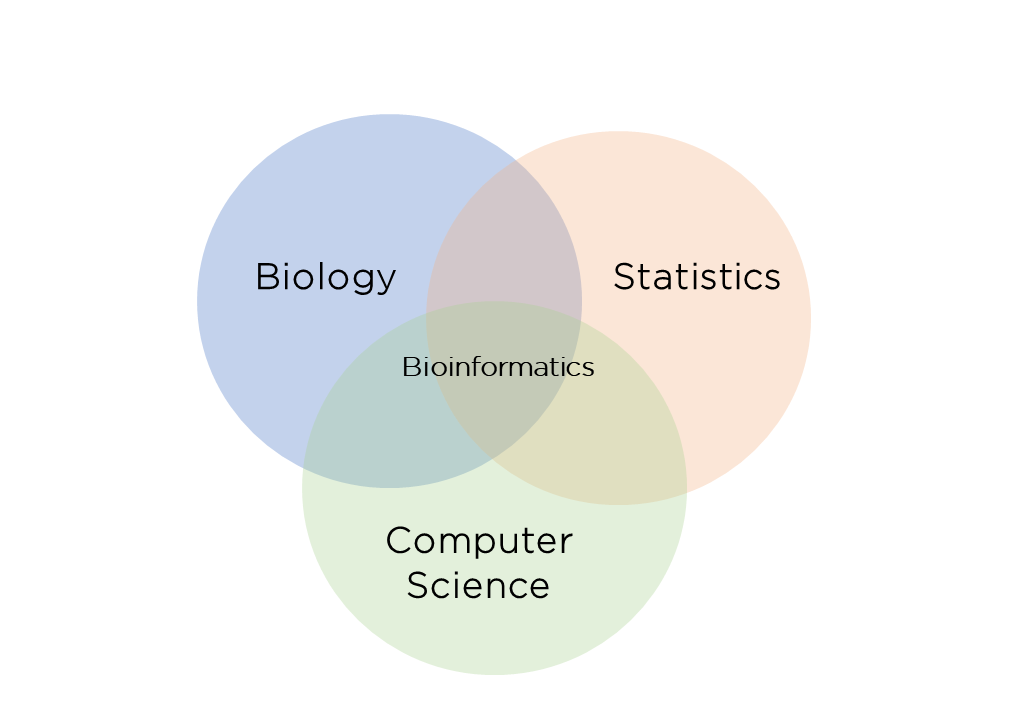
At its core, bioinformatics intertwines two seemingly disparate disciplines: biology and computer science. On one hand, biology delves into the intricate mechanisms of life, exploring DNA, proteins, cells, and organisms. On the other, computer science navigates the realm of algorithms, data structures, and computational methodologies. Bioinformatics acts as the bridge uniting these domains, facilitating a symbiotic relationship that amplifies the potential for groundbreaking discoveries.
Managing the Data Deluge
The foundation of bioinformatics lies in its ability to handle the colossal amounts of biological data generated through various technological advancements. From next-generation sequencing to high-throughput screening, the field constantly churns out enormous datasets, necessitating robust storage solutions.
Databases and Data Formats:
Bioinformatics relies on specialized databases and data formats tailored to biological information. Databases like GenBank, UniProt, and the Human Genome Project archive genetic sequences and associated metadata, enabling researchers worldwide to access and analyze this wealth of information. Data formats such as FASTA and FASTQ facilitate the storage and exchange of sequences, while file formats like BED and GFF encode genomic annotations and structural information.
Challenges in Data Storage:
The challenges are multifold, encompassing issues of scalability, interoperability, and data security. As the volume and complexity of biological data surge, scalable storage infrastructures using cloud computing and distributed systems have become essential. Moreover, ensuring data integrity, privacy, and accessibility remains paramount in bioinformatics endeavors.
Decoding Biological Information
The heart of bioinformatics beats in its analytical prowess. It empowers researchers to extract meaningful insights from raw biological data through computational algorithms and statistical techniques.
Sequence Analysis
One of the foundational pillars of bioinformatics, sequence analysis, involves deciphering genetic sequences to identify genes, regulatory elements, and variations. Algorithms like BLAST (Basic Local Alignment Search Tool) compare DNA, RNA, or protein sequences against vast databases, unveiling evolutionary relationships and functional similarities.
Structural Biology
Bioinformatics aids in modeling and predicting the three-dimensional structures of proteins and nucleic acids. Tools such as molecular docking and homology modeling simulate molecular interactions, facilitating drug design and understanding molecular mechanisms.
Systems Biology
By integrating data from various omics disciplines (genomics, proteomics, metabolomics), bioinformatics enables a holistic understanding of biological systems. Network analysis and pathway modeling unravel the intricate interplay of genes, proteins, and biochemical reactions, providing insights into complex biological phenomena.
Unveiling Biological Insights
Interpreting the analyzed data is the crux of bioinformatics, as it translates raw information into meaningful biological knowledge and fuels advancements in genomics and drug discovery.
Genomic Medicine
Bioinformatics plays a pivotal role in personalized medicine by analyzing individual genetic variations linked to diseases. It aids in identifying biomarkers, predicting disease risks, and customizing treatment strategies, fostering precision medicine initiatives.
Drug Discovery and Development
The intersection of biology and computational methods expedites the drug discovery process. Virtual screening, molecular simulations, and pharmacophore modeling accelerate the identification of potential drug candidates, reducing time and resources in the preclinical phase.
Evolutionary Biology and Biodiversity
Bioinformatics unravels the evolutionary relationships among species, shedding light on biodiversity and ecosystem dynamics. Phylogenetic analysis and comparative genomics elucidate evolutionary patterns and species diversification, offering insights into the origins of life on Earth.
Real-World Applications
Genomic Medicine
Bioinformatics underpins precision medicine. By analyzing a patient’s genome, clinicians can:
- Identify disease-causing mutations.
- Predict drug responses (pharmacogenomics).
- Tailor treatment plans, improving outcomes and reducing side effects.
Drug Discovery and Development
High-throughput virtual screening speeds up early drug discovery. Bioinformatics also helps design antibody therapies and biologics, simulating immune system interactions and predicting off-target effects.
Agriculture and Food Safety
In crops and livestock, bioinformatics aids in:
- Breeding disease-resistant varieties.
- Tracking foodborne pathogens.
- Ensuring genetic modifications are safe and effective.
Essential Tools and Techniques
| Category | Tool/Database | Function |
|---|---|---|
| Sequence Alignment | BLAST, Clustal Omega | Find similarities among sequences |
| Variant Analysis | GATK, Samtools | Identify genetic mutations |
| Structure Prediction | AlphaFold, Rosetta | Predict protein 3D structures |
| Molecular Docking | AutoDock, Schrödinger | Simulate drug–protein interactions |
| Network Modeling | Cytoscape | Visualize molecular interaction networks |
| Pathway Analysis | KEGG, Reactome | Map genes onto biochemical pathways |
These tools form the backbone of most bioinformatics workflows.
Challenges and Future Directions
Data Privacy and Ethics
Handling genetic data raises privacy concerns. Frameworks like HIPAA and GDPR guide ethical data use, while techniques such as federated learning allow analysis without sharing raw data.
Interpreting Big Data
High-throughput methods produce false positives. Improving statistical models and machine learning classifiers is crucial to extract reliable biological insights.
Integrating Multi-Omics
Combining genomics, transcriptomics, proteomics, and metabolomics data into unified models remains complex. Advances in AI and data standards will aid deeper system-level understanding.
Conclusion
Bioinformatics bridges the gap between biology and computational science, transforming raw genetic and molecular data into lifesaving insights. From sequence analysis and structure prediction to systems biology and precision medicine, bioinformatics drives breakthroughs in health, agriculture, and ecology. While challenges in data privacy and integration persist, advances in AI, cloud computing, and collaborative databases promise ever-greater discoveries. As sequencing costs fall and computational tools grow more sophisticated, bioinformatics will continue to unlock the mysteries of life, enabling tailored treatments, sustainable crops, and a deeper understanding of the living world. The future of science is data-driven—and bioinformatics leads the way.
Bioinformatics stands as an indomitable force propelling the frontiers of scientific exploration, where the union of biology and computer science orchestrates a symphony of discovery. Its impact reverberates across diverse domains, from deciphering the intricate genetic code to fueling innovations in medicine and ecology. As technology continues to evolve and the volume of biological data expands exponentially, the role of bioinformatics remains pivotal, promising untold revelations and groundbreaking insights that will shape the trajectory of scientific inquiry for generations to come. Embracing ethical considerations and leveraging emerging technologies, bioinformatics embodies the key to unlocking the mysteries of life, driving progress, and fostering a deeper understanding of the intricate tapestry that weaves together the fabric of existence.