
 Written By
  Reviewed By Azaria Parker
Introduction
Blood pressure is the force of blood pushing against the walls of your arteries. It sounds simple, but when levels stray too high or too low, serious health issues can arise. Knowing key blood pressure facts helps you recognize warning signs, understand how doctors diagnose it, and learn the main symptoms and causes. In this article, we’ll explore everything from reading your numbers to figuring out why they might be off—and what you can do to keep your heart healthy and strong.
What Is Blood Pressure?
Blood pressure (BP) has two numbers:
- Systolic pressure (top number): Measures pressure when your heart beats.
- Diastolic pressure (bottom number): Measures pressure when your heart rests between beats.
For example, a reading of 120/80 mmHg (millimeters of mercury) means a systolic pressure of 120 and a diastolic of 80. Healthy ranges fall between 90/60 mmHg and 120/80 mmHg for most adults.
How Doctors Diagnose Blood Pressure
1. Measuring Devices
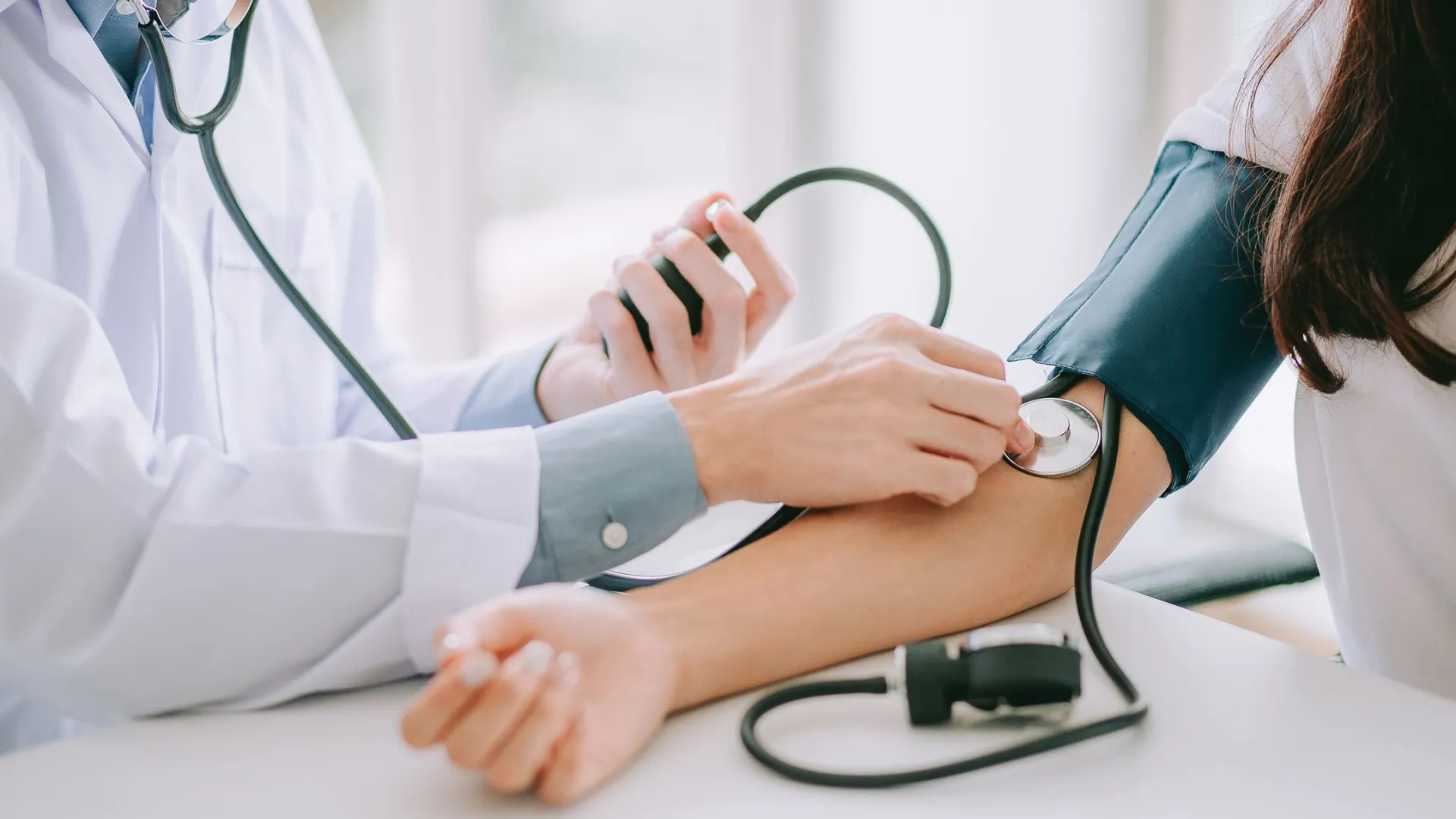
- Manual Cuff and Stethoscope: Nurses or doctors inflate a cuff around your arm and listen for sounds.
- Digital Monitors: Automatic machines that display your systolic and diastolic numbers.
2. Diagnosis Categories
| Category | Systolic (mmHg) | Diastolic (mmHg) |
|---|---|---|
| Normal | <120 | <80 |
| Elevated | 120–129 | <80 |
| Stage 1 Hypertension | 130–139 | 80–89 |
| Stage 2 Hypertension | ≥140 | ≥90 |
| Hypotension (Low BP) | <90 | <60 |
Doctors usually take three readings on different days to confirm a high or low diagnosis. They also consider factors like age, weight, and medical history.
Common Symptoms of High Blood Pressure
High blood pressure, or hypertension, is often known as the “silent killer” because many people have no symptoms until levels become severe. Potential warning signs include:
- Headaches: Especially at the back of the head, in the morning.
- Dizziness or Lightheadedness: Feeling unsteady or faint.
- Nosebleeds: More frequent than usual, though not common.
- Shortness of Breath: Particularly when lying down or with mild activity.
- Blurred Vision: Due to pressure on blood vessels in the eyes.
- Chest Pain: A serious sign that requires immediate medical attention.
Because hypertension can damage organs over time without obvious symptoms, regular checks are vital.
Common Symptoms of Low Blood Pressure
Low blood pressure, or hypotension, can also cause problems if it drops too far. Watch for:
- Weakness and Fatigue: Feeling tired even after rest.
- Fainting (Syncope): Brief loss of consciousness.
- Nausea: A queasy or vomiting sensation.
- Cold, Clammy Skin: Especially on hands and feet.
- Rapid, Shallow Breathing: As your body tries to increase oxygen flow.
- Confusion: Difficulty concentrating or mental fog.
If you faint or experience severe dizziness, sit or lie down and elevate your legs. Seek medical help if symptoms persist.
Main Causes of High Blood Pressure
Hypertension can result from many factors, often in combination:
- Genetics: Family history of high blood pressure increases risk.
- Diet: High salt intake, processed foods, and excess calories raise BP.
- Lack of Exercise: Sedentary lifestyle weakens heart and vessels.
- Obesity: Extra weight forces the heart to work harder.
- Stress: Chronic stress triggers hormone surges that narrow blood vessels.
- Smoking & Alcohol: Both damage vessel walls and disrupt heart rate.
- Age: Blood vessels stiffen with age, increasing resistance.
- Chronic Conditions: Diabetes, kidney disease, and sleep apnea often coexist with hypertension.
Lifestyle changes can reverse or mitigate many causes, making early intervention crucial.
Main Causes of Low Blood Pressure
Hypotension may arise from:
- Dehydration: Loss of fluids lowers blood volume.
- Heart Problems: Weak pump function from heart disease or arrhythmias.
- Endocrine Disorders: Thyroid or adrenal gland issues.
- Severe Infections (Sepsis): Widespread inflammation dilates vessels.
- Blood Loss: From injury or internal bleeding.
- Nutritional Deficiencies: Low vitamin B12 or folate causing anemia.
- Medications: Diuretics, heart medicines, or antidepressants.
Mild hypotension often needs no treatment, but severe cases require medical care to prevent shock.
Risk Factors You Can’t Control
Some factors are beyond your reach but important to know:
- Age: Hypertension risk rises after age 40.
- Race: People of African or South Asian descent have higher hypertension rates.
- Genetics: A family history of hypertension or hypotension.
- Gender: Men under 55 are more prone to high BP; women’s risk rises after menopause.
Awareness of these factors helps you monitor blood pressure more closely if you’re at higher risk.
Prevention and Management Strategies
Keeping blood pressure in a healthy range often comes down to lifestyle:
1. Diet and Nutrition
- Reduce Salt: Aim for less than 5g (one teaspoon) per day.
- Eat More Fruits & Veggies: High in potassium, which helps balance sodium.
- Choose Whole Grains: Oats, brown rice, whole wheat over refined grains.
- Limit Sugar and Processed Foods: Cut back on sugary drinks and snacks.
2. Regular Exercise
- Aerobic Activity: At least 150 minutes per week of brisk walking, jogging, or cycling.
- Strength Training: Two sessions per week to build heart-healthy muscle mass.
3. Weight Management
- Body Mass Index (BMI): Aim for a BMI between 18.5 and 24.9.
- Waist Circumference: Keep under 40 inches for men and 35 inches for women.
4. Stress Reduction
- Mindfulness and Meditation: Daily practice lowers stress hormones.
- Deep Breathing Exercises: Simple routines to calm the nervous system.
- Adequate Sleep: 7–9 hours nightly to support overall health.
5. Avoid Tobacco and Excess Alcohol
- Smoking Cessation: Seek support groups or nicotine replacement therapy.
- Moderate Drinking: No more than one drink per day for women, two for men.
When to Seek Medical Help
Regular self-monitoring at home with a valid BP cuff is a good start. However, see a healthcare provider if you experience:
- Consistently High Readings: Above 130/80 mmHg on three separate occasions.
- Severe Symptoms: Chest pain, severe headache, vision changes, or shortness of breath.
- Symptoms of Hypotension: Fainting, confusion, or persistent dizziness.
- Side Effects from Medications: Dizziness, swelling, or rapid heart rate after starting a BP drug.
Early diagnosis and treatment—often with medications such as ACE inhibitors, beta-blockers, or diuretics—prevent long-term damage to organs like the heart, kidneys, and brain.
Conclusion
Understanding these blood pressure facts empowers you to protect your health. Regular monitoring and knowing how doctors diagnose blood pressure are the first steps. Recognizing the symptoms of both high and low pressure—headaches, dizziness, fainting—can save lives by prompting fast care. Most importantly, many causes of unbalanced blood pressure, like diet, exercise, and stress, are within your control. By adopting a heart-healthy lifestyle, you can prevent complications and enjoy better overall well-being. Stay proactive—check your blood pressure regularly, follow your doctor’s advice, and make sensible lifestyle choices to keep your numbers in the safe zone.