

 Written By
 Every cat owner knows that cats love comfort and routine. They carefully choose their favorite sleeping spots, spend hours grooming themselves, and often resist anything that disrupts their daily habits. That is why introducing a collar can sometimes feel impossible. Many cats react dramatically when they wear a collar for the first time. Some walk backward, scratch constantly, freeze in place, or try desperately to remove it. These reactions are especially common among sensitive cats that dislike unfamiliar textures, sounds, or pressure around their necks.
However, identification and safety remain important. Instead of giving up on collars altogether, cat owners should focus on finding designs that prioritize comfort. The right collar, combined with a gradual introduction process, can help even the most sensitive feline feel comfortable and secure.
Why Sensitive Cats Dislike Wearing Collars
Cats experience the world differently than humans. Their skin contains highly sensitive nerve endings that help them detect movement, vibrations, and environmental changes.
Because of this heightened sensitivity, a heavy or poorly designed collar can feel uncomfortable and distracting. Materials that seem harmless to humans may irritate a cat throughout the day.
Several factors often contribute to collar resistance:
- Rough or stiff materials
- Excessive weight
- Tight-fitting designs
- Loud bells
- Skin irritation
- Restricted movement
When a collar constantly rubs against a cat’s fur or creates noise near its ears, stress levels can increase. As a result, many cats develop negative associations with wearing collars.
Key Features to Look for in the Best Cat Collars
Choosing the right collar can make a significant difference. Sensitive cats often accept collars when they are lightweight, flexible, and designed with comfort in mind.
Lightweight Design
A heavy collar can feel overwhelming to a small animal. Lightweight collars reduce pressure on the neck and make movement feel natural.
When shopping for a collar, pay close attention to the hardware. Smaller buckles and lightweight components help create a more comfortable experience.
Soft and Smooth Materials
Material choice plays a major role in comfort. Soft fabrics reduce friction and help prevent irritation.
Look for collars made from:
- Soft nylon
- Elastic materials
- Smooth woven fabrics
- Flexible synthetic blends
Avoid rough stitching or sharp edges that may rub against your cat’s skin.
Stretchable Construction
Flexible collars move naturally with your cat’s body. Stretchable materials allow the collar to adapt during grooming, stretching, jumping, and play.
This flexibility helps reduce the sensation of restriction that many sensitive cats dislike.
Breakaway Safety Features
Safety should always remain a top priority. Breakaway collars are specifically designed to release under pressure if the collar becomes snagged.
This feature helps prevent serious accidents and provides additional peace of mind for cat owners.
Comfortable Collar Options for Sensitive Cats
Several collar designs work exceptionally well for cats with sensory sensitivities.
Elastic Safety Collars
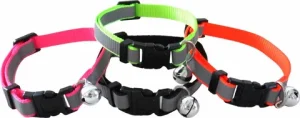
Elastic collars provide excellent flexibility and comfort. Their stretchable construction allows cats to move naturally while reducing feelings of restriction. Many modern designs also include reflective elements that improve visibility during low-light conditions.
Because they lack heavy hardware, these collars often feel less noticeable to cats.
Snag-Proof Breakaway Collars
Snag-proof collars combine safety and comfort. They feature smooth materials that resist pulling and prevent fur damage. The breakaway mechanism releases automatically if the collar becomes caught on furniture, fences, or branches.
This design offers both security and peace of mind.
Should Sensitive Cats Wear Flea Collars?
Many flea collars create additional challenges for sensitive cats.
Traditional flea collars tend to be:
- Thick and rigid
- Heavier than regular collars
- Chemically coated
- Less comfortable
These characteristics can increase scratching, irritation, and discomfort. For highly sensitive cats, topical flea treatments may be a better option. Spot-on treatments provide effective flea protection without requiring additional neck accessories.
Many pet owners prefer topical solutions because they eliminate the weight and friction associated with flea collars while maintaining reliable pest control.
How to Introduce a Collar Successfully
Even the most comfortable collar requires a proper introduction. Rushing the process often creates negative experiences that can make future attempts more difficult. A gradual approach helps cats build confidence and accept the collar more naturally.
Familiarize Your Cat with the Collar
Place the collar near your cat’s favorite resting area. Allow your cat to investigate it naturally. This helps the collar absorb familiar scents and reduces anxiety.
You can also gently rub the collar with a blanket or cloth that carries your cat’s scent.
Create Positive Associations
Hold the collar near your cat while offering treats.
Reward calm behavior immediately. Repeat this process over several days.
The goal is to help your cat associate the collar with positive experiences rather than stress.
Introduce Brief Contact
Begin Short Wearing Sessions
Once your cat accepts the collar, fasten it loosely and allow short wearing periods.
Start with five minutes during enjoyable activities such as:
- Mealtime
- Play sessions
- Treat time
- Grooming
Distraction helps reduce focus on the new sensation.
Increase Wear Time Gradually
Extend wearing sessions slowly over several days.
Monitor your cat’s behavior closely. If signs of stress appear, reduce the duration and proceed more gradually.
Patience is the key to long-term success.
Common Collar Mistakes to Avoid
Many collar problems result from simple mistakes.
Avoid these common issues:
- Choosing collars that are too tight
- Using heavy accessories
- Leaving noisy bells attached
- Skipping the adjustment period
- Ignoring signs of irritation
Always follow the two-finger rule. You should comfortably fit two fingers between the collar and your cat’s neck.
Benefits of Finding the Right Collar
A properly fitted collar offers several important benefits.
These include:
- Easy identification
- Increased safety
- Greater visibility
- Reduced risk if your cat gets lost
- Peace of mind for owners
Most importantly, the right collar allows your cat to enjoy these benefits without sacrificing comfort.
Final Thoughts
Sensitive cats may dislike collars initially, but that does not mean they can never wear one comfortably. Understanding your cat’s sensory needs is the first step toward success. Choose lightweight materials, flexible designs, and breakaway safety features whenever possible. Additionally, introduce the collar gradually and use positive reinforcement throughout the process.
With patience, consistency, and the right product, even the most collar-resistant feline can learn to wear a collar comfortably. By selecting one of the best cat collars designed for sensitive pets, you can improve safety, reduce stress, and help your cat enjoy a more secure and comfortable life.