 Written By
  Reviewed By Dakota Justice
Introduction
Struggling to manage blood sugar after meals? You’re not alone. Rice is a staple in many diets, but its high starch content can cause rapid blood sugar spikes. Recent research shows a simple trick—adding coconut oil to rice—can significantly lower blood sugar levels and improve overall glucose control. This easy, natural approach could help anyone looking for better blood sugar management without drastic diet changes. In this article, we’ll explore the science behind the coconut oil and rice combination, step-by-step cooking tips, and practical advice to harness this method for healthier results.
Why Rice Raises Blood Sugar
Rice is rich in carbohydrates, which break down into sugar (glucose) in the body:
- High Glycemic Index (GI): White rice ranks around 70 on the GI scale, meaning it raises blood sugar quickly.
- Rapid Digestion: Lacking fiber and fat, plain rice converts to glucose fast, leading to sharp blood sugar peaks.
- Insulin Response: These spikes force the pancreas to release large amounts of insulin, which over time can stress pancreatic cells and contribute to insulin resistance.
For people with or at risk of diabetes, these large swings in blood sugar can be harmful. That’s where adding healthy fats comes in.
How Coconut Oil Changes Rice’s Impact
Coconut oil is high in medium-chain triglycerides (MCTs), a type of fat with unique properties:
- Slows Starch Digestion: The fat forms a coating around rice grains, reducing the rate at which digestive enzymes break down starch into glucose.
- Promotes Resistant Starch: When researchers cook rice with coconut oil and then cool it, some of the starch transforms into resistant starch—a form that resists digestion and feeds good gut bacteria instead of raising blood sugar.
- Improves Insulin Sensitivity: MCTs in coconut oil have been shown to increase insulin sensitivity in some studies, helping the body handle glucose more effectively.
Together, these effects lower the glycemic response to rice, meaning smaller blood sugar spikes after meals.
The Key Study
A 2015 study published in the International Journal of Food Sciences and Nutrition tested this exact combo:
- Method: Researchers added three teaspoons of coconut oil to rice before cooking. After cooling the rice in the refrigerator for 12 hours, they reheated it and tested its GI.
- Results: The GI of white rice dropped from 86 (high) to 59 (medium)—a 31% reduction.
- Implications: This simple step could help millions who rely on rice as a staple but need better blood sugar control.
Importantly, the taste and texture of the rice remained largely unchanged, making this method easy to adopt.
Step-by-Step: Cooking Coconut Oil Rice
Follow these simple steps to make your rice more blood sugar friendly:
Ingredients (per cup of uncooked rice):
- 1 cup white or brown rice
- 3 teaspoons (15 ml) virgin coconut oil
- Water per package instructions
- Pinch of salt (optional)
Instructions:
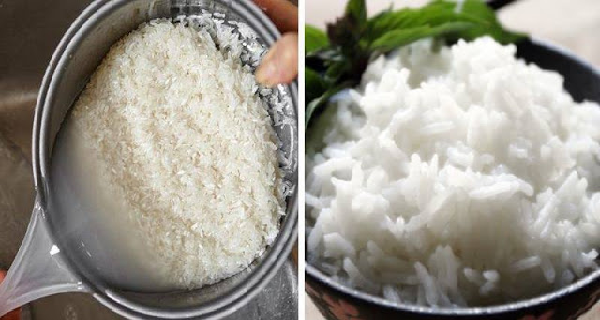
- Combine Rice and Coconut Oil: In a saucepan, stir the uncooked rice with coconut oil until grains are evenly coated.
- Cook Normally: Add water and a pinch of salt, bring to a boil, then reduce heat and cover. Cook until the rice is tender (per package directions).
- Cool in Fridge: Transfer cooked rice to a shallow container. Refrigerate for at least 12 hours to allow resistant starch to form.
- Reheat and Serve: Warm the rice gently on the stove or in the microwave. Enjoy as a side dish or in your favorite rice recipe.
Tip: You can cook a larger batch, store it in the fridge, and reheat portions as needed. This method works for both white and brown rice.
Why Resistant Starch Matters
Resistant starch acts more like fiber than carbohydrate:
- Feeds Gut Bacteria: Promotes a healthy microbiome, which supports better metabolism.
- Increases Fullness: Slows digestion, helping you feel satisfied longer and reducing overeating.
- Lowers Insulin Response: Blunts blood sugar spikes, easing the burden on your pancreas.
By converting part of rice’s starch into this beneficial form, you gain both metabolic and digestive perks.
Additional Health Benefits of Coconut Oil
Beyond blood sugar control, coconut oil offers other advantages:
- Boosts Heart Health: Some studies suggest MCTs can raise HDL (“good”) cholesterol.
- Supports Weight Management: MCTs may increase calorie burning and reduce appetite.
- Antimicrobial Properties: Lauric acid in coconut oil fights harmful bacteria and fungi in the gut.
- Skin and Hair Care: Applied topically, coconut oil moisturizes and nourishes.
When used in moderation as part of a balanced diet, coconut oil can be a healthy, multifunctional ingredient.
Tips for Best Blood Sugar Results
- Combine with Fiber and Protein: Pair coconut oil rice with vegetables and lean protein to further slow glucose absorption.
- Watch Portions: Even with a lower GI, rice remains a carbohydrate source—stick to recommended servings (½ to 1 cup cooked per meal).
- Stay Active: Regular movement after meals helps muscles use glucose, lowering blood sugar peaks.
- Monitor Your Response: If you have diabetes, check your blood sugar before and two hours after meals to see how your body reacts.
- Alternate Grains: Rotate with other lower-GI grains like barley or quinoa for variety and balanced nutrition.
These habits amplify the benefits of the coconut oil and rice technique for blood sugar control.
Who Should Try This Method
- People with Type 2 Diabetes: A simple way to reduce post-meal spikes.
- Prediabetics: Helps slow progression toward diabetes.
- Health-Conscious Eaters: Anyone aiming for steadier energy and better gut health.
- Rice Lovers: Those who don’t want to give up a dietary staple but seek healthier options.
Always consult your healthcare provider before making major dietary changes, especially if you take diabetes medications.
Common Questions
Q: Can I skip the cooling step?
A: Cooling for at least 12 hours is key to forming resistant starch. Without it, you lose much of the blood sugar–lowering effect.
Q: Does this work with brown rice?
A: Yes. Brown rice has a lower baseline GI than white rice; adding coconut oil and cooling further reduces its impact.
Q: Will reheated rice go bad?
A: Store rice in the fridge promptly and reheat thoroughly. Eat within 3–5 days to ensure safety.
Q: What if I don’t like coconut flavor?
A: Virgin coconut oil is mild and usually doesn’t affect taste noticeably. For less coconut aroma, choose refined coconut oil.
Beyond Rice: Other Resistant Starch Tips
You can use the same cool-and-reheat trick with other starchy foods:
- Pasta: Cook, cool in the fridge, then reheat.
- Potatoes: Boil, chill, and lightly reheat in salads or as a side.
- Legumes: Cooled beans and lentils develop some resistant starch.
These methods help lower the GI of many carbohydrates, offering wider options for blood sugar control.
Conclusion
Mixing coconut oil and rice is a simple, science-based strategy to lower blood sugar spikes while enjoying your favorite meals. By adding three teaspoons of coconut oil before cooking and chilling rice for at least 12 hours, you transform starch into resistant starch—feeding your gut, reducing glucose surges, and supporting better health. Combine this technique with balanced meals, portion control, and regular activity for maximum benefit. Whether you have diabetes, prediabetes, or simply aim for steadier energy, this easy kitchen hack can make a real difference. Try it today and discover how small changes in your cooking can lead to big wins for your blood sugar and overall well-being.