

 Written By
 Introduction
Strawberry-flavored HIV medications are a type of flavored antiretroviral formulation designed to help pediatric HIV treatment by making medicines more palatable. Children and adults who struggle with the bitter taste of standard pills often skip doses, risking treatment failure. By adding a sweet, familiar strawberry flavor, pharmaceutical companies aim to boost adherence and overall health. In this article, we’ll explore the different types of strawberry-flavored HIV medications, why flavor matters, and what to consider when choosing the right option for you or your child.
Why Flavor Matters in HIV Treatment
Taste is a powerful factor in how consistently patients take their medicine. Bitter or unpleasant flavors can cause gagging or outright refusal—especially in young children. Poor adherence leads to viral resistance, treatment setbacks, and increased transmission risk. Flavored antiretroviral formulations target this barrier by turning necessary drugs into something that feels less like medicine and more like a treat. For families managing pediatric HIV treatment, strawberry notes can transform daily dosing from a struggle into a routine the child can accept.
Types of Strawberry-Flavored HIV Medications
1. Syrup Formulations
Liquid syrups are among the oldest flavored options. They combine active antiretroviral ingredients—such as lamivudine or abacavir—with sweeteners, preservatives, and natural or artificial strawberry essence. Syrups allow caregivers to measure doses precisely with an oral syringe. They work well for very young children or anyone with difficulty swallowing pills. However, they may require refrigeration after opening and have a shorter shelf life than tablets.
2. Chewable Tablets
Chewables blend active drugs into a soft, bite‑and‑chew format. After chewing, the tablet dissolves into a flavored paste that is swallowed easily. These are popular for school‑aged children who can manage small pieces without water. Chewables often come scored for half‑dose splits, making dose adjustments simpler. They remain stable at room temperature and are portable—ideal for families on the go.
3. Orally Disintegrating Tablets (ODTs)
ODTs rapidly dissolve on the tongue without water, releasing medication in seconds. Strawberry‑flavored ODTs are discreet and user‑friendly. They are great for travelers or anyone who needs to take a dose in public without drawing attention. Because they dissolve so quickly, the risk of choking is minimized. ODTs also avoid refrigeration and are stable like chewables, though they may require blister packs to protect against moisture.
4. Capsule Coatings
Standard capsules can be coated with a thin, flavored film. Strawberry gelatin or vegetarian coatings mask the bitter interior. Coated capsules look and swallow like regular pills but with a pleasant aftertaste. This option keeps the flexibility of capsule dosing—such as opening the shell to sprinkle contents in food—while still reducing bitterness. Patients who prefer traditional shapes but want improved taste often choose coated capsules.
5. Powder Mixes
For certain antiretrovirals, manufacturers offer powder sachets. Patients mix the powder with water or soft foods like applesauce. Strawberry‑flavored sachets contain flavoring agents and sometimes a little sugar. Powders are lightweight and have long shelf lives. They allow caregivers to adjust dosing by varying the amount of powder. The texture may feel grainy, so some users prefer syrup or tablets, but powders remain a versatile choice.
Benefits of Flavored Medications for Patients
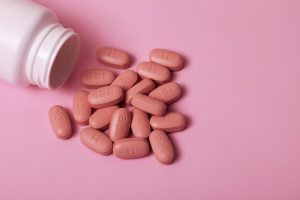
Flavored antiretroviral formulations offer several advantages:
- Better Adherence: Pleasant taste reduces missed doses.
- Improved Outcomes: Consistent dosing means better viral suppression.
- Reduced Anxiety: Children associate medicine with a sweet taste, not fear.
- Flexible Dosing: Syrups, chewables, and powders allow dose adjustments.
- Convenience: Room‑temperature stability and portable forms suit busy families.
By addressing the “yuck” factor, strawberry‑flavored HIV medications help turn a challenging daily routine into something more manageable and less stressful.
Considerations and Safety
When choosing a flavored formulation, keep these points in mind:
- Ingredient Sensitivities: Check for artificial dyes or sweeteners if allergies exist.
- Storage Requirements: Some syrups need refrigeration; tablets and powders often do not.
- Dosage Accuracy: Oral syringes and scored tablets improve precision.
- Cost and Insurance Coverage: Flavored versions may cost more; verify what your plan covers.
- Age Appropriateness: Very young children may do best with syrups, while older kids prefer tablets or ODTs.
Always consult a healthcare provider before switching formulations. They can confirm that the flavored version maintains the correct dosage and interacts safely with other medications.
How to Choose the Right Formulation
Finding the best option depends on individual needs:
- Young Children (0–5 years): Syrups allow caregivers precise dosing and are easy to swallow.
- School‑Age Kids (6–12 years): Chewables and ODTs fit into backpacks and don’t require water.
- Teenagers & Adults: Coated capsules and ODTs look less like “child medicine” and can be taken discreetly.
- Frequent Travelers: ODTs and chewables are simple to carry and consume anywhere.
Discuss any transitions with your healthcare team. They can guide you on dosing tools, switching protocols, and monitoring for side effects.
Future Trends in Flavored HIV Therapy
Manufacturers continue to innovate:
- Natural Flavor Extracts: Moving away from artificial colors and sweeteners.
- Combined Flavors: Blends like strawberry‑banana to reduce flavor fatigue.
- Micropellet Technology: Tiny beads you sprinkle on food, offering slow and steady drug release.
- Personalized Flavor Packs: Pharmacies may soon offer custom flavors based on patient preference surveys.
These advances aim to make life‑long therapy as pleasant as possible, reducing stigma and improving quality of life.
Conclusion
Strawberry-flavored HIV medications bring a simple but powerful improvement to pediatric and adult antiretroviral therapy. From syrups and chewables to ODTs and flavored coatings, each type offers unique benefits—better taste, flexible dosing, and improved adherence. When choosing the right formulation, consider age, storage needs, and cost. As research continues, expect even more flavor options and innovative delivery methods. By making treatment easier and more enjoyable, flavored antiretroviral formulations help patients stay on track and achieve the best possible health outcomes.