

 Written By
 The car industry has evolved quickly in recent years. Electric cars now offer drivers a different way to travel without relying on a traditional gasoline engine. Modern electric technology combines powerful batteries, electric motors, advanced software, and smart charging systems. Together, these components create a different driving experience from conventional vehicles. As battery technology continues to improve, manufacturers keep introducing models with better range, faster charging, and more advanced features.
How Electric Car Technology Works
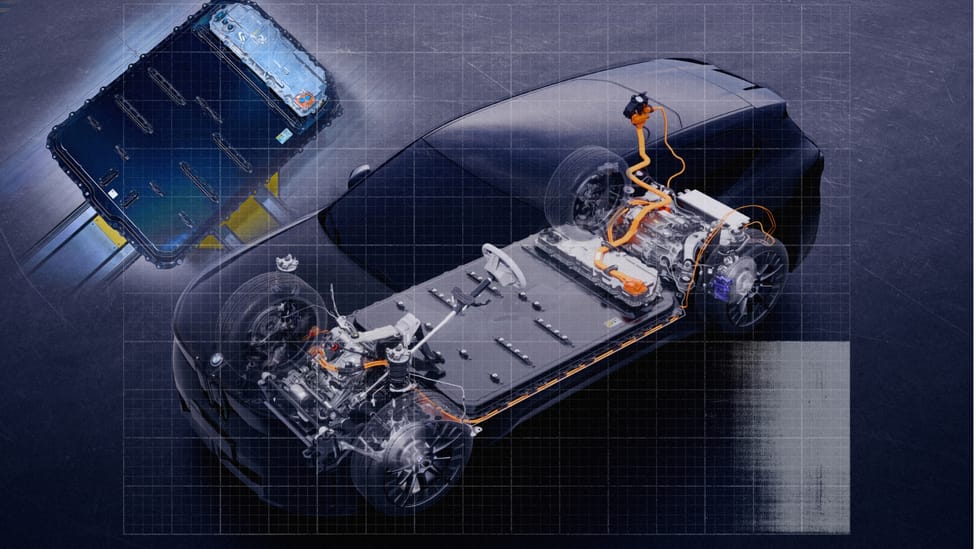
A car uses electrical energy to power one or more motors. A large battery pack stores the energy. When the driver presses the accelerator, the vehicle sends electricity from the battery to the motor. The motor then converts that electrical energy into mechanical power that turns the wheels. This process eliminates the need for a conventional internal combustion engine in a fully electric vehicle.
The system also includes several important electronic components. A power electronics controller manages the flow of electricity and controls motor speed and torque. An onboard charger handles electricity from an external charging source. A thermal management system helps control the temperature of important components. Therefore, several systems work together behind the scenes to deliver smooth and controlled performance.
The Role of the Battery
The battery serves as the energy center of an electric vehicle. Most modern electric vehicles use rechargeable lithium-ion battery technology. The battery stores electrical energy and releases it when the motor needs power. Its size and design affect several aspects of the vehicle, including driving range, weight, performance, and charging requirements.
Battery technology continues to develop. Researchers and manufacturers are exploring improved materials and new battery designs that could provide better performance, longer service life, improved safety, and lower costs. For example, researchers continue to investigate next-generation technologies such as solid-state batteries.
However, battery performance can change with driving conditions. Very hot or very cold temperatures can increase energy use because the vehicle may need additional power for heating or cooling. Aggressive acceleration, high speeds, heavy loads, and steep hills can also reduce driving range.
Understanding Electric Motors
Electric motors give electric vehicles their distinctive driving characteristics. Unlike a gasoline engine, an electric motor can deliver strong torque almost immediately. This allows the vehicle to accelerate smoothly and quickly.
The motor also requires fewer mechanical components than a traditional engine and transmission system. That simpler design can reduce the number of parts that require regular service. However, the vehicle still contains tires, brakes, suspension components, cooling systems, electronics, and other parts that need attention.
Moreover, electric motors operate quietly. Drivers often notice less engine noise during acceleration. As a result, road and tire sounds may become more noticeable, especially at higher speeds.
Regenerative Braking Explained
One of the most interesting features of modern electric vehicles involves regenerative braking. When the driver slows down, the electric motor can work as a generator. It captures some of the vehicle’s kinetic energy and sends that energy back to the battery.
This process helps recover energy that a conventional vehicle would normally lose as heat through its braking system. It can also reduce reliance on friction brakes during some driving conditions. Regenerative braking works especially well in situations that involve frequent slowing and stopping, such as city driving.
Drivers may notice that the vehicle slows down when they release the accelerator. Some models allow drivers to adjust the strength of this effect. However, the exact system and driving modes vary between manufacturers and models of electric car.
Charging Technology
Charging plays an important role in everyday electric vehicle ownership. Drivers can charge their vehicles at home, at workplaces, or at public charging stations. Charging speed depends on several factors. These include the charging equipment, battery capacity, current battery level, and the vehicle’s onboard charging system.
Level 1 charging uses a standard household outlet and generally provides a slower charging rate. Level 2 equipment uses higher-voltage electrical service and can charge a vehicle more quickly. DC fast charging can provide much faster charging and works well during longer journeys.
However, faster charging does not mean every driver needs a high-powered charger at home. Many people can meet their daily driving needs by charging overnight. Therefore, drivers should consider their typical travel distance before choosing a home charging setup.
Smart Software and Vehicle Controls
Modern electric vehicles depend heavily on software. Software controls battery operation, charging, energy distribution, temperature management, driving modes, and many other functions. Manufacturers can also use software updates to improve certain vehicle features after purchase.
Advanced monitoring systems constantly track battery conditions. They can monitor factors such as temperature, voltage, current, and charge level. These systems help manage energy safely and efficiently.
Furthermore, many modern vehicles connect with smartphone applications. Drivers can use these apps to check battery levels, locate charging stations, schedule charging, or control certain vehicle functions remotely.
Range and Energy Efficiency
Driving range remains an important consideration for many buyers. The range of an electric vehicle depends on its battery size, efficiency, driving habits, weather, terrain, and other conditions. Newer models continue to offer a wide range of battery capacities and driving ranges.
Driving habits can make a noticeable difference. Smooth acceleration and moderate speeds generally use less energy than aggressive driving. Extreme temperatures can also reduce range because the vehicle needs additional energy to maintain a comfortable cabin temperature.
For this reason, drivers should consider their normal travel patterns rather than focusing only on the maximum range figure. Someone who mostly drives short daily trips may have very different requirements from someone who regularly takes long highway journeys.
Maintenance and Long-Term Care
An electric car does not need many of the routine services associated with gasoline engines. It does not require traditional engine oil changes, spark plug replacements, or fuel-system maintenance. However, that does not mean owners can ignore maintenance.
Tire condition and pressure remain important. Brake components also need inspection, even though regenerative braking can reduce the use of friction brakes. Battery cooling systems, electrical components, suspension parts, windshield wipers, and other equipment also require attention.
In addition, drivers should follow the manufacturer’s recommendations for battery care and charging. Proper habits can help owners maintain reliable performance over time.
The Future of Electric Vehicle Technology
Electric vehicle technology continues to evolve. Manufacturers and researchers are working on better batteries, improved charging systems, more efficient motors, and smarter software. These developments could make electric transportation more convenient and practical for a wider range of drivers.
Charging infrastructure also continues to expand. At the same time, battery research focuses on improving energy storage, performance, safety, and manufacturing efficiency.
Ultimately, the technology behind electric vehicles involves much more than replacing a gasoline engine with a battery. It combines electrical engineering, battery chemistry, software, thermal management, and advanced motor technology. As these areas continue to develop, electric transportation will continue to change how people think about driving and vehicle ownership.
Final Thoughts
Electric cars technology continues to reshape modern transportation. Better batteries, efficient motors, faster charging systems, and smarter software continue to improve the driving experience. Although electric vehicles still have challenges such as charging access, range concerns, and battery costs, ongoing innovation continues to address these areas.
For drivers, understanding how these systems work can make it easier to choose and use an electric vehicle with confidence. As technology advances, electric transportation will likely become an increasingly important part of everyday mobility.


