
 Written By
 Reflexology is a complementary therapy based on the principle that specific points on the feet, hands, and ears correspond to different organs, glands, and parts of the body.
By applying targeted pressure to these reflex points, practitioners can help restore balance, relieve tension, and promote the body’s natural healing processes.
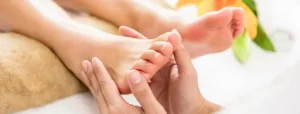
This ancient practice provides a non-invasive means of supporting well-being, making it a highly sought-after skill among holistic therapists and wellness enthusiasts alike.
Understanding the Foundations of Reflexology
Before exploring specific techniques, it is crucial to understand the underlying theory of reflexology. The practice is built on the concept of “zone therapy,” which suggests that the body is divided into ten vertical zones.
Each zone runs from the head to the feet and hands, and every organ and body part is situated within one or more of these zones.
By stimulating the reflex points within a particular zone on the feet or hands, a reflexologist can influence the corresponding area of the body.
For example, the tips of the toes relate to the head and brain, while the arch of the foot corresponds to the digestive organs.
The goal is not to diagnose or cure medical conditions, but to encourage a state of deep relaxation and balance, which allows the body to function optimally.
Key Reflexology Massage Techniques
Professional reflexologists employ a range of specific hand and finger techniques to apply pressure to designated reflex points. Mastering these methods is crucial for delivering an effective and safe session.
- Thumb and Finger Walking
This is the most fundamental technique in reflexology. It involves using the outer edge of the thumb or the tip of a finger to move forward in small, precise increments, much like a caterpillar does.
The practitioner applies firm, even pressure, “walking” across the zones of the foot or hand.
This technique enables systematic coverage of an area, ensuring that all relevant reflex points are stimulated.
- The Hook and Back-Up Technique
When a specific reflex point requires more focused attention, the hook-and-back-up technique is used.
The practitioner uses their thumb or finger to apply deep, targeted pressure to a single point.
The other hand provides support, or “backs up,” the working hand, allowing for greater control and deeper application of pressure without causing strain.
This is particularly useful for addressing areas of congestion or tenderness.
- Rotating on a Point
Rotation is used to stimulate and energise a specific reflex. After applying pressure with the thumb or finger, the practitioner makes small, circular movements on the point.
This technique can help break up crystalline deposits, which are thought to be accumulations of waste products, such as uric acid and calcium, that can form at nerve endings in the feet.
- Sliding and Gliding
For a gentler or more relaxing effect, practitioners use sliding or gliding movements. This involves using the flat pad of the thumb or fingers to stroke smoothly over larger areas of the foot or hand.
This technique is often used at the beginning and end of a session to warm up the tissues and promote overall relaxation. It helps to link different areas together, creating a sense of flow and completeness.
The Benefits of Reflexology
Applying these techniques correctly can lead to a wide range of benefits for the client. As a practitioner, you can help people to:
- Reduce Stress and Anxiety: Reflexology is highly effective in inducing a state of deep relaxation, which helps lower cortisol levels and calm the nervous system.
- Improve Circulation: The pressure applied during a session enhances blood flow to the feet, hands, and the corresponding body parts, delivering more oxygen and nutrients.
- Boost Energy Levels: By stimulating nerve pathways and clearing blockages, reflexology can help to increase vitality and reduce feelings of lethargy.
- Alleviate Pain: Many people seek reflexology for relief from headaches, migraines, and muscular tension. Stimulating specific reflex points can help to release endorphins, the body’s natural painkillers.
- Support Detoxification: The therapy encourages the lymphatic system to work more efficiently, aiding the body in eliminating toxins and waste products.
Developing Your Professional Skills
While understanding the theory is a great start, reflexology is a hands-on discipline that requires proper training and practice to master.
A structured learning environment is the most effective way to develop the sensitivity and precision necessary to become a competent practitioner.
If you are serious about offering this therapy professionally, it is important to find a reputable training provider.
Many people search for ways to enroll in reflexology courses near them to gain accredited qualifications and hands-on experience under the guidance of experienced tutors.
Professional Skills
A professional course will teach you not only the practical techniques but also essential anatomy and physiology, client consultation skills, and the principles of running a therapy business.
Gaining a recognized qualification ensures you can practice safely and effectively, giving your future clients confidence in your abilities.
If you are passionate about holistic health and wish to develop your skills, it is worth considering accredited reflexology courses near you, as this will provide you with the credentials needed for insurance and professional practice.
Conclusion
Reflexology massage techniques offer a powerful yet gentle way to enhance the body’s innate healing capabilities.
By mastering thumb walking, rotation, and other specialized methods, you can help clients achieve deep relaxation, relieve pain, and improve their overall sense of well-being.
Learning these skills extends beyond a simple massage; it involves understanding the intricate connections within the body and using targeted touch to promote balance and overall health.
For anyone looking to add a profound and effective therapy to their skill set, investing in professional reflexology training is a rewarding step towards a fulfilling practice.