

 Written By
 Embarking on a fitness journey may seem thrilling, yet it can also appear overwhelming. You may want to become stronger, improve your stamina, lose some weight, or simply feel more energetic. However, trying to achieve everything at once can make your routine difficult to maintain. A better approach involves starting slowly and creating realistic targets that match your current abilities.
Fitness goals can give your workouts direction. They help you understand what you want to achieve and give you a reason to stay consistent. You do not need an advanced workout plan to begin. Instead, focus on simple actions that you can repeat each week. As your confidence grows, you can gradually increase the challenge.
Start With a Clear Goal
Before you begin exercising, think about what you actually want to accomplish. Your goal should feel meaningful to you. Perhaps you want to walk without getting tired, build strength, improve flexibility, or feel more comfortable during everyday activities.
Avoid choosing a goal simply because someone else follows it. Everyone has different needs, schedules, preferences, and starting points. A friend may enjoy running long distances, while you may prefer walking or strength exercises.
Also, keep your first goal simple. Instead of saying that you want to become extremely fit, choose something specific. For example, you could aim to exercise three times each week. A clear target gives you something practical to work toward.
Focus on Consistency First
Beginners often make the mistake of exercising too much too soon. They may work out every day during the first week and then feel exhausted or discouraged. Therefore, focus on consistency rather than intensity when you start.
Begin with a manageable schedule. You might exercise for 20 to 30 minutes several days each week. If that feels comfortable, gradually add more time or increase the difficulty.
Consistency helps you create a habit. Once exercise becomes part of your normal routine, you may find it easier to continue. You do not need to have a perfect week every time. Simply return to your routine after a missed session.
Improve Your Strength
Strength represents an important part of overall fitness. Stronger muscles can help you perform everyday activities with greater ease. They can also support movement, balance, and physical function.
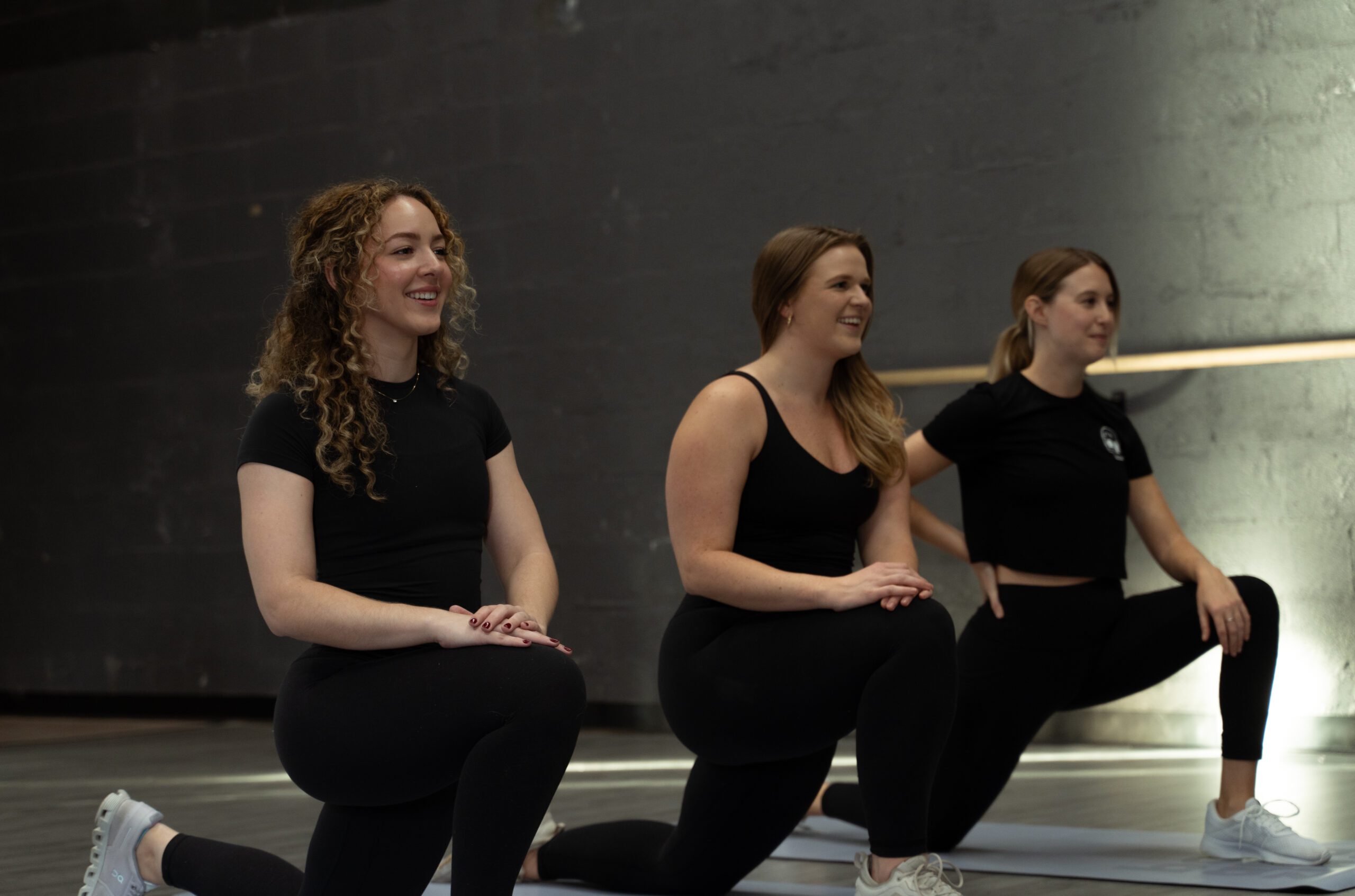
Beginners can start with simple bodyweight exercises. Squats, wall push-ups, lunges, glute bridges, and basic core exercises can provide a useful starting point. Focus on controlled movements instead of trying to lift heavy weights immediately.
As you become more comfortable, you can add resistance bands, dumbbells, or other forms of resistance. Increase the challenge gradually. If an exercise causes pain or feels unsafe, stop and seek guidance from a qualified fitness professional.
Build Better Endurance
Endurance allows you to stay active for longer periods without becoming overly tired. Improving your endurance can make activities such as walking, climbing stairs, cycling, and recreational sports easier.
Start with activities that feel manageable. Take brisk walks around your neighborhood or use a stationary bike at a comfortable pace. You can gradually increase your workout time as your fitness improves by Fitness Goals.
You can also use short intervals. Walk at a normal pace for a few minutes, then increase your speed for a shorter period. Repeat the pattern throughout your workout. This approach can add variety without requiring an advanced training program.
Work on Flexibility and Mobility
Flexibility and mobility can help you move comfortably. Beginners often focus only on strength or cardio, but movement quality also matters. Therefore, include gentle mobility exercises in your routine.
Try simple stretches for your legs, hips, shoulders, and back. You can also practice controlled movements that take your joints through comfortable ranges of motion.
Do not force your body into positions that cause pain. Instead, move slowly and stay within a comfortable range. A few minutes of regular stretching can become an easy addition to your fitness routine.
Set Short-Term Targets
Long-term goals can keep you focused, but short-term targets can make progress easier to see. Break a larger objective into smaller steps. For example, if you want to exercise regularly, start by completing three workouts each week.
You can also set targets based on time, distance, repetitions, or consistency. Perhaps you want to walk for 30 minutes without stopping. Maybe you want to complete a certain number of bodyweight exercises with good form.
These smaller milestones can provide motivation. Each achievement shows you that your effort is producing progress. As a result, you may feel more confident about taking the next step.
Track Your Progress
Keeping track of your workouts can help you understand your habits. You can write down the exercises you complete, how long you exercise, or how you feel afterward. A simple notebook or phone note can work well.
Tracking also helps you recognize improvements that you might otherwise overlook. You may notice that you walk farther, recover faster, or complete more repetitions than you did several weeks ago.
However, do not let numbers control your entire fitness journey. Progress can happen in many ways. Better energy, improved confidence, easier movement, and greater consistency all represent meaningful achievements.
Choose Activities You Enjoy
You are more likely to continue an activity when you actually enjoy it. Therefore, experiment with different forms of exercise instead of forcing yourself to follow one specific workout by Fitness Goals.
Try walking, swimming, cycling, dancing, yoga, hiking, strength training, or recreational sports. You can also exercise at home if you prefer privacy or convenience.
Your fitness routine should fit your lifestyle. If you dislike crowded gyms, you do not need to join one. If you enjoy exercising with friends, invite someone to join you. Finding an enjoyable approach can make staying active feel much easier.
Give Your Body Time to Recover
Exercise challenges your body, so recovery matters. Beginners sometimes think that more workouts always produce better results. However, your body needs time to rest and adapt.
Include rest days in your schedule. Get enough sleep and eat nutritious meals that support your activity. Pay attention to unusual pain, extreme fatigue, or other concerning symptoms.
You can still stay lightly active on rest days. Gentle walking or stretching may feel comfortable for many people. However, avoid pushing yourself when your body clearly needs recovery.
Stay Patient With Your Progress
Fitness changes rarely happen overnight. You may notice some improvements quickly, while others take much longer. Therefore, avoid judging your progress too soon.
Focus on what you can control. Show up for your workouts, follow a realistic schedule, eat nutritious foods, and give yourself enough time to recover.
You will probably have difficult days. You may miss workouts or feel less energetic than usual. That does not mean you have failed. Simply return to your routine and continue moving forward.
Make Fitness a Long-Term Habit
Fitness goals work best when they support habits that you can maintain. Instead of chasing quick results, create a routine that fits your everyday life. Start with manageable workouts and increase the challenge gradually.
Remember that your fitness journey belongs to you. You do not need to match someone else’s pace or appearance. Your goal should involve becoming healthier, stronger, and more capable in ways that matter to you.
Final Thoughts
Fitness goals can help beginners create direction and stay motivated. Start with clear targets, focus on consistency, and gradually improve strength, endurance, flexibility, and mobility. Most importantly, choose activities that you enjoy and give your body enough time to recover.
Progress does not require perfection. Small efforts can create lasting changes when you repeat them consistently. Be patient with yourself, celebrate meaningful improvements, and adjust your routine as your needs change. With the right approach, exercise can become a natural and rewarding part of your lifestyle.


