
 Written By
  Reviewed By Kendall Carter
Introduction
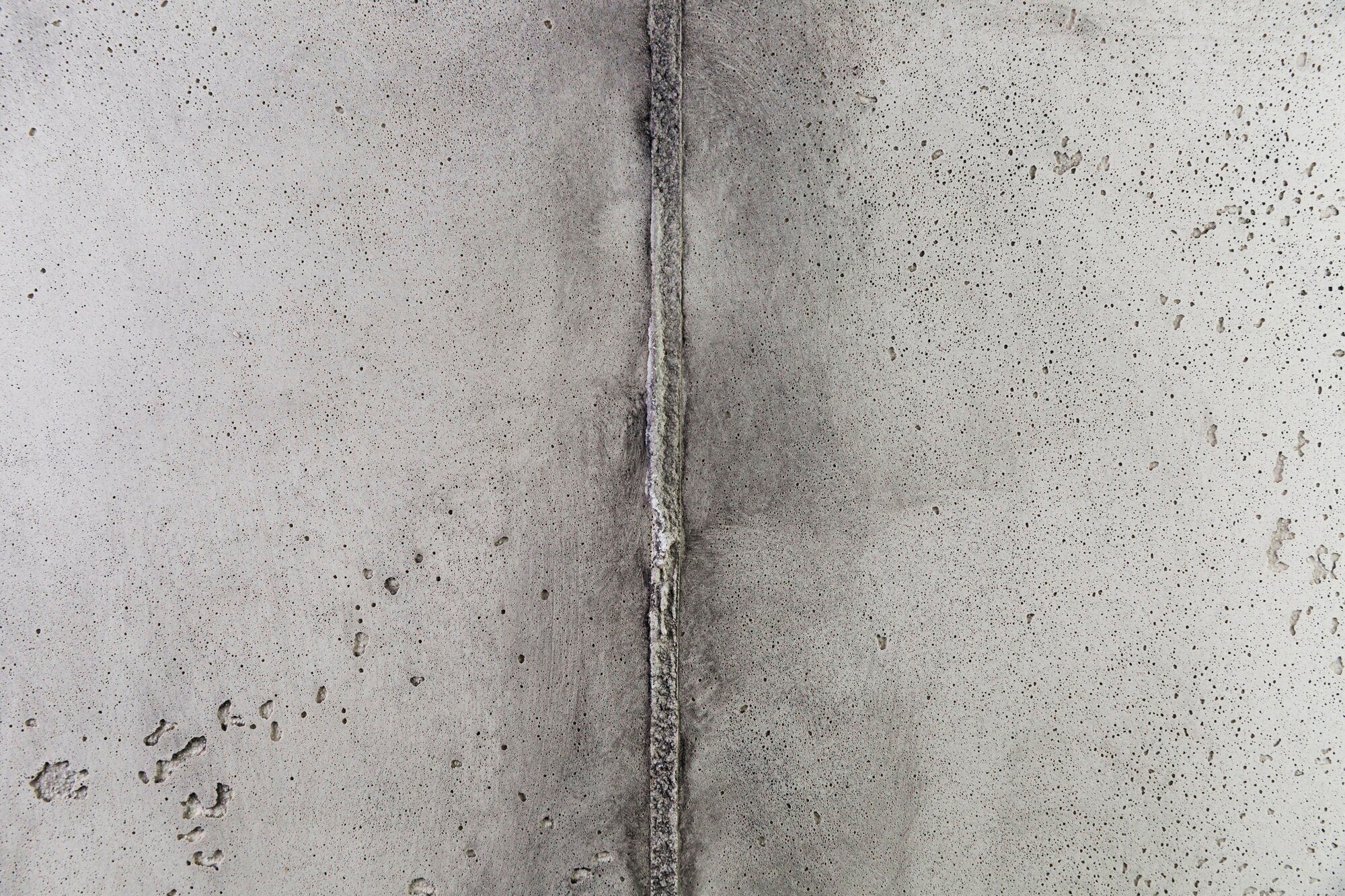
Concrete makes our daily lives smoother from driveways and patios to warehouse floors. But when cracks, chips, or uneven spots appear, things can get dangerous and unsightly faster than you think. In this blog, we’ll explore common concrete problems, how professionals tackle them, and why timely repairs are key to avoiding bigger costs.
Repairing Scratched Wood Surfaces
Why It Matters
Wood floors, cabinets, and furniture are vulnerable to scratches from pets, moving furniture, or everyday use. Even small nicks can collect dirt and moisture, leading to deeper damage over time.
Quick Fixes
- Walnut Rub: Rub the flesh of a walnut over light scratches. The natural oils blend with wood grain and mask minor marks.
- Wood Marker or Crayon: Match the color of your wood with a touch-up marker or wax crayon (available at hardware stores). Fill the scratch, then wipe away excess.
- Olive Oil & Vinegar: Mix equal parts, apply with a soft cloth, and buff. This cleans the wood and camouflages small scratches.
Prevention Tips
- Use felt pads under furniture legs.
- Trim pet nails regularly.
- Place area rugs in high-traffic zones.
Regrouting and Sealing Tile
Why It Matters
Grout between tiles can crack, stain, or crumble from moisture and wear. Damaged grout lets water seep behind tiles, leading to mold and loose tiles.
Quick Fixes
- Grout Cleaner: Remove stains with a baking soda and water paste. Scrub gently with an old toothbrush.
- Grout Repair Pen: For small hairline cracks, a grout pen can recolor and seal in one step.
- Regrouting: For larger areas, remove old grout with a grout saw. Mix new grout per package instructions, apply with a float, and wipe clean. Seal with a clear grout sealer after 48 hours.
Prevention Tips
- Wipe down tile walls after showers.
- Ventilate bathrooms to reduce humidity.
- Reapply grout sealer annually.
Patching Nail Holes and Small Cracks in Drywall
Why It Matters
Drywall nail holes and hairline cracks are normal as a home settles. If ignored, cracks can widen, and walls lose their smooth appearance.
Quick Fixes
- Spackling Compound: Fill holes and cracks with lightweight spackle using a putty knife. Smooth flush, let dry, then sand lightly.
- Touch-Up Paint: Keep a small can of your wall color for spot painting. Use a small artist’s brush for precision.
- Drywall Repair Kit: For larger holes (over ½ inch), use a patch kit that includes a mesh patch and joint compound.
Prevention Tips
- Avoid hanging heavy items without proper anchors.
- Control indoor humidity to prevent expansion and contraction.
- Inspect walls annually for new cracks.
What Causes Concrete to Fail
Concrete seems tough, but it’s vulnerable to several factors:
- Water: Rain and freeze/thaw cycles cause tiny cracks that expand over time.
- Shifts in soil: Clay-rich ground—like that found around St. Louis can shift dramatically with moisture changes.
- Wear and Pressure: Heavy traffic or parked vehicles can stress surfaces.
- Age and Weather: UV rays, debris, and general weathering degrade surfaces slowly.
Signs You Shouldn’t Ignore
Watch for these red flags:
- Cracks across driveways, sidewalks, or floors
- Sections that have sunken or tilted
- Spots that collect water after rain
- Broken or flaking surfaces
If ignored, these problems can worsen, affecting safety and aesthetics in your home or business.
Repair Strategies That Work
Concrete damage can be remedied in several smart ways:
- Crack injections: Epoxy or foam seals prevent water infiltration and reinforce the structure.
- Polyurethane slab lifting: Foam injected beneath settled slabs lifts and stabilizes them without mess.
- Overlay or resurfacing: A thin cement topcoat restores appearance on worn slabs.
- Spot replacement: In cases of severe damage, sections can be removed and re-cast.
Benefits of Early Repair
1. Addressing issues early can save money and effort
- Eliminates tripping hazards and safety liability
- Preserves curb appeal and resale value
- Avoids deeper issues like water intrusion or structural shifting
- Delivers a clean, fresh look with minimal disruption
2. What a Typical Repair Process Looks Like
- Inspection to identify causes and assess soil and moisture conditions
- Repair quote and plan detailing methods and timeline
- Execution, whether injecting foam, resurfacing, or replacing slabs
- Post-repair sealing and cleanup
- Walkthrough, showing you the results and recommended care steps
3. Maintenance Tips to Keep It Right
- Reseal cracks every few years
- Clean and maintain drainage systems around concrete
- Direct downspouts away from slabs
- Avoid parking heavy equipment where possible
Conclusion
Concrete issues don’t have to lead to costly replacements. Repairing cracks, lifting settled slabs, or resurfacing worn spots is often quicker, cleaner, and more economical especially for homeowners and business owners in need of reliable concrete repair in St. Louis.
By fixing everyday surfaces at the first sign of trouble—scratches, cracks, rust, and loose boards—you protect your home’s beauty and structural integrity. Simple DIY solutions like spackling compound, touch-up markers, vinegar soaks, and grout repair kits go a long way. Pair these quick fixes with a proactive maintenance plan to keep small issues from turning into expensive repairs. With regular inspections, seasonal tasks, and basic supplies on hand, you’ll maintain a comfortable, attractive home that stands up to daily wear and tear. Start today and enjoy a safer, more inviting living space for years to come.