

 Written By
  Reviewed By Ariyah Carter
Introduction
Home design is always evolving. In 2025, you’ll see two styles shine: minimalism home design and maximalism decor. Minimalism focuses on clean lines, simple colors, and open spaces. Maximalism, by contrast, celebrates bold patterns, bright hues, and rich textures. Whether you love a calm, uncluttered look or a vibrant, layered feel, this year’s home design trends 2025 offer ideas for every taste. In this article, we explore these styles and other rising trends, with practical tips to update your space in easy, budget‑friendly ways.
The Rise of Minimalism Home Design
Minimalism remains popular because it brings calm and order to our busy lives. Here’s what to watch for:
1. Clean Lines and Simple Shapes
Minimalist rooms use straight edges, flat surfaces, and basic forms. Furniture often has low profiles and hidden storage. This keeps rooms feeling open and airy.
2. Neutral Color Palettes
Soft whites, greys, and beiges dominate. Accents in black or muted pastels add interest without overwhelming the eye. A single wooden or metal element can lend warmth and contrast.
3. Decluttered Spaces
Minimalism is about quality over quantity. One statement piece—a sleek sofa or sculptural lamp—replaces multiple small items. Clear countertops and empty wall space reinforce a sense of calm.
4.Natural Materials
Wood, stone, linen, and cotton bring life to minimalist rooms. A reclaimed‑wood coffee table or stone tile floor connects indoor spaces with the outdoors.
Embracing Maximalism Décor
If minimalism feels too plain, maximalism lets you play. This trend encourages self‑expression through color and pattern.
1. Bold Color Combinations
In 2025, designers mix jewel tones—emerald green with ruby red, or sapphire blue with mustard yellow. Walls, rugs, and furniture wear these vivid hues proudly.
2. Layered Textures
Velvet throw pillows on a leather couch, silk curtains over patterned wallpaper, and a shag rug under a glass coffee table—maximalism stacks textures to create cozy, dynamic spaces.
3. Eclectic Art and Decor
Gallery walls filled with art in different frames, mismatched ceramics on shelves, and vintage finds from thrift shops all add personality. The key is to curate objects that tell your story.
4. Mix‑and‑Match Patterns
Stripes, florals, geometrics, and animal prints appear together. To keep it from looking chaotic, use a repeating accent color across patterns—like coral or teal—to tie everything together.
Biophilic Design: Bringing Nature Indoors
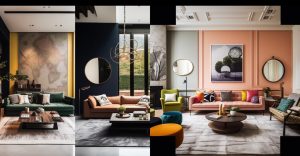
Both minimalism and maximalism can benefit from biophilic touches. This trend involves adding living plants and natural elements to your home.
- Indoor Plants: Pothos, snake plants, and fiddle‑leaf figs clean air and lower stress. Display them in simple pots for minimalism or colorful baskets for maximalism.
- Natural Light: Maximize daylight with sheer curtains or skylights. Light feeds both plants and people, making spaces feel healthier.
- Organic Shapes: Furniture and decor that mimic leaves, branches, or pebbles soften straight lines and add visual interest.
Integrating plants and natural light creates a fresh, uplifting atmosphere no matter your style.
Smart and Sustainable Features
In 2025, home design also embraces technology and eco‑friendly choices.
1. Energy‑Efficient Lighting
LED bulbs in minimalist track lighting or vintage filament styles save power while offering warm, tunable light. Smart switches let you adjust brightness and color temperature from your phone.
2. Recycled and Upcycled Materials
Sustainable rugs made from recycled plastics, chairs built from reclaimed wood, and accessories repurposed from old fabrics are both eco‑friendly and stylish.
3. Smart Home Integration
Voice‑controlled thermostats, motorized window shades, and app‑linked security cameras add convenience. In a minimalist room, hide devices behind sleek panels. In a maximalist space, show them off as part of the décor.
Statement Ceilings and Floors
Designers are shifting focus away from walls and onto ceilings and floors.
1. Painted and Wallpapered Ceilings
A bold ceiling in deep navy or a ceiling‑only wallpaper mural draws the eye upward. In minimalist spaces, a single accent color creates surprise. In maximalist rooms, a florals‑and‑birds scheme turns the ceiling into another art wall.
2. Decorative Floor Treatments
Terrazzo tiles, geometric wood inlays, and patterned concrete floors offer a strong foundation. Add a solid rug for minimalism or a Persian‑style rug for maximum impact.
Flexible and Multi‑Use Spaces
As remote work and hybrid lifestyles continue, homes need to adapt.
1. Fold‑Away Furniture
Desks that fold into walls, murphy beds with built‑in desks, and sofa beds make rooms multifunctional. In minimalism, hide these features completely. In maximalism, treat them as design highlights.
2. Zoning With Rugs and Shelves
Divide a large living area into work, play, and rest zones. Use different rug patterns or open shelving units to create visual boundaries without building walls.
Personal Touches and Storytelling
Ultimately, the best home design reflects the people who live there.
- Travel Souvenirs: Display postcards, textiles, or ceramics from trips.
- Family Photos: Frame favorite memories in minimalist frames or colorful, eclectic frames to suit your style.
- DIY Art: Paintings, crafts, or handmade textiles add a unique, personal flair.
Embrace the things you love. Whether you favor empty space or rich abundance, infusing your personality turns a house into a home.
Conclusion
The home design trends 2025 show that both minimalism home design and maximalism decor can coexist and even blend. Clean lines, neutral palettes, and natural materials offer calm focus. Bold colors, layered textures, and curated collections bring warmth and energy. Add biophilic elements, smart sustainable features, and creative zoning to make your home future‑ready. Whether you choose simplicity or abundance, the key is to create a space that feels true to you. With these trends in mind, you can refresh your home for a fit, stylish, and welcoming environment in 2025 and beyond.