
 Written By
  Reviewed By Tyler Angel
Introduction
Becoming a successful game developer means more than writing code. It requires creativity, teamwork, and a deep understanding of player needs. Fortunately, experts at Gaming News Network have shared their best game developer insights to help you on this journey. Whether you’re just starting or looking to level up your skills, these game development tips will guide you through trends, tools, and career advice. Get ready to learn from those who watch the industry closely and know what it takes to build games that captivate audiences worldwide.
The Role of a Game Developer
A game developer wears many hats. You might write code one day, design levels the next, and test gameplay after that. Here are key responsibilities:
- Coding and Programming: Writing scripts in languages like C++, C#, or Python to make game mechanics work.
- Design and Storytelling: Crafting engaging levels, characters, and narratives that keep players hooked.
- Art and Animation: Collaborating with artists to integrate visuals, from concept art to final animations.
- Testing and Quality Assurance: Playing early builds to find bugs and suggest improvements.
- Collaboration: Working with producers, designers, artists, and sound engineers to bring the game vision to life.
By blending technical skills with creative vision, game developers shape every aspect of a player’s experience.
Why Expert Insights Matter
In a fast-moving field, it helps to learn from those who track every new engine, trend, and success story. Gaming News Network experts analyze industry data, interview leading developers, and attend major conferences. Their insights can help you:
- Stay Ahead of Trends: Understand emerging genres, platforms, and player behaviors.
- Avoid Common Pitfalls: Learn lessons from failed launches and post-mortem reports.
- Adopt Best Practices: Discover proven workflows for agile development, live ops, and player feedback loops.
Tapping into expert knowledge saves you time and steers your efforts in the right direction.
Current Trends in Game Development
Gaming News Network experts highlight several key trends shaping the industry today:
1. Live Service and Games-as-a-Service (GaaS)
- Continuous Updates: Developers release regular content patches and events to keep players engaged.
- Monetization Strategies: Cosmetic cosmetics and battle passes offer steady revenue without harming gameplay balance.
2. Cross-Platform Play
- Unified Player Base: Titles like “Fortnite” and “Rocket League” let friends play together across consoles, PC, and mobile.
- Technical Challenges: Networking code must handle different input methods and performance capabilities.
3. Artificial Intelligence (AI) and Machine Learning
- Smarter NPCs: Enemies learn from player actions, creating dynamic challenges.
- Procedural Content: AI generates levels, items, or dialogue, reducing manual workload and increasing replay value.
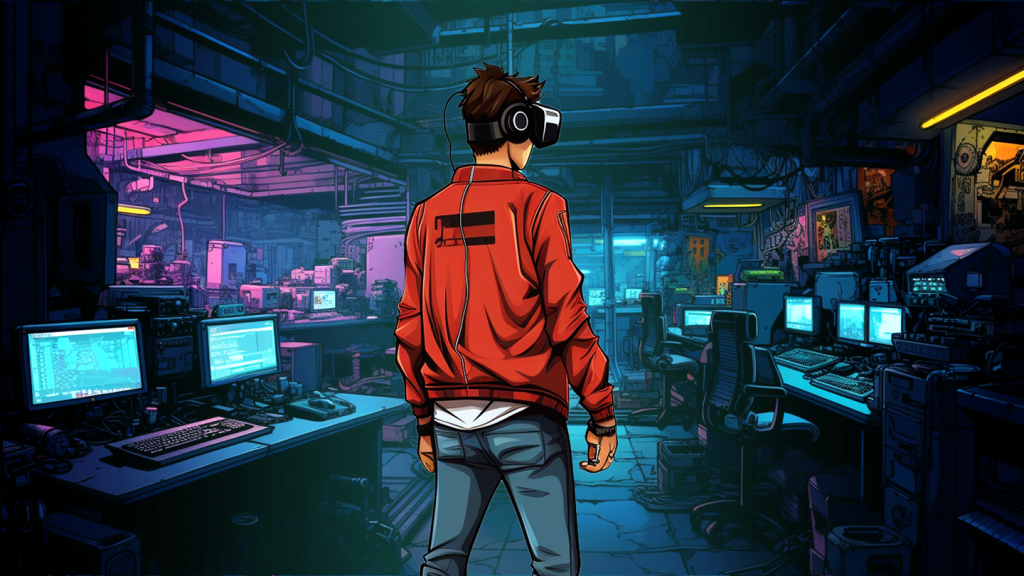
4. Virtual Reality (VR) and Augmented Reality (AR)
- Immersive Experiences: VR headsets transport players into new worlds, while AR overlays digital objects onto the real world.
- Design Considerations: Developers must manage motion sickness, intuitive controls, and comfortable play sessions.
By following these trends, you can align your projects with player expectations and industry demand.
Advice from Gaming News Network Experts
Experts from Gaming News Network share these game development tips for aspiring and seasoned developers alike:
Focus on Core Mechanics
“Great games start with simple, fun ideas,” says senior editor Maria Lopez. “Your core mechanic—whether it’s shooting, puzzle-solving, or exploration—should feel polished before adding extras.”
Embrace Player Feedback
“Open playtests help identify pain points early,” advises lead reviewer Jamal Edwards. “Don’t wait for launch; engage with your community to refine balance and controls.”
Build a Strong Portfolio
“Employers look for real examples,” notes careers columnist Aisha Patel. “Create small projects that showcase your programming, design, and artistic skills. A polished prototype can open doors.”
Master Your Tools
“Learn industry-standard engines like Unity or Unreal Engine 5,” recommends technical analyst Ravi Kumar. “Understand the asset pipeline, scripting systems, and optimization tricks to stand out.”
Network Actively
“Attend conferences and join online forums,” encourages community manager Li Wei. “Connections with mentors, peers, and recruiters accelerate your career growth.”
These pointers reflect lessons drawn from dozens of interviews and deep analysis of successful studios.
Essential Tools and Technologies
To put expert advice into practice, equip yourself with the right tools:
- Game Engines:
- Unity: Easy to learn, vast community, ideal for 2D and 3D.
- Unreal Engine 5: Cutting-edge graphics, strong for AAA-quality projects.
- Version Control:
- Git: Track changes, collaborate with teams, and revert mistakes.
- Perforce: Handles large binary assets often found in game development.
- Art and Animation:
- Blender: Free, open-source 3D modeling and animation.
- Adobe Photoshop: Industry standard for 2D textures and UI assets.
- Project Management:
- Jira or Trello: Plan sprints, assign tasks, and monitor progress.
- Slack or Discord: Real-time communication and file sharing.
- Testing and Analytics:
- TestRail or TestFlight: Manage test cases and beta deployments.
- Unity Analytics or Firebase: Track player behavior, retention, and monetization.
Investing time in mastering these tools will streamline your development process and match industry workflows.
Building a Career in Game Development
Breaking into the industry can feel daunting, but experts point to these steps:
- Education and Self-Study:
- Degrees and Bootcamps: Formal programs teach fundamentals and offer networking.
- Online Courses: Platforms like Coursera or Udemy cover specific engines and languages.
- Personal Projects:
- Game Jams: Time-limited events challenge you to create complete prototypes in days.
- Modding Communities: Modify existing games to learn level design and scripting.
- Internships and Entry-Level Roles:
- Quality Assurance Tester: A common starting point to learn pipelines and game structure.
- Junior Designer or Programmer: Support senior staff on real titles and build your resume.
- Portfolio Development:
- Showcase Variety: Include examples of gameplay, art integration, and UI work.
- Highlight Teamwork: Describe your role, collaboration tools used, and outcomes.
Persistence matters. The more you learn and share your work, the closer you get to your dream role.
The Future of Game Development
Gaming News Network experts point toward exciting horizons:
- Cloud Gaming: Services like Xbox Cloud Gaming and NVIDIA GeForce Now remove hardware limits.
- User-Generated Content: In-game editors let players create and monetize their own levels.
- Metaverse Experiences: Connected virtual worlds offer new storytelling and social interaction methods.
- Sustainable Development: Green coding practices and ethical monetization models gain priority.
Staying curious and adaptable will help you thrive amid these shifts.
Conclusion
Game development blends art, technology, and a passion for play. Insights from Gaming News Network experts reveal that success comes from focusing on core mechanics, mastering industry tools, and engaging with your community. By following game developer insights like thorough playtesting and building a strong portfolio, you’ll navigate this dynamic field with confidence. Remember, every expert started with a first prototype. Keep learning, creating, and networking—and soon you’ll contribute to the next wave of unforgettable gaming experiences. The world of game development awaits your unique vision and talent.


