
 Written By
  Reviewed By Sarai Blaire
Introduction
Imagine students excited to solve math problems because they earn points, badges, and rewards just like in their favorite video games. That’s the power of gamification in education. By adding game elements—points, leaderboards, and challenges—to lessons, teachers can turn routine tasks into fun, motivating experiences. Gamified learning boosts student engagement, fosters healthy competition, and helps learners master tough concepts. In this article, we’ll explore the benefits of gamification, real-world examples, tools you can use, and practical tips for designing effective game-based learning activities in any classroom.
What Is Gamification in Education?
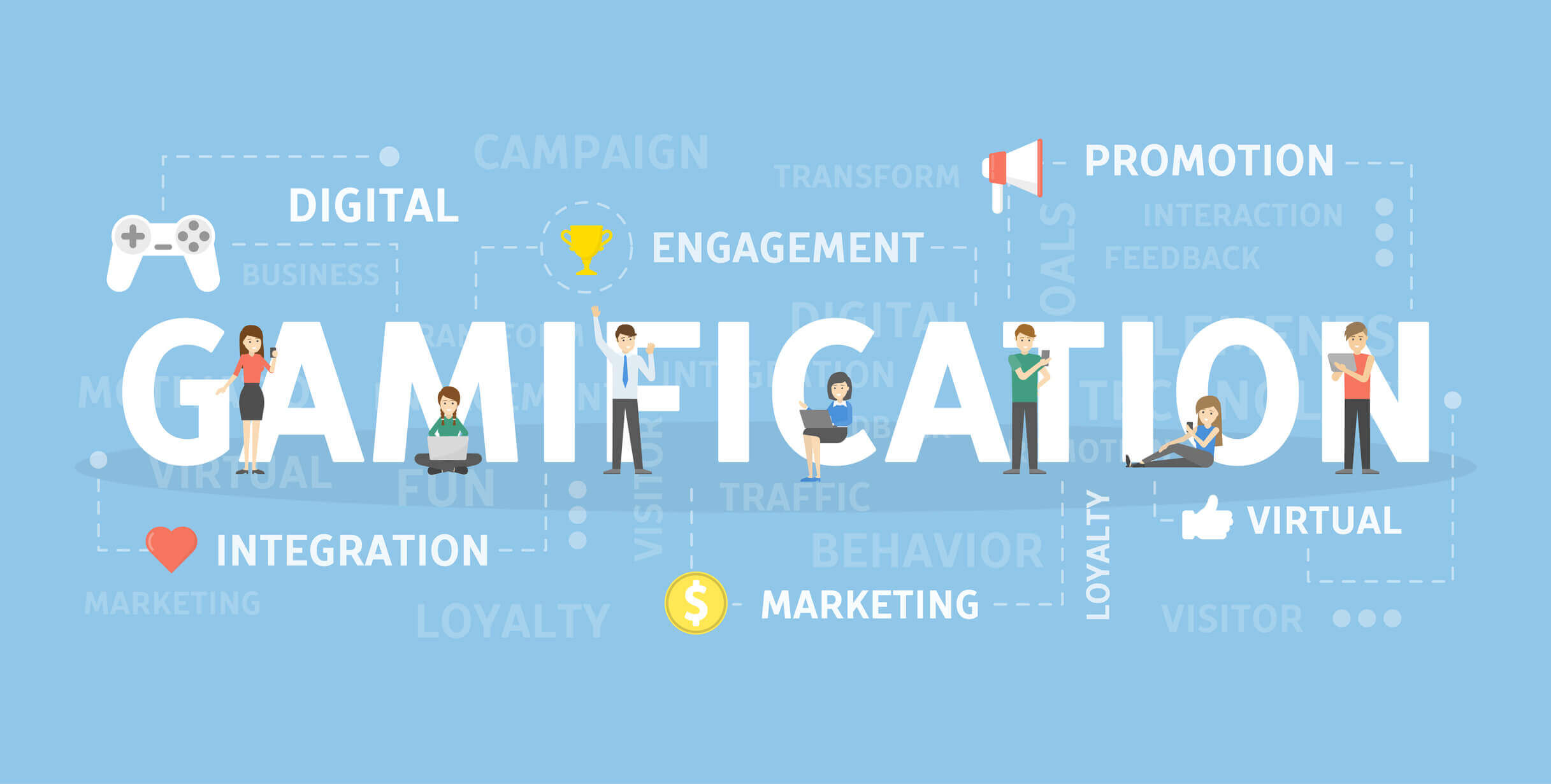
Gamification means using game-like features in non-game settings. In schools, that can include:
- Points and Scores: Students earn points for correct answers or completing tasks.
- Badges and Awards: Visual rewards for achievements, such as “Math Master” or “Reading Rockstar.”
- Leaderboards: Public displays of top performers to encourage friendly competition.
- Levels and Progress Bars: Milestones that show how far students have come and what’s next.
- Storylines and Quests: Narrative structures that guide learners through topics like chapters in a video game.
These elements make lessons more interactive and keep students motivated to reach goals.
Benefits of Gamification in Education
1. Increased Motivation
Game elements tap into students’ intrinsic desire for achievement. Earning points and badges makes them eager to participate.
2. Better Engagement
Interactive challenges hold students’ attention longer than lectures. Lessons become active learning sessions where students explore and solve problems.
3. Immediate Feedback
Games provide instant responses—students know right away if an answer is correct, helping them learn from mistakes.
4. Confidence Building
As learners unlock levels or earn badges, they gain confidence in their skills, reducing math or reading anxiety.
5. Collaboration and Competition
Group quests foster teamwork, while leaderboards encourage friendly rivalry, both essential for social learning.
Examples of Gamification in the Classroom
1. Kahoot! Quizzes
Teachers create multiple-choice quizzes that students answer in real time using smartphones. Points and fast response times earn higher scores.
2. Classcraft
This platform turns classroom management into a role-playing game. Students form teams, earn experience points, and work together to overcome academic “bosses.”
3. Duolingo for Schools
Language learners complete short, game-like lessons, earning hearts for correct answers and losing them for mistakes, fueling practice and mastery.
4. Minecraft: Education Edition
Students build historical landmarks or simulate scientific experiments in a 3D world, applying concepts from history, math, and science in a creative environment.
Tools for Gamification in Education
- Quizizz: Self-paced quizzes with memes and themes students love.
- Seesaw: Digital portfolios where students earn badges for completed assignments.
- ClassDojo: Behavior management with points and virtual pet monsters that grow as classes succeed.
- Blooket: Game modes like “Tower Defense” or “Café” where quiz questions fuel gameplay.
- Google Classroom Add-ons: Extensions like Classcraft and STEM-related game templates.
Each tool offers templates and analytics to track student progress and adjust lessons.
Designing Effective Gamified Lessons

1. Define Clear Learning Objectives
Start with what students should know or be able to do. Align game tasks with those goals to ensure learning stays on track.
2. Choose Appropriate Game Elements
Not every lesson needs every game feature. Use points for practice drills, badges for skill mastery, and leaderboards sparingly to avoid demotivation.
3. Balance Challenge and Skill
Follow the “flow” model: tasks should be challenging but achievable. Too easy and students get bored; too hard and they get frustrated.
4. Provide Regular Feedback
Use in-game messages or announcements to highlight successes and guide improvements, keeping students informed about their progress.
5. Encourage Reflection
After game sessions, ask students to discuss what they learned, how they succeeded, and where they struggled to deepen understanding.
Overcoming Common Challenges
1. Avoid Overemphasis on Competition
Leaderboards can demoralize lower-performing students. Consider rotating leadership boards or using team-based scoring.
2. Ensure Accessibility
Design games that all students can access, including those with disabilities. Provide alternative ways to earn points or complete tasks.
3. Prevent Distraction
Gamified lessons should focus on learning outcomes, not just fun. Keep game narratives tightly tied to educational content.
4. Maintain Work-Life Balance
Limit game-based homework to prevent screen fatigue. Encourage offline reflection or group activities that extend learning beyond devices.
Case Study: Gamification Success at Lincoln Middle School
At Lincoln Middle School in Seattle, teachers introduced a month-long “History Quest” for eighth graders:
- Storyline: Students joined a time-traveling adventure to solve historical mysteries.
- Tasks: Each lesson unlocked a new “era,” and students completed quizzes and creative projects to earn artifacts.
- Rewards: Classwide leaderboards, individual badges, and a culminating “Museum Day” exhibit.
Results:
- Engagement: Classroom participation rose by 45%.
- Achievement: Test scores improved by 20% compared to the prior term.
- Feedback: 90% of students reported feeling more excited about history lessons.
Lincoln’s success demonstrates how thoughtful gamification boosts both engagement and learning.
Assessing Impact and Measuring Success
1. Data Analytics
Use built-in analytics in gamification platforms to track metrics like accuracy, completion times, and participation rates.
2. Surveys and Feedback
Collect student and parent feedback on enjoyment, perceived learning, and areas for improvement.
3. Performance Comparisons
Compare test scores and assignment grades before and after implementing gamification to gauge academic impact.
4. Long-Term Tracking
Monitor retention of knowledge and skills over months to see if gamified learning yields lasting benefits.
Future Trends in Gamification
1. Adaptive Learning Paths
AI-driven platforms will personalize challenges based on each student’s pace and mastery, optimizing learning journeys.
2. Virtual and Augmented Reality
Immersive VR and AR experiences will transport students to historical sites, science labs, or literary worlds for hands-on exploration.
3. Blockchain Badges
Secure, transferable digital badges on blockchain could validate skills across schools and districts, supporting lifelong learning records.
4. Gamified Career Preparation
Simulated workplaces and project-based challenges will prepare students for real-world careers through game-inspired training modules.
Conclusion
Gamification in education transforms lessons into engaging, interactive experiences that boost student motivation, participation, and learning outcomes. By using game elements like points, badges, and storylines, teachers can create lessons that feel less like work and more like play. Tools such as Kahoot!, Classcraft, and Minecraft: Education Edition make it easy to add game mechanics. Effective design focuses on clear objectives, balanced challenge, and regular feedback. While challenges like over-competition and screen fatigue require careful management, successful case studies show gamification’s power to excite learners. As technology advances, gamified learning will only become more personalized and immersive, shaping the future of education.