

 Written By
 Gaming has grown far beyond a hobby. It now influences entertainment, social interaction, technology, and even popular culture. Millions of people play games, watch gaming content, follow creators, and participate in online communities every day.
At the same time, the gaming world keeps changing. New technologies create fresh experiences. Players also change how they discover, play, and discuss games. As a result, gaming has become a constantly moving cultural space.
In 2026, several trends stand out. User-generated content, livestreaming, esports, artificial intelligence, cross-platform play, and online communities continue to reshape the industry. Together, these developments show how gaming culture has become more social, creative, and interactive.
Gaming Has Become a Social Experience
Gaming once focused mainly on individual play. Today, many players see games as places to socialize. They meet friends, join communities, communicate through voice chat, and compete with people around the world.
Multiplayer games have helped drive this change. Players can form teams and build friendships without meeting in person. Some communities remain active for years because members share interests beyond a single game.
Social platforms have strengthened this connection. Players often use Discord, Reddit, YouTube, and other online spaces to discuss games. They share strategies, funny moments, updates, and personal experiences. Therefore, the conversation around a game can continue even after players leave the game itself.
Livestreaming Has Changed How People Enjoy Games
Watching someone play has become an important part of gaming entertainment. Platforms such as Twitch and YouTube allow creators to build large communities around live gameplay.
This trend continues to grow. Twitch reported more than 8.6 billion hours of gaming content watched between January and September 2026. The platform also highlighted strong communities around games such as League of Legends, Fortnite, Minecraft, GTA V, and VALORANT.
However, viewers do not always watch streams for gameplay alone. They often follow creators because of their personalities. A streamer may entertain viewers, explain strategies, react to events, or simply create a relaxed place to spend time. As a result, creators now play an important role in how players discover new games and communities.
User-Generated Content Is Growing
Another major trend involves players becoming creators. User-generated content allows people to build maps, characters, challenges, stories, and entire gaming experiences. Platforms such as Roblox and Fortnite have helped popularize this model. Players can create content and share it with large audiences. Some creators can also earn money from their work.
Research from Boston Consulting Group shows that user-generated content and creator economies could become major drivers of gaming engagement. The report also points to the growing connection between games, creators, and digital communities.
This trend changes the traditional idea of a game. Instead of simply consuming content, players can help shape it. Moreover, user-created experiences can change quickly. Creators can respond to trends and community interests much faster than traditional development teams.
Esports Continues to Build Competitive Communities
Competitive gaming remains another important part of modern gaming. Esports gives skilled players opportunities to compete professionally while giving fans a reason to follow tournaments and teams. Players can watch major competitions online or attend events in person. They can also discuss strategies, follow professional players, and support their favorite teams on Gaming Culture.
The competitive scene continues to become more organized. For example, esports has gained greater recognition at major international sporting events. The 2026 Asian Games are using standardized hardware conditions to create a more consistent competitive environment. This development shows how competitive gaming continues to move toward professional standards.
Artificial Intelligence Could Change Game Development
Artificial intelligence has quickly become one of the most discussed technologies in gaming. Developers can explore AI for character behavior, content creation, testing, and other development tasks.
The technology could also help smaller teams experiment with ideas that once required larger budgets. However, developers still need to use AI carefully. Quality, originality, copyright, and player expectations all matter.
BCG identifies generative AI as one of the technologies that could influence the next stage of gaming growth. The company also points to platform convergence, cloud gaming, and creator economies as major industry trends. Therefore, AI may become an important tool. Yet human creativity will remain essential to creating memorable games.
Cross-Platform Gaming Is Becoming More Important
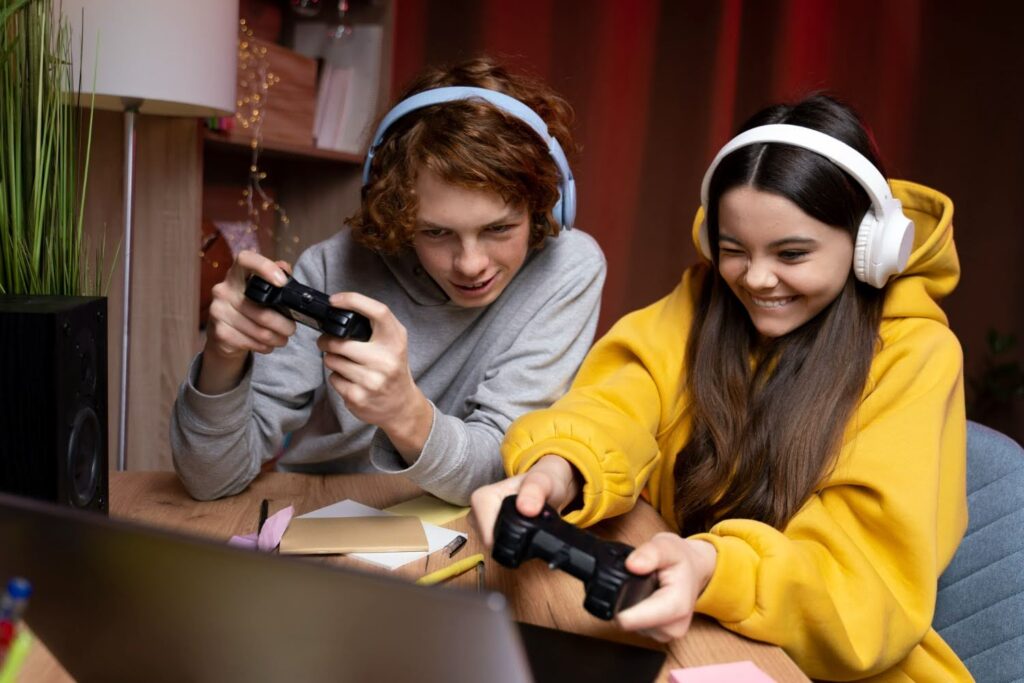
Players increasingly want freedom to choose their devices. They may play on a console at home, switch to a PC later, or use a mobile device while traveling. Cross-platform features support this behavior. They allow players on different systems to connect when developers support the feature. This approach can also strengthen communities. Players do not need to purchase the same hardware as their friends just to play together.
Furthermore, industry research suggests that the boundaries between PC, console, mobile, and cloud gaming continue to weaken. The industry therefore seems to be moving toward a more connected ecosystem.
Gaming Fandom Is Becoming More Diverse
Modern gaming communities include people from different ages, backgrounds, and interests. Players can enjoy competitive shooters, relaxing simulation games, horror titles, role-playing adventures, or creative sandbox experiences.
This variety has helped gaming reach wider audiences. Twitch’s 2026 report, for example, showed strong interest in both competitive games and genres such as horror, sandbox gaming, and indie titles.
However, gaming communities still face challenges. Some players experience harassment or feel excluded from certain spaces. A recent YouGov survey reported that 48% of women who play PC and console games in the US and UK felt that gaming communities did not welcome or represent them. Therefore, creating safer and more inclusive communities remains important for the industry’s future.
Gaming Is Blending With Other Entertainment
Gaming no longer exists separately from movies, music, streaming, and social media. Popular franchises can appear across several forms of entertainment. Fans may play a game, watch a related series, follow creators, purchase merchandise, and discuss the franchise online. Each activity can strengthen the connection between fans and the property.
Deloitte’s 2026 research found that many fans interact with entertainment across multiple platforms, including social media, streaming services, merchandise, and live events. This shift creates a more continuous entertainment experience. Fans do not simply wait for a new release. They stay connected between major launches.
The Future of Gaming Culture
The next stage of culture will likely focus on participation. Players will not simply consume games. They will watch them, create content, compete, socialize, and influence the direction of communities. Technology will support that shift. AI may simplify creation. Cloud services may expand access. Cross-platform features may connect more players. Meanwhile, creators and user-generated content may continue to shape what audiences discover.
Ultimately, gaming remains successful because it gives people different ways to participate. Some players want competition. Others want creativity or relaxation. Many simply want to connect with friends. That flexibility will continue to drive gaming forward. As new trends emerge, gaming will keep adapting to the interests, technology, and creativity of the people who make the industry what it is today.
Final Thoughts
Gaming continues to change as technology and player interests evolve. Streaming, esports, user-generated content, AI, and cross-platform play have created new ways for people to enjoy and experience games.
More importantly, gaming now brings people together. Players can compete, create, communicate, and build communities across different platforms. This connection has made games an important part of modern entertainment and digital life.
Looking ahead, new technologies will create even more opportunities for innovation. However, the heart of gaming will remain the same: fun, creativity, competition, and connection. As these trends continue, gaming culture will become even more diverse, interactive, and community-driven.


