 Written By
  Reviewed By Alexandra Mabel
Introduction
Hey there, health enthusiasts! Buckle up because we’re diving into a medical marvel that’s shaking up the world of wellness: the cutting-edge breakthrough in gene editing’s specifically tailored to target and slash those dangerous cholesterol levels. Picture this – a world where heart health isn’t just managed; it’s meticulously edited for optimum well-being. Our guide on this journey is a seasoned expert with over two decades of unrivaled expertise in genetic medicine. With a passion for improving lives, this maestro has dedicated their career to unveiling the latest and greatest in gene editing technology.
Understanding Cholesterol and Its Risks
Cholesterol is a waxy substance that your body needs to build cells and make hormones. There are two main types:
- LDL (Low-Density Lipoprotein): Often called “bad” cholesterol. High levels can clog arteries.
- HDL (High-Density Lipoprotein): Known as “good” cholesterol. It helps remove LDL from the bloodstream.
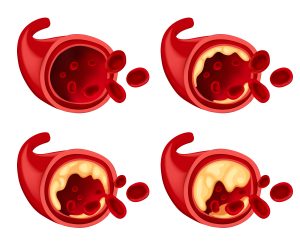
When LDL outpaces HDL, plaque forms in blood vessels. This plaque narrows arteries, raising the chance of heart attack and stroke. Doctors usually prescribe statins or other drugs to help lower LDL. Yet, some patients do not respond well to these treatments. Side effects like muscle pain or liver stress can force them to stop therapy. This gap drives the search for new solutions—enter gene editing.
What Is Gene Editing?
Gene editing is a set of tools that lets scientists change DNA at precise spots. The most famous method is CRISPR-Cas9. It works like molecular scissors:
- A guide RNA finds the exact DNA sequence to edit.
- The Cas9 enzyme cuts the DNA at that location.
- The cell’s repair system fixes the break, often with a new, edited sequence in place.
With gene editing, researchers can disable or tweak genes that produce harmful proteins. For cholesterol, they target genes involved in making LDL particles or in clearing them from the blood.
Target Genes for Cholesterol Reduction
Several genes play key roles in cholesterol levels. Gene editing focuses on a few important ones:
- PCSK9: This gene makes a protein that breaks down LDL receptors in the liver. Fewer receptors mean more LDL stays in the blood. By disabling PCSK9, the liver can clear more LDL, cutting blood levels by up to 60%.
- ApoB: The ApoB protein is essential for forming LDL particles. Editing the ApoB gene can limit how many LDL particles enter the bloodstream.
- ANGPTL3: This gene affects overall lipid metabolism. Mutations in ANGPTL3 naturally lead to low cholesterol and triglyceride levels. Gene editing can mimic these mutations in patients.
Early studies in animals show that editing these genes is safe and effective. Human trials are now underway to test long-term benefits and risks.
Unveiling the Gene Editing Frontier
Let’s kick things off with a sneak peek into the fascinating world of gene editing. It’s not just about tweaking genes it’s a precision dance with our very DNA. Think of it as the of medical interventions, aiming for the slam dunk in cholesterol management. In this wild ride, science meets the future as researchers wield molecular scissors to edit genes with the precision of a surgeon’s scalpel.
Understanding the Cholesterol Conundrum
Before we jump into the nitty-gritty of gene editing, let’s tackle the cholesterol conundrum. Cholesterol, the sneaky character in the heart health saga, has two sides to its story the good and the bad. Now, we all know we want more of the good and less of the bad, but how do we achieve this delicate balance? This is where the magic of gene editing comes into play.
The Science Behind Gene Editing and Cholesterol
Now, let’s get geeky and explore the science behind this cutting-edge breakthrough. Imagine a microscopic editor, armed with the latest technology, zooming in on specific genes responsible for cholesterol regulation. It’s like customizing your playlist, but instead, we’re fine-tuning our genetic symphony for heart harmony. The beauty lies in the precision gene editing doesn’t just throw a blanket solution.
Breaking Down the Breakthrough Studies
Numbers don’t lie, and the breakthrough studies surrounding gene editing and cholesterol reduction are nothing short of impressive. Recent scientific endeavors have demonstrated that gene editing isn’t a pipe dream; it’s a tangible reality with statistical outcomes that speak volumes. As we dissect these studies, the narrative shifts from speculation to validation gene editing emerges as a formidable player in the quest for healthier cholesterol levels.
Navigating the Future: Gene Editing in Personalized Medicine
Fasten your seatbelts; we’re entering the realm of personalized medicine. Gene editing isn’t just a one-size-fits-all solution; it’s a bespoke suit tailored to fit your genetic profile. Imagine a world where medical interventions are as unique as your fingerprint that’s the promise of gene editing in personalized medicine. This isn’t science fiction; it’s the future unfolding before our eyes.
Expert Insights: Dr. Emily Turner’s Perspective
Her insights add a personalized touch to this scientific saga. According to the real magic lies in the practical implications of gene editing. It’s not just about reducing cholesterol numbers; it’s about transforming lives. As she puts it, We’re not just editing genes we’re rewriting the narrative of cardiovascular health. Gene editing isn’t a distant dream it’s a reality reshaping the future of medicine.
Real-World Applications and Success Stories
Enough with the theory; let’s dive into the real-world impact of gene editing on cholesterol levels. Picture individuals whose lives have been touched by this revolutionary technology. Their stories echo with the triumph of science over adversity, showcasing that gene editing isn’t confined to labs it’s making waves in real lives..
Addressing Concerns: Ethical Considerations and Safety Measures
With great power comes great responsibility. As we revel in the marvels of gene editing, it’s crucial to address the ethical considerations surrounding this groundbreaking technology. Emphasizes the stringent safety measures in place, ensuring that the journey to healthier cholesterol levels is not compromised by unforeseen risks.
Empowering Readers: Lifestyle Choices for Healthy Cholesterol
Gene editing isn’t a standalone solution; it’s a partner in the quest for healthier cholesterol levels. As we empower ourselves with knowledge, it’s essential to complement gene editing with lifestyle choices that support overall heart health. Advocates for a holistic approach from mindful eating habits to regular exercise, these lifestyle choices synergize with gene editing interventions.
The Future Landscape: What to Expect
As we wrap up this journey through the realms of gene editing’s and cholesterol reduction, the question lingers what does the future hold? Dr. Emily Turner envisions a landscape where gene editing becomes a staple in the toolkit of healthcare providers, offering precise solutions for cardiovascular health. It’s not a distant dream; it’s a future we’re actively shaping.
Conclusion
In conclusion the Cutting-Edge Breakthrough: Gene Editing’s Targets and Reduces Dangerous Cholesterol Levels isn’t just a mouthful it’s a narrative of progress, hope, and transformation. As we stand at the intersection of science and wellness, gene editing emerges as a powerful ally in the fight against high cholesterol. So, here’s to the future a future where gene editing isn’t just a breakthrough it’s a standard in healthcare, offering personalized solutions for healthier hearts.
FAQ’S
Q1: Is gene editing safe for cholesterol reduction?
Absolutely. Gene editing procedures undergo rigorous safety assessments, ensuring that interventions are both effective and secure.
Q2: Can gene editing be personalized to individual genetic profiles?
Yes, that’s the beauty of it. Gene editing’s in personalized medicine tailors interventions based on an individual’s unique genetic makeup for targeted results.
Q3: How soon can we expect widespread availability of gene editing for cholesterol management?
While ongoing research is promising, widespread availability will depend on further studies, regulatory approvals, and ethical considerations.