
 Written By
  Reviewed By Marie Mark
Introduction
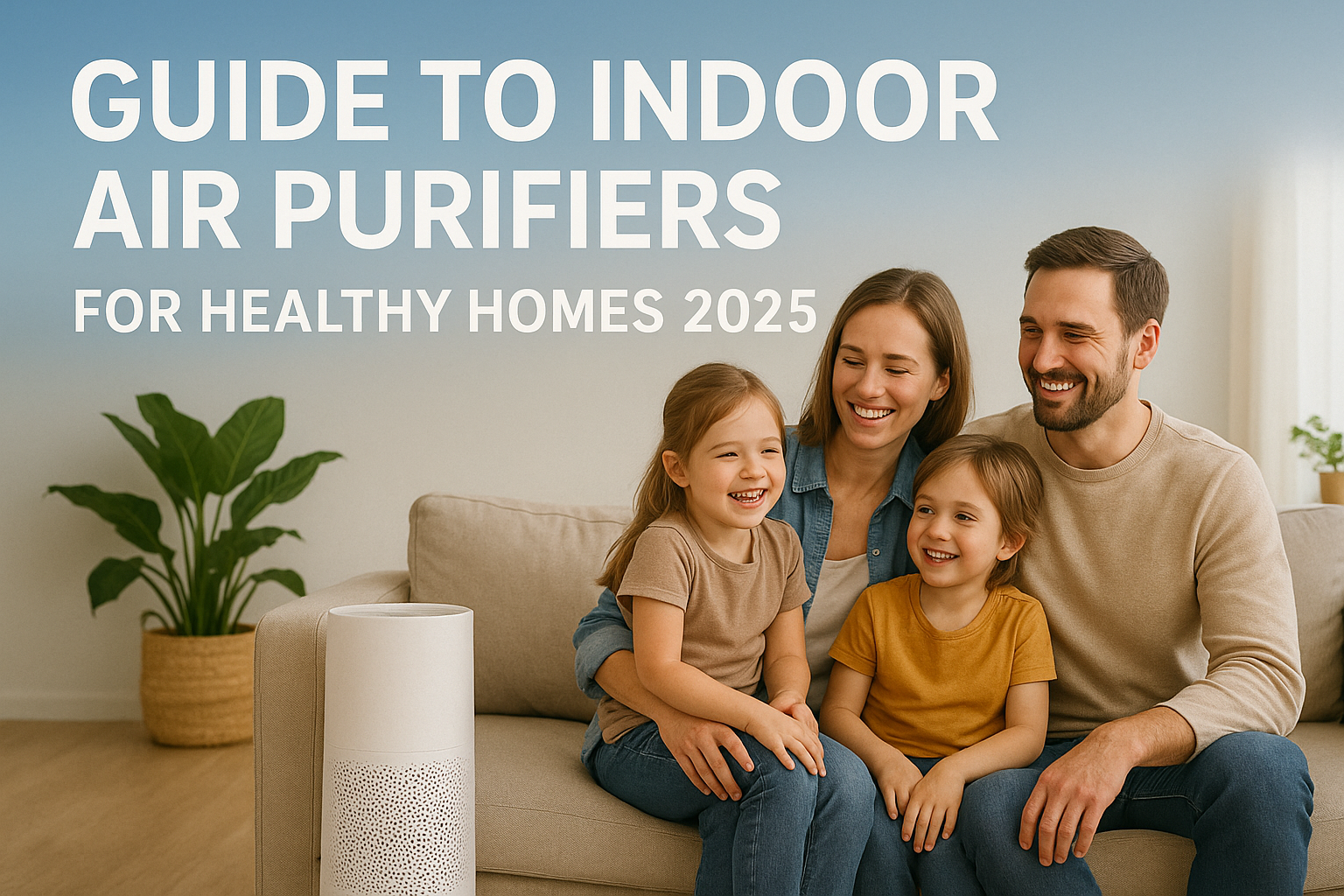
Clean air is essential for a healthy home, but indoor air can often be filled with pollutants, allergens, and dust. In 2025, indoor air purifiers have become more advanced and popular as people focus on improving the air they breathe inside their homes.
These devices help remove harmful particles, making your home safer and more comfortable. Whether you suffer from allergies or just want fresher air, an air purifier can make a big difference.
In this guide, we’ll explore how high levels indoor air purifiers work, the types available, key features to look for, and short term and long term tips to choose the best one for your home in the United States in 2025.
What Are Indoor Air Purifiers?
Indoor air purifiers are devices that clean the air inside your home. They work by drawing in air, filtering out pollutants like dust mites, pollen, smoke, carbon monoxide, and pet dander, and then releasing clean air back into the room.
The main goal is to reduce airborne contaminants that can cause allergies, asthma, or other respiratory problems. With growing concerns about air pollution and health risks, air purifiers or air cleaners have become essential tools for many households.
How Do Indoor Air Purifiers Work?
Air purifiers use different technologies to clean the air. The most common method involves filters, especially HEPA filters, which trap tiny particles as air passes through it also have heating and cooling systems.
Some purifiers also use activated carbon filters to remove odors and gases. Others combine UV light or ionizers to kill bacteria and viruses. The best purifiers use a mix of these technologies to capture a wide range of pollutants and improve indoor air quality effectively.
Benefits of Using Indoor Air Purifiers
Using an indoor air purifier offers many advantages for your home and health:
- Improves Air Quality: Removes sources of pollution like dust, smoke, pollen, and other particles.
- Relieves Allergies: Helps reduce allergy symptoms by filtering allergens.
- Eliminates Odors: Removes bad smells from cooking, pets, or smoke.
- Protects Respiratory Health: Reduces airborne bacteria and viruses.
- Enhances Sleep and Comfort: Cleaner air means better breathing and rest and make your indoor spaces pleasant.
In 2025, with smart features, air purifiers also provide real-time air quality monitoring and can be controlled remotely for convenience.
Types of Indoor Air Purifiers
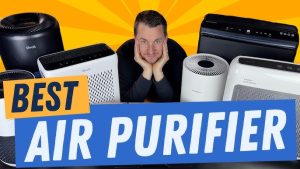
There are several types of indoor air purifiers to choose from, each with different features:
1. HEPA Air Purifiers
These are the most common and effective. HEPA filters capture 99.97% of particles as small as 0.3 microns, including dust, pollen, and pet dander. They are ideal for allergy sufferers.
2. Activated Carbon Air Purifiers
These purifiers use carbon filters to absorb odors and harmful gases like smoke and VOCs (volatile organic compounds). They work well alongside HEPA filters.
3. UV-C Air Purifiers
Using ultraviolet light, these devices kill bacteria and viruses in the air. They are often combined with filters for better protection.
4. Ionizers
Ionizers release charged ions that attach to airborne particles, causing them to fall out of the air. However, some ionizers produce ozone, which can be harmful, so it’s important to choose models that meet safety standards.
5. Smart Air Purifiers
The latest models connect to Wi-Fi, allowing control via smartphone apps. They provide air quality data and let you schedule cleaning cycles or adjust settings remotely.
How to Choose the Right Indoor Air Purifier for Your Home
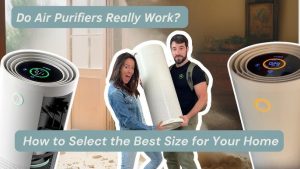
When selecting an indoor air purifier in 2025, consider these factors:
1. Room Size
Choose a purifier rated for the size of the room where you plan to use it. Using a purifier meant for a smaller room in a large space will reduce its effectiveness.
2. Filter Types
Look for purifiers with HEPA filters for particle removal and activated carbon filters for odors. Additional UV or smart features are bonuses based on your needs.
3. Noise Level
Some air purifiers can be noisy, which may disturb sleep or work. Check product reviews for noise ratings, especially if you plan to use it in a bedroom or office.
4. Maintenance and Cost
Consider how often filters need replacement and the cost involved. Some filters last longer but cost more, while others are cheaper but require frequent changes.
5. Energy Efficiency
Choose energy-efficient models to save on electricity bills, especially if you plan to run the purifier continuously.
Future of Indoor Air Purifiers in 2025 and Beyond
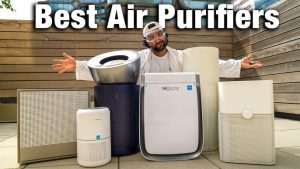
Looking ahead, indoor air purifiers will become smarter and more efficient. By 2025 and beyond, many devices will include sensors that detect pollution levels and adjust their operation automatically. Integration with smart home systems will allow users to control purifiers remotely and receive alerts when filters need changing. Advances in filter technology will capture even smaller particles and neutralize more types of pollutants. With growing awareness of air quality’s impact on health, air purifiers will become standard in homes worldwide, helping families breathe easier and live healthier lives.
Comparative Table: Comparison of Popular Indoor Air Purifier Features in 2025
| Feature | HEPA Purifier | Activated Carbon | UV-C Purifier | Smart Purifier |
|---|---|---|---|---|
| Particle Removal | Excellent | Moderate | Moderate | Excellent |
| Odor Removal | Moderate | Excellent | Low | Excellent |
| Bacteria/Virus Control | Low | Low | High | High |
| Noise Level | Medium | Low | Medium | Variable (Low-High) |
| Remote Control | No | No | No | Yes |
| Filter Replacement | Regular (6-12 months) | Regular | UV bulb replacement | Regular |
| Energy Efficiency | Moderate | Moderate | Moderate | High |
Conclusion
Indoor air purifiers are essential tools for healthy homes in 2025. They clean the air by removing dust, allergens, odors, and harmful microbes. With several types available from HEPA to smart purifiers there’s a perfect model for every home.
Choosing the right cleaning products or purifier depends on your room size, needs, and budget. Using your purifier correctly, including regular maintenance, will ensure cleaner air and a healthier living environment and improving ventilation.