
 Written By
  Reviewed By Caleb Cole
Introduction
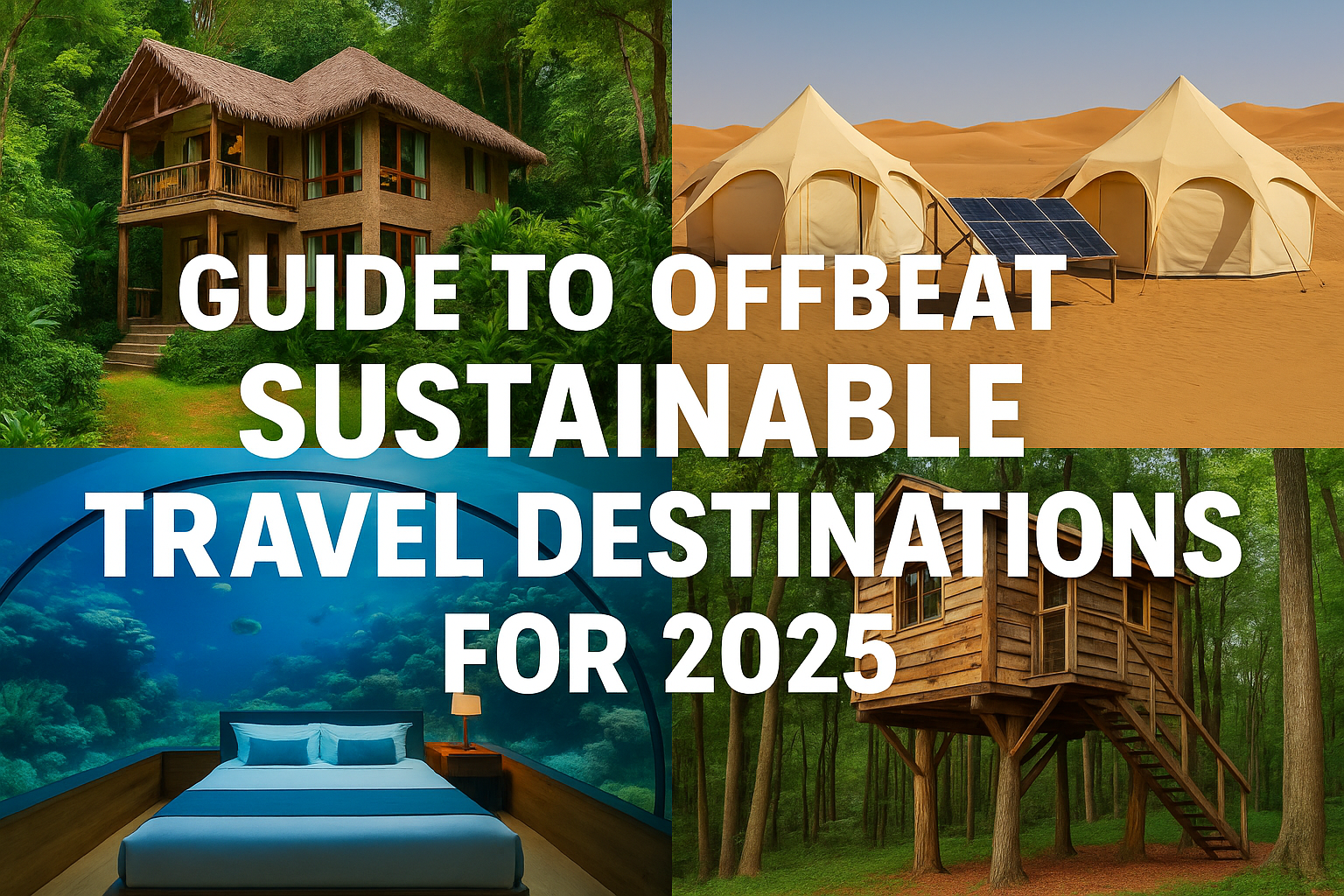
Travelers today want more than a photo for social media. They seek real experiences that respect nature and local culture. In 2025, offbeat sustainable travel is gaining speed. Travelers explore hidden gems that protect the planet and uplift communities. From eco-lodges in remote forests to solar-powered desert camps, sustainable tourism offers fresh adventures. This guide highlights offbeat sustainable travel destinations for 2025. You’ll learn what makes a destination green, find top picks around the world, and get tips for traveling lightly. Let’s dive into these hidden eco-friendly spots that will spark your wanderlust and help the planet.
What Is Offbeat Sustainable Travel?
Offbeat travel means visiting places that few people know. You stray from busy tourist spots. You find quiet villages, wild landscapes, and unique cultures. When you add sustainability, you look for low-impact stays, eco-friendly tours, and local-led projects. This approach protects fragile ecosystems and supports small communities.
Core Principles of Sustainable Tourism
Sustainable tourism balances travel fun with respect for nature and people. It aims to reduce waste, cut emissions, and protect wildlife. It also includes fair pay and cultural preservation for local hosts. In offbeat travel, you often stay in small ecolodges or family-run guesthouses. You choose guides from nearby towns. You carry a reusable water bottle and pick up litter on trails.
Why Go Offbeat in 2025
Popular destinations face overtourism. This strains hotels, roads, and nature sites. By 2025, savvy travelers shift to less visited places that practice green travel. Offbeat spots let you see nature undisturbed. You learn authentic local traditions. You also help spread tourist dollars to hidden corners of the world.
Top Offbeat Sustainable Destinations for 2025

From remote mountains to island paradises, these offbeat destinations pair adventure with eco-friendly practices. Each place uses green energy, protects wildlife, and supports local culture.
1. Kafue National Park, Zambia
Kafue is one of Africa’s largest parks but sees few visitors. It uses solar power camps and community-led safaris. You spot leopards, wild dogs, and red lechwe on guided walks. Local guides earn fair wages. Park fees fund wildlife patrols and school programs.
2. Svalbard Island, Norway
Beyond the Arctic Circle, Svalbard offers glacier hikes and polar bear tours. Small eco-lodges run on wind and solar energy. Waste is strictly managed to prevent pollution. Travelers learn from researchers about climate change. Boat tours use low-emission engines.
3. Palawan Underground River, Philippines
This river winds through limestone caves in a UNESCO site. Palawan’s eco lodges use bamboo and rainwater harvesting. Boat crews use paddle power to reduce noise and fuel. Local tribes lead tours, sharing folklore and nature knowledge.
4. Chapada dos Veadeiros, Brazil
This national park features waterfalls and quartz crystal fields. Campgrounds use compost toilets and solar showers. Community cooperatives run guided hikes and sell handicrafts. Fees support forest conservation and water testing.
5. Lofoten Islands, Norway
Hidden beyond the Arctic Circle, Lofoten has dramatic peaks and fishing villages. Rorbu cabins, once used by fishermen, now host eco-conscious travelers. Solar-heated saunas and energy-efficient kitchens cut fossil fuel use. Local co-ops serve fresh cod caught daily.
6. Kumaon Hills, India
In the lesser-known Kumaon region, small farms practice regenerative agriculture. Homestays run on biogas and rainwater collection. Visitors join farm work and handicraft workshops. Fees fund education and tree planting in nearby villages.
What Makes a Destination Sustainable?

Eco-friendly travel sites share key features. Look for these before you book your offbeat trip.
Renewable Energy Use
Green destinations use solar panels, wind turbines, or micro-hydro plants for power. They aim to be off-grid or grid-independent. This cuts carbon footprints and supports local energy resilience.
Water Conservation
In remote areas, fresh water is precious. Sustainable lodges harvest rainwater and treat greywater. They install low-flow showers and composting toilets. These steps protect rivers and aquifers.
Waste Management
Zero-waste principles guide green stays. Guests use refillable containers and compost food scraps. Single-use plastics are banned. Recyclables are sorted and shipped to proper facilities.
Local Community Involvement
True sustainability uplifts local people. Eco projects hire guides, cooks, and craftspeople from nearby villages. They invest in schools, clinics, and infrastructure. This ensures tourist dollars enrich the region.
Wildlife and Habitat Protection
Green destinations enforce no-disturb rules for animals. They use guided tours on foot or by silent e-bikes. They limit visitor numbers to protect fragile ecosystems.
Beginner Tips for Offbeat Sustainable Travel

Traveling off the beaten path poses unique challenges. Use these tips to make your trip smooth and green.
Pack Light and Smart
Lighter bags mean fewer plane baggage fees and lower fuel use. Bring multi-use clothing and solar chargers. Carry a reusable water bottle and utensils. Lightweight gear reduces impact on trails.
Learn Basic Local Language
A few words in the local tongue build trust. You show respect and ease communication with guides and hosts. Locals may share hidden gems only they know.
Book Direct with Local Operators
Cut out middlemen to ensure your money stays in the community. Local guides often offer better prices and insider knowledge.
Respect Cultural Norms
Study the region’s customs before you go. Dress modestly if required, and ask before taking photos. Small gestures earn big smiles.
Offset Your Carbon
Even green travel has a footprint. Use certified offset programs to support reforestation or clean energy projects. This balances out your flights and drives.
How to Find and Evaluate Offbeat Sustainable Stays

With so many options, how do you choose a green offbeat spot? Follow these steps.
Check Certifications and Reviews
Look for eco labels like Green Key or EarthCheck. Read guest reviews on sustainability practices. Recent traveler photos can show real property conditions.
Ask About Their Practices
Email hosts and ask about energy sources, water use, and waste plans. A transparent host will gladly share details. If they dodge your questions, consider other options.
Use Eco-Friendly Booking Platforms
Sites like BookDifferent or Ecobnb focus on green stays. They vet lodges on clear sustainability criteria. This saves you research time and ensures genuine eco credentials.
Plan Your Transport
Offbeat places may lack public transport. Where possible, take trains or buses rather than flights. Use driver-shared shuttles or e-bike rentals. If you must fly, book nonstop for best fuel efficiency.
Table: Offbeat Sustainable Destination Comparison
| Destination | Main Eco Feature | Best Season | Unique Activity |
|---|---|---|---|
| Kafue National Park, Zambia | Solar camps, community safaris | June–October | Night game drives |
| Svalbard Island, Norway | Wind/solar power lodges | May–August | Midnight sun glacier hikes |
| Palawan Underground River, PH | Paddle boats, rainwater harvesting | November–April | Underground river tour |
| Chapada dos Veadeiros, Brazil | Compost toilets, crystal fields | May–September | Quartz crystal treasure hunt |
| Lofoten Islands, Norway | Rorbu cabins, solar saunas | March–September | Arctic fishing with locals |
| Kumaon Hills, India | Biogas stoves, farm stays | October–March | Organic farming workshops |
Sustainable Travel Trends to Watch in 2025
New ideas keep the offbeat scene exciting. These 2025 trends shape the future of green travel.
Community-Run Eco Villages
Small villages pool resources to build eco-lodges and run tours. Guests help with farming or teaching. In return, they gain cultural insight and share skills.
Virtual Reality Previews
Want a sneak peek? Some lodges offer VR tours before you book. You explore rooms and trails to ensure they meet your green standards.
Blockchain for Fair Pay
Blockchain systems track tourist payments directly to guides and farmers. This ensures no fees are skimmed off by intermediaries.
Micro-Adventures
Short, local offbeat trips are trending. You skip long flights and focus on nearby wild spots. This cuts emissions and supports local economies.
Biofabricated Tours
New tours showcase biofabrication labs where travelers see leather made from mushrooms or plastic from algae. These visits inspire sustainable consumer choices.
Conclusion
Offbeat sustainable travel for 2025 blends adventure with care for our planet. From Zambia’s solar camps to Norway’s wind-powered lodges, these hidden gems offer true eco experiences. You’ll lower your impact, support local communities, and see sights few travelers reach. By following simple tips like packing light and choosing green stays, you travel responsibly. As new trends like community-run villages and VR previews grow, offbeat travel gets easier and more fun. Plan your next trip to an offbeat sustainable spot and make memories that help our world.
Call-to-Action
Ready for a unique green adventure? Book your next offbeat sustainable stay today and explore hidden gems that cherish the planet and local life.