 Written By
  Reviewed By Luna Evelyn
Introduction
Every year on October 13, horse lovers across the nation celebrate National Day of the Horse—a day dedicated to honoring our bond with these majestic animals. Whether you’re a seasoned rider or dreaming of your first trot, finding your perfect equine match transforms that relationship into a lifelong partnership. In this guide, we’ll explore the history of National Day of the Horse, tips for choosing the right breed, how to match a horse’s personality to your lifestyle, and best ways to celebrate with your new four-legged friend. Saddle up—we’re about to embark on an unforgettable equine journey.
As the sun rises on National Day of the Horse, the air is charged with excitement. It’s the perfect moment to embark on an equine adventure that transcends the ordinary. In this comprehensive guide, we invite you to discover the thrill of finding your perfect equine match and celebrating the profound connection between humans and horses.
The Significance of National Day of the Horse
National Day of the Horse was established to recognize horses’ contributions in agriculture, military service, therapy, and sport. From pulling plows in the fields to carrying riders through obstacle courses, horses have shaped human history and culture. Today, this observance also raises awareness about equine welfare and the importance of responsible ownership. On October 13, stables host open houses, trail rides, and educational clinics—inviting the public to learn, celebrate, and deepen their appreciation for these noble animals.
Celebrating National Day of the Horse
1. Attend Local Events
Check your area for barn tours, riding demonstrations, and horse-care workshops. Many equestrian centers offer free or low-cost clinics on grooming, tacking up, or basic riding techniques.
2. Host a Trail Ride
Invite friends for a group trail ride at a nearby park or farm. Pack a picnic, practice safe riding protocols—helmets, appropriate boots, and buddy systems—and enjoy a day in nature.
3. Share on Social Media
Post photos with hashtags like #NationalDayoftheHorse and #HorseLove. Share stories of your horse’s quirks—like a friendly nicker at dawn—or tips for new owners.
4. Support Equine Charities
Donate to or volunteer at rescue organizations and therapeutic riding programs. Contributing to equine welfare helps horses find homes and supports programs that use horses for healing.
Finding Your Perfect Equine Match
Choosing a horse isn’t like picking a pet fish—you need to consider breed, temperament, training level, and your own experience. Use these steps to find a match that sets you both up for success.
1. Assess Your Riding Goals
- Pleasure Riding: Trails and relaxed paces suit easygoing breeds like Quarter Horses or Morgans.
- Competitive Sports: Dressage riders may favor warmbloods; barrel racers might choose speedy Quarter Horses or American Paints.
- Therapeutic Riding: Calm, patient breeds like Haflingers or Tennessee Walkers work well in therapeutic settings.
Identify your primary focus to narrow breed options and training needs.
2. Evaluate Your Experience Level
- Beginner: Look for well-trained school horses or older, steady breeds with mild temperaments.
- Intermediate: You might handle a spirited Arabian or a more spirited Thoroughbred cross with proper training.
- Advanced: Trained performance horses—jumpers, eventers, or advanced dressage mounts—can excel under experienced riders.
Matching skill level to horse ensures safety and enjoyment for both rider and animal.
Understanding Horse Breeds
Different breeds bring unique strengths and quirks. Here are a few popular choices:
| Breed | Key Traits | Best For |
|---|---|---|
| Quarter Horse | Calm, versatile, quick on short courses | Trail riding, Western events |
| Thoroughbred | Energetic, athletic, spirited | Racing, show jumping, eventing |
| Arabian | Enduring, intelligent, high spirit | Endurance riding, dressage |
| Morgan | Sturdy, eager, good temperament | Family riding, driving, therapy |
| Tennessee Walker | Smooth gait, gentle, sure-footed | Pleasure riding, therapeutic use |
Research and meet several breeds to see which personality and movement style resonate with you.
Finding Your Equine Match: A Step-by-Step Guide
The process of finding your perfect equine match is a thrilling adventure filled with considerations and choices. Dr. Taylor takes you step by step through this journey, offering insights into crucial factors such as the horse’s temperament, size, and age. Each consideration plays a role in creating a harmonious partnership tailored to your unique preferences and goals.
The Joy of Equestrianism: Beyond the Saddle
Equestrianism is not just about riding; it’s a lifestyle that encompasses a myriad of enriching activities. Beyond the saddle, you’ll discover the joy of grooming, bonding, and engaging in equine-assisted therapy. Dr. Taylor emphasizes the holistic experience of connecting with horses, creating a relationship that goes beyond the boundaries of traditional riding.
Key Considerations: A Table of Equine Characteristics
To assist you in the decision-making process, we’ve compiled a comprehensive table summarizing key equine characteristics. This visual aid provides a quick reference, helping you match the horse’s traits with your preferences and ensuring a harmonious partnership.
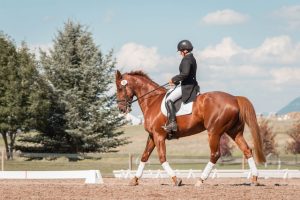
| Characteristic | Description | Considerations |
|---|---|---|
| Temperament | Calm, Energetic, Spirited | Match with Rider’s Comfort Level |
| Size | Pony, Horse, Draft | Suitable for Rider’s Size and Experience |
| Age | Young, Mature, Senior | Align with Rider’s Skill Level and Goals |
A Day in the Life: National Day of the Horse Celebration
Picture this: a sun-drenched morning, the scent of hay in the air, and you and your equine companion ready for a day of celebration. Dr. Taylor guides you through a day in the life of National Day of the Horse, from trail rides to grooming sessions. Each activity is a testament to the deepening bond between rider and horse, creating memories that last a lifetime.
Equine Nutrition and Wellness Tips
A healthy and happy horse is the foundation of a fulfilling partnership. Dr. Taylor shares practical advice on equine nutrition, exercise, and regular veterinary care. These essential tips ensure the well-being of your equine friend, fostering a strong and enduring connection.
Stories of Equine Bonds: Real-Life Connections
Embark on a journey through heartwarming anecdotes of real-life connections between individuals and their horses. These stories serve as inspiration, showcasing the profound relationships that can blossom through shared experiences, mutual understanding, and the unspoken language between humans and horses.
Equine Safety: Riding Responsibly
As you delve deeper into the world of equestrianism, Dr. Taylor addresses the crucial aspect of safety. Riding responsibly is paramount for both the rider and the horse. Learn about proper equipment, rider posture, and responsible trail riding to ensure a safe and enjoyable experience for both partners.
Matching Temperament and Personality
Like people, horses have distinct personalities. Observe potential mounts in their daily routine:
- Curious vs. Cautious: A curious horse may approach new objects readily, while a cautious one needs gentle encouragement.
- Sociable vs. Independent: Social horses bond easily with humans and herd mates. Independent types may be less demanding of attention.
- High vs. Low Energy: Energetic horses suit active riders looking for spirited rides. Low-energy horses prefer leisurely strolls.
Spend time grooming, leading, and lunging horses to see who aligns with your handling style.
Pre-Purchase Evaluations
Before finalizing a match, perform thorough checks:
1. Vet Exam
A licensed veterinarian should assess soundness, heart and lung health, joint condition, and dental status. This exam catches hidden issues.
2. Trial Rides
Ride the horse in various settings—arena, trail, and open field—to test responses to cues, traffic, and unexpected situations.
3. Past Performance Records
Review show history, training logs, and past owner feedback. A horse’s track record helps gauge consistency and reliability.
4. Stable Visit
Observe the horse’s behavior in the barn eating habits, social interactions, and stall manners—to ensure wellness and good temperament.
These steps safeguard your investment and well-being.
Preparing for Your New Partner
Once you’ve chosen your perfect equine match, get ready for their arrival:
- Stable Setup: Ensure safe fencing, clean stalls, and fresh bedding.
- Gear and Tack: Properly fitted saddle and bridle, quality halter, and grooming kit.
- Nutrition Plan: Consult an equine nutritionist for feed, hay quality, and supplements.
- Training Timeline: Establish a routine for groundwork, riding sessions, and rest days.
A structured plan eases your new horse into its permanent home.
Building a Strong Bond
A successful partnership relies on trust and communication:
- Groundwork: Daily leading, lunging, and liberty work build respect and understanding.
- Consistent Routine: Horses thrive on predictability—follow a schedule for feeding, turnout, and grooming.
- Positive Reinforcement: Reward good behavior with scratches, treats, or verbal praise.
- Patient Training: Break tasks into small steps. Avoid forcing a reluctant horse to prevent fear responses.
Nurturing these bonds ensures enjoyable, safe rides and a fulfilling lifelong connection.
Maintaining Health and Happiness
Your horse’s well-being underpins every joyful gallop:
- Regular Vet Checks: Biannual health exams, vaccinations, and dental care.
- Farrier Visits: Every 6–8 weeks for hoof trimming or shoeing, preventing lameness.
- Deworming Schedule: Rotate dewormers per veterinarian recommendations to control parasites.
- Dental Floating: Annual tooth file maintenance supports proper digestion and comfort.
- Turnout Time: Daily pasture or paddock access for physical and mental health.
A healthy horse is a happy, reliable partner.
Conclusion
As the sun sets on National Day of the Horse, reflect on the profound journey you’ve embarked upon with your equine partner. Dr. Taylor emphasizes that it’s not just a day of celebration; it’s the beginning of a lifelong journey filled with shared moments, responsibilities, and a bond that transcends words. Cherish these moments, savor the responsibilities, and look forward to the extraordinary adventure ahead. This comprehensive guide aims to captivate your imagination, providing a roadmap for an enriching and joyous celebration of National Day of the Horse with your perfect equine match.