 Written By
  Reviewed By Alicia Melany
Introduction
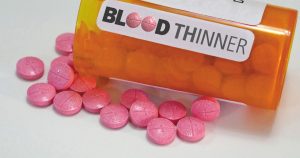
In November 2023, Bayer stunned investors by halting its late-stage trial of asundexian, an experimental blood-thinner aimed at preventing strokes in atrial fibrillation patients. The OCEANIC-AF study was stopped early due to “inferior efficacy” compared with established rivals, marking a major setback for the German drugmaker and its most promising pipeline candidate. Within hours, Bayer shares plunged 16.4%, their steepest one-day fall in over a decade, erasing billions in market value. This abrupt trial halt has far-reaching consequences—not just for Bayer’s stock price and strategic outlook, but also for the broader Factor XIa inhibitor field and the future of anticoagulant therapies.
Bayer’s Pipeline Challenge
Bayer’s anticoagulant franchise has long been anchored by Xarelto (rivaroxaban), one of the world’s top-selling drugs with annual sales approaching €6 billion. However, with European patent protection for Xarelto set to expire in 2026, Bayer bet heavily on next-generation blood thinners.
- Asundexian’s Promise: A Factor XIa inhibitor, asundexian was designed to reduce clotting risk with a lower bleeding profile than Factor Xa drugs like Xarelto and Pfizer/Bristol-Myers Squibb’s Eliquis.
- Projected Sales: Bayer executives forecast annual asundexian revenues of up to €5 billion, intending it to replace Xarelto’s incoming generic competition.
The trial halt abruptly cast doubt on Bayer’s strategy to fill the looming revenue gap, intensifying pressure on its pharmaceutical pipeline.
Details of the OCEANIC-AF Trial Halt
On November 19, 2023, Bayer announced the premature termination of the Phase III OCEANIC-AF trial:
- Study Design: Enrolled over 18,000 atrial fibrillation patients to compare asundexian against Eliquis in stroke prevention.
- Independent Monitoring: A Data Monitoring Committee recommended the halt after interim analysis showed asundexian was inferior in efficacy to Eliquis.
- Future Studies: Ongoing trials in other patient groups—such as post-stroke individuals—remained under review, but the flagship atrial fibrillation program was shelved.
This decision underscored the harsh reality of clinical development: promising Phase II results often fail to translate into Phase III success.
Immediate Market Reaction
News of the trial stop sent Bayer’s shares tumbling in Frankfurt and abroad:
- One-Day Drop: Shares fell 16.4%—their largest single-day decline in over three years—hitting a 12-year low of €34.81.
- Market Cap Loss: The plunge wiped out nearly €13 billion in market value, as investors reassessed Bayer’s growth prospects.
- ADR Impact: Bayer American Depositary Receipts (ADRs) also fell sharply in U.S. over-the-counter trading, reflecting global investor alarm.
This share price collapse highlighted how a single clinical setback can ripple through equity markets, particularly for companies reliant on blockbuster drugs.
Compound Woes: Litigation and Debt
The asundexian halt came amid a barrage of challenges for Bayer:
- Roundup Litigation: Ongoing U.S. lawsuits over glyphosate, Roundup’s active ingredient, forced Bayer to set aside over $16 billion for settlements.
- Agriculture Market Weakness: A downturn in its Crop Science division added to profit pressures.
- High Debt Load: Acquisitions of Monsanto and others loaded Bayer with substantial debt, limiting financial flexibility.
Collectively, these issues compounded investor skepticism and fueled calls for strategic renewal under CEO Bill Anderson.
Implications for the Factor XIa Inhibitor Field
Asundexian’s failure casts a shadow over the broader Factor XIa inhibitor class:
- Rival Programs in Doubt: Bristol-Myers Squibb and Johnson & Johnson’s milvexian saw a 3% share drop after Bayer’s announcement, as analysts questioned its Phase III prospects.
- Pipeline Reassessment: Companies worldwide revisited development plans, delaying or redesigning trials in light of asundexian’s shortcomings.
- Investor Caution: Biotech investors grew wary of late-stage anticoagulant programs, demanding more robust early-phase data before backing large trials.
While Factor XIa inhibitors still promise safer anticoagulation, asundexian’s flop serves as a cautionary tale about translating novel mechanisms into clinical benefit.
Broader Industry Impact
The trial halt resonated beyond Bayer and its direct competitors:
- Development Strategies: Pharma companies may shift resources away from high-risk, late-stage trials of novel mechanisms, focusing instead on incremental improvements to established drug classes.
- M&A Activity: Settling on safer bets, firms might pursue acquisitions of mid-stage assets with clearer clinical paths, rather than novel targets requiring large pivotal studies.
- Regulatory Scrutiny: Agencies like the FDA and EMA may demand more stringent interim analyses or adaptive trial designs for high-impact programs, heightening trial complexity and cost.
As a result, the failure of asundexian could slow innovation in anticoagulation and influence how future cardiovascular drugs are developed.
Bayer’s Strategic Response
Facing mounting investor pressure, Bayer initiated several countermeasures:
- Pipeline Diversification: Accelerating development of other assets in oncology, cardiology, and immunology to offset the asundexian gap.
- Cost Optimization: Implementing job cuts, streamlining management, and divesting non-core operations to reduce debt and improve margins.
- Partnerships and Licensing: Exploring co-development deals for niche assets, sharing trial risk and upfront costs with collaborators.
- R&D Focus: Increasing early-phase investment in highly validated targets to improve Phase III success rates.
Whether these strategies can restore investor confidence—and share performance—remains to be seen.
Share Performance Since the Halt
Since the initial crash in late 2023, Bayer shares have shown modest recovery, trading around €45 in mid-2025, but still below pre-trial levels. Key factors influencing the bounce include:
- Litigation Resolutions: Settlement progress in Roundup cases removed overhangs on the balance sheet.
- New Approvals: FDA approvals of non-cardiovascular drugs provided fresh revenue streams.
- Market Sentiment: Broader strength in global equities buoyed defensive pharma stocks.
Despite these positives, analysts caution that until Bayer replaces lost Xarelto revenue and proves clinical execution, shares will likely face continued volatility.
Investor Takeaways
- Diversify Risk: Clinical trial outcomes are binary events; broad portfolios mitigate single-asset setbacks.
- Evaluate Early Data: Strong Phase II signals are critical before committing to expensive Phase III programs.
- Monitor Pipeline Depth: Companies with multiple late-stage assets are better positioned to absorb trial failures.
- Assess Financial Health: High debt and litigation liabilities compound clinical risks; balance sheet strength matters.
These lessons apply across biotech and pharma, where R&D is central but inherently risky.
Conclusion
Bayer’s decision to halt the asundexian trial sent shockwaves through its share price and the wider pharmaceutical industry. The 16.4% one-day drop underscored the high stakes of late-stage trials, especially for companies banking on single blockbuster replacements. Beyond immediate market impact, the failure cast doubt on the viability of Factor XIa inhibitors and prompted industry-wide reassessment of anticoagulant development strategies. As Bayer pivots to other pipeline assets and cost-cutting measures, investors will watch closely to see if the company can rebuild momentum and deliver the next generation of growth drivers.