 Written By
  Reviewed By Raina Baker
Introduction
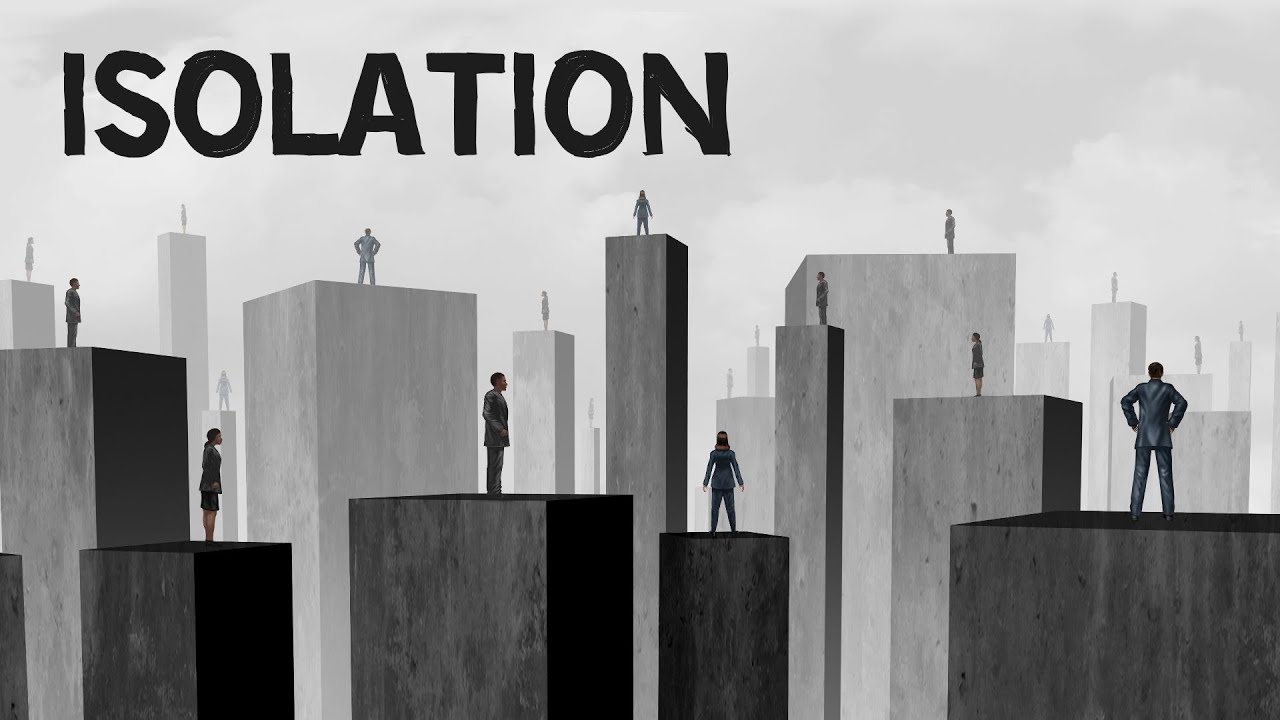
In today’s hyperconnected age, it may seem odd that many people feel deeply alone. Despite constant messaging, social feeds, and video calls, isolation in a connected world has become a serious issue. The loneliness epidemic affects all ages, from teens to seniors, and harms mental and physical health. Yet, we can fight back by focusing on meaningful connections—relationships that go beyond likes and emojis. In this article, we’ll explore why isolation persists, how it impacts us, and practical steps to forge deeper bonds that bring true belonging and joy.
The Loneliness Epidemic: A Growing Concern
Loneliness isn’t just an emotional state; it’s a public health crisis. Studies show that prolonged loneliness increases the risk of depression, heart disease, and early death. In the UK, a government study found that nearly one in ten adults often feel lonely. In the US, half of young adults report feeling left out or isolated. Even before the COVID-19 pandemic, experts warned that our digital habits were eroding real-world ties. Understanding the scope of the loneliness epidemic helps us take it seriously and seek solutions.
Causes of Isolation in a Connected World
Several factors fuel isolation, even as technology advances:
- Social Media Illusions: Platforms highlight perfect moments, so viewers compare themselves unfavorably and withdraw.
- Less Community Time: Busy schedules and remote work reduce face-to-face interactions with neighbors and friends.
- Smartphone Dependence: Checking phones during meals, walks, or visits interrupts real conversation.
- Urban Design: Cities built for cars rather than people make spontaneous social contact rare.
- Life Transitions: Moving to new areas, changing jobs, or life events like divorce can sever old ties.
These trends show why simply having more ways to message doesn’t guarantee deeper connection.
Effects on Mental and Physical Health
Isolation takes a heavy toll on mind and body:
- Mental Health: Loneliness triggers stress hormones, anxiety, and depressive thoughts. It can worsen existing mood disorders.
- Cognitive Decline: Seniors without regular contact face faster memory loss and dementia risk.
- Sleep Problems: Feeling alone at night can disrupt sleep patterns, leading to fatigue.
- Immune System: High stress from isolation weakens the body’s defenses, increasing illness.
- Heart Health: Chronic loneliness correlates with high blood pressure and cardiovascular issues.
Realizing these effects underscores that tackling isolation isn’t just about happiness—it’s about life and health.
The Role of Social Media
Social media can both help and harm connection:
- Benefits: It allows distant friends and family to stay in touch, share photos, and send quick messages.
- Drawbacks: Scrolling through endless feeds can replace time spent in meaningful talks. Algorithms push sensational content, not genuine support.
- Comparison Trap: Seeing friends’ highlight reels can foster envy and lower self-esteem, causing people to hide rather than reach out.
To use social media wisely, set time limits, engage intentionally—leave comments, send direct messages—and balance online time with in-person activities.
Pursuit of Meaningful Connections
Meaningful connections involve trust, empathy, and shared experiences. To build them:
- Practice Active Listening: Give full attention, ask questions, and reflect back what you hear.
- Share Vulnerability: Opening up about challenges invites others to do the same, deepening bonds.
- Plan Face-to-Face Time: Schedule coffee dates, walks, or game nights, even if virtual when needed.
- Join Groups: Community classes, sports teams, or volunteer organizations bring like-minded people together.
- Limit Screen Interruptions: Put phones on silent during meals or meetings to signal presence.
These steps foster real dialogue and mutual care—key ingredients for feeling truly connected.
Strategies to Combat the Loneliness Epidemic

Beyond individual effort, communities and institutions can help:
- Community Centers: Local hubs offering classes, meetups, and social events create natural gathering spots.
- Workplace Wellness: Employers can hold team lunches, buddy programs, and mental health days.
- Schools and Universities: Mentoring, peer groups, and counseling services support students’ social needs.
- Healthcare Screenings: Doctors can include loneliness assessments in routine visits and refer patients to support services.
- Tech Solutions: Apps designed to match people by interests and arrange in-person meetups can bridge gaps.
When multiple layers work together—personal, local, institutional—the net of support grows stronger.
Real-Life Success Stories
Consider Sarah, a remote graphic designer who felt isolated after moving cities. She joined a local art co-op and started weekly painting nights. Over time, she formed friendships that led to gallery collaborations and weekend hikes. Or take Carlos, a retiree who learned about a senior walking club at his community center. Casual strolls turned into lunchtime chats and a close-knit circle. These stories show that small steps—like showing up to a group event—can kickstart meaningful change.
Cultivating a Culture of Connection
To reverse the loneliness epidemic, society must value connection as much as efficiency. Planners can build more walkable neighborhoods. Employers can measure team health by how well members support one another. Curricula can teach empathy and social skills from a young age. Media can highlight stories of real friendship, not just individual success. By shifting culture toward togetherness, we ensure that technology enhances, rather than replaces, human bonds.
Conclusion
In a world where we’re always “on” yet often feel alone, isolation in a connected world demands our attention. The loneliness epidemic affects billions, harming mental and physical health. But by pursuing meaningful connections—through active listening, shared activities, and selective tech use—we can rebuild real bonds. Communities, schools, and workplaces also play vital roles by creating spaces and programs that bring people together. When individuals and institutions work in harmony, we can turn the tide on loneliness. Embrace small, intentional steps today to cultivate connection, belonging, and a healthier, happier future for all.