

 Written By
 Leather Clothing every premium leather jacket, bag, wallet, or accessory sits a detailed manufacturing process. Skilled teams select materials, develop patterns, assemble components, and inspect finished products before they reach customers. Every step can influence the final look and feel of the product.
For fashion brands, choosing the right manufacturing partner goes far beyond production. It can influence product quality, customer satisfaction, brand reputation, and long-term growth. A reliable manufacturer can turn a creative concept into a polished product. On the other hand, poor manufacturing can quickly damage even a strong brand idea.
That is why brands need to evaluate manufacturing partners carefully. Experience, craftsmanship, communication, and quality control should all play a role in the decision.
Why Premium Leather Goods Remain Popular
Leather continues to hold a strong position in fashion. Trends may change from season to season, but consumers still appreciate products that offer durability, character, and timeless style.
Many buyers also associate quality leather with careful craftsmanship. They expect the material to feel substantial and the construction to withstand regular use. Therefore, brands that sell premium products must deliver more than attractive designs.
Customers now pay closer attention to materials, stitching, hardware, lining, finishing, and overall construction. They can also compare products and reviews easily before making a purchase. As a result, brands cannot depend on marketing alone to communicate quality. The product itself must support the promise.
Why Manufacturing Quality Matters
A strong design can lose its appeal when the manufacturer fails to execute it properly. Uneven stitching, weak hardware, poor finishing, or inconsistent materials can immediately affect the customer’s perception.
This issue becomes even more important when brands produce large quantities. A manufacturer may create an excellent sample, but the real test comes when the same quality appears across hundreds or thousands of units.
Experienced manufacturers understand this challenge. They create processes that help maintain consistency throughout production. They also inspect materials and finished products to identify problems before shipment. For brands, this consistency can make a major difference. Customers expect every product to meet the same standard, regardless of when or where they purchase it.
Producing Wholesale Leather Bags at Scale
Bags require careful construction because customers often expect them to handle considerable weight and daily use. Handles, straps, zippers, seams, and hardware all experience stress during normal use.
Brands that source wholesale leather bags should therefore work with manufacturers that understand these requirements. Proper stitching, reinforced stress points, suitable leather thickness, and reliable hardware can improve both durability and appearance.
A manufacturer with category-specific experience can also identify potential weaknesses before mass production begins. This approach can reduce costly defects and improve the consistency of the finished collection.
Quality control should remain active throughout the production process. Teams should inspect materials, monitor construction, and review completed products before they leave the facility.
Custom Leather Purses Need Precision
Custom Leather Clothing, purses give fashion brands an opportunity to create distinctive products. However, unique designs can create additional manufacturing challenges.
A designer may have a clear creative vision, but the factory needs to translate that vision into practical production specifications. This process requires accurate patterns, suitable materials, correct measurements, and careful communication.
Brands that source custom leather purses wholesale should therefore look for manufacturers that can handle both creative requirements and technical production.
Communication plays a major role here. The manufacturer should understand the design intent and ask questions when specifications remain unclear. Sample development can then help both sides identify adjustments before the larger production run begins. This collaborative approach can protect the original design while keeping production realistic and consistent.
Precision Matters in Bulk Wallet Production
Wallets may look smaller and simpler than bags, but their compact size creates its own challenges. Small imperfections can become highly visible. Stitching alignment, card slots, folds, edges, compartments, and material thickness all require precision. Even a slight variation can affect how the wallet looks or functions.
Brands that order bulk leather wallets should therefore prioritize manufacturers with strong attention to detail. The production team should maintain consistent measurements and inspect finished units carefully.
Wallets can also play an important role in a brand’s customer journey. They often cost less than larger leather products, which makes them an accessible entry point for new customers. If the wallet feels poorly made, customers may question the quality of the entire brand.
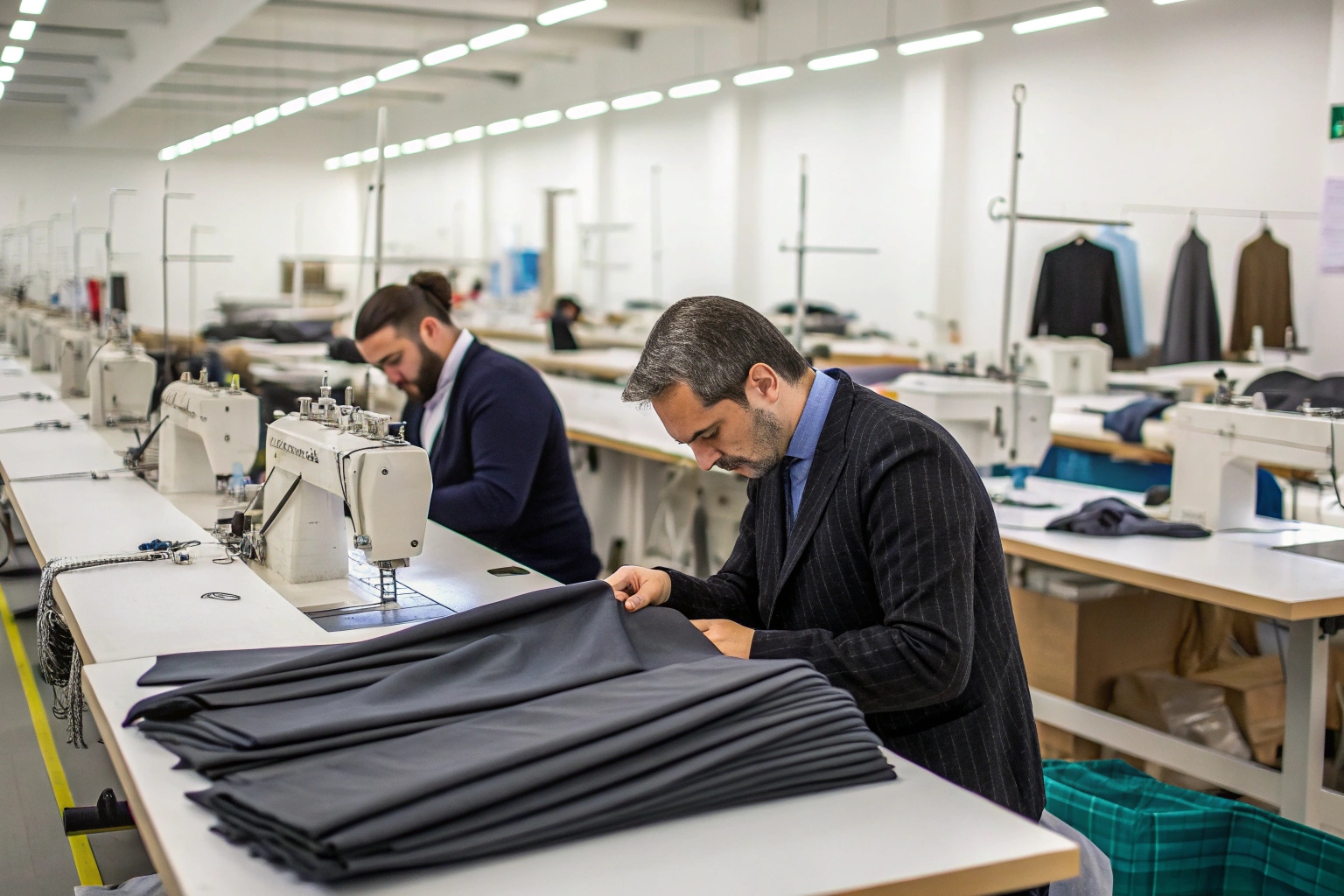
Choosing the Right Manufacturing Partner
Price should not become the only factor when selecting a manufacturer. A low production quote may look attractive initially, but poor quality can create higher costs later. Instead, brands should evaluate the manufacturer’s experience, communication, production capabilities, quality standards, and delivery record.
Ask potential partners about their quality control process. Find out how they handle samples, revisions, material sourcing, and production changes. It also helps to review examples of similar products they have created. A strong manufacturer should explain the production process clearly. They should also communicate potential problems instead of hiding them until the final stage.
Quality Control Should Continue Throughout Production
Quality control should not happen only after manufacturing ends. Teams should monitor quality at several stages. Material inspection comes first. The manufacturer should check leather for consistency, appearance, and suitability for the product. Next, teams should monitor construction. They should examine stitching, seams, hardware, lining, and other components during production. Finally, workers should inspect finished products before packaging and shipment. This final check can catch defects that earlier inspections may have missed. Consistent quality control helps brands reduce returns and customer complaints. It also protects the reputation they have worked hard to build.
Build a Long-Term Manufacturing Relationship
A reliable manufacturer can become more than a production supplier. Over time, the partnership can become an important part of the brand’s growth strategy. When manufacturers understand a brand’s standards, they can work more efficiently on future collections. They become familiar with preferred materials, construction methods, measurements, and finishing details. Long-term relationships can also improve communication. Both teams learn how to discuss problems and make decisions more effectively. This becomes especially valuable when a brand expands its product range. New designs may require additional materials, techniques, or production capabilities. A trusted partner can help manage those changes more smoothly in Leather Clothing.
Questions to Ask Before Choosing a Manufacturer
Before signing a manufacturing agreement, brands should ask several important questions.
- What quality control procedures do you follow?
- Can you provide samples before bulk production?
- Do you have experience with similar products?
- How do you handle custom specifications?
- What happens when a sample requires revisions?
- How do you manage production deadlines?
- What support do you provide after production?
Clear answers can help brands understand whether a manufacturer fits their needs.
Final Thoughts
Choosing the right manufacturing partner can shape the success of a premium fashion brand. From wholesale bags and custom purses to wallets and Leather Clothing, every product needs careful attention to materials, construction, finishing, and quality control. The right partner can help a brand maintain consistent standards while scaling production. More importantly, a skilled manufacturer can turn creative ideas into products that customers trust and enjoy.
Brands should therefore look beyond price when evaluating manufacturers. Experience, craftsmanship, communication, quality control, and reliability deserve equal attention. A strong manufacturing relationship can support more than today’s production order. It can help a brand build better products, strengthen its reputation, and prepare for long-term growth in a competitive fashion market.


