

 Written By
 Society functions because people follow rules. Laws keep communities safe and orderly. Every single person holds specific entitlements under the law. These protections safeguard individuals from unfair treatment. Therefore, legal rights form the bedrock of a fair society. People rely on these safeguards every single day. They protect speech, property, and personal safety.
Understanding the Core Concept
What does this term actually mean? Experts define it as claims recognized by law. Governments grant these entitlements to every citizen. They establish a clear boundary between acceptable and unacceptable behavior.
Think of it as a protective shield. Individuals use these rules to defend themselves against tyranny. Courts enforce these protections strictly. Consequently, powerful entities cannot simply trample on ordinary citizens.
However, freedom does not exist in a vacuum. Every privilege carries a matching duty. People cannot enjoy protections without respecting the boundaries of others. This balance keeps communities stable.
The Foundation of Personal Freedoms
Human beings possess inherent freedoms from birth. Constitutions and legal codes write these freedoms into official text. Free speech allows individuals to voice opinions without fear. Religious freedom lets people worship according to personal beliefs.
Furthermore, privacy remains a fundamental entitlement. Police officers cannot search a home without a proper warrant. Courts require solid evidence before taking away liberty. These checks and balances stop government overreach.
Citizens often take these protections for granted. Yet, people fought hard for centuries to secure them. Recognizing their value ensures they survive for future generations.
The Role of Civic Responsibilities
Privileges cannot survive without active duties. Every citizen owes specific obligations to the state and to neighbors. Taxes fund public schools, roads, and emergency services. Paying taxes forms a mandatory legal duty for all earners.
Jury duty represents another vital civic obligation. Citizens sit in courtrooms to judge peers fairly. This system ensures justice comes from regular people, not just elite rulers.
Moreover, obeying local ordinances keeps neighborhoods safe. People must drive within speed limits and respect property lines. Neglecting these basic duties creates chaos and harms the community.
Navigating the Employment Sector
The workplace presents unique challenges for citizens. Employees face harsh conditions when bosses lack oversight. Labor laws step in to protect workers from abuse. Labor standards guarantee safe working conditions. Bosses cannot discriminate based on race, gender, or age. Workers earn a fair minimum wage for their labor.
Conversely, employees hold strict duties too. Workers must show up on time and complete assigned tasks. They must protect company secrets and respect safety rules. Legal rights protect workers from unfair firing, but employees must perform their jobs honestly.
Consumer Protections in the Marketplace
Commerce drives the modern economy. People buy goods and services constantly. Unfortunately, dishonest sellers sometimes try to cheat buyers. Consumer protection laws stop fraudulent business practices. Buyers demand safe products that work as advertised. If a product causes harm, the buyer can sue the manufacturer.
At the same time, consumers hold responsibilities. Shoppers must read contract terms before signing. They must use products correctly according to safety guidelines. Balance in the marketplace protects both buyers and sellers.
Property Ownership and Boundaries
Owning land or a home gives people a strong sense of security. Real estate laws protect owners from illegal trespassing. Nobody can take private property without a valid legal reason.
Yet, property ownership involves heavy obligations. Homeowners must pay local property taxes on time. They must keep buildings up to code to prevent public hazards.
Furthermore, property owners respect environmental laws. They cannot dump toxic waste onto soil or waterways. Balancing personal ownership with public safety requires constant vigilance.
The Criminal Justice System
Accusations do not equal guilt. Every accused person holds strong constitutional protections. A suspect stays innocent until a court proves guilt beyond doubt.
Law enforcement officers must follow strict procedures during arrests. They must read Miranda rights before questioning a suspect. Torture or forced confessions remain strictly illegal.
In exchange, citizens hold a duty to cooperate with lawful investigations. People must respect court orders and appear when subpoenaed. This system balances state power against individual liberty carefully.
Family Law and Domestic Duties
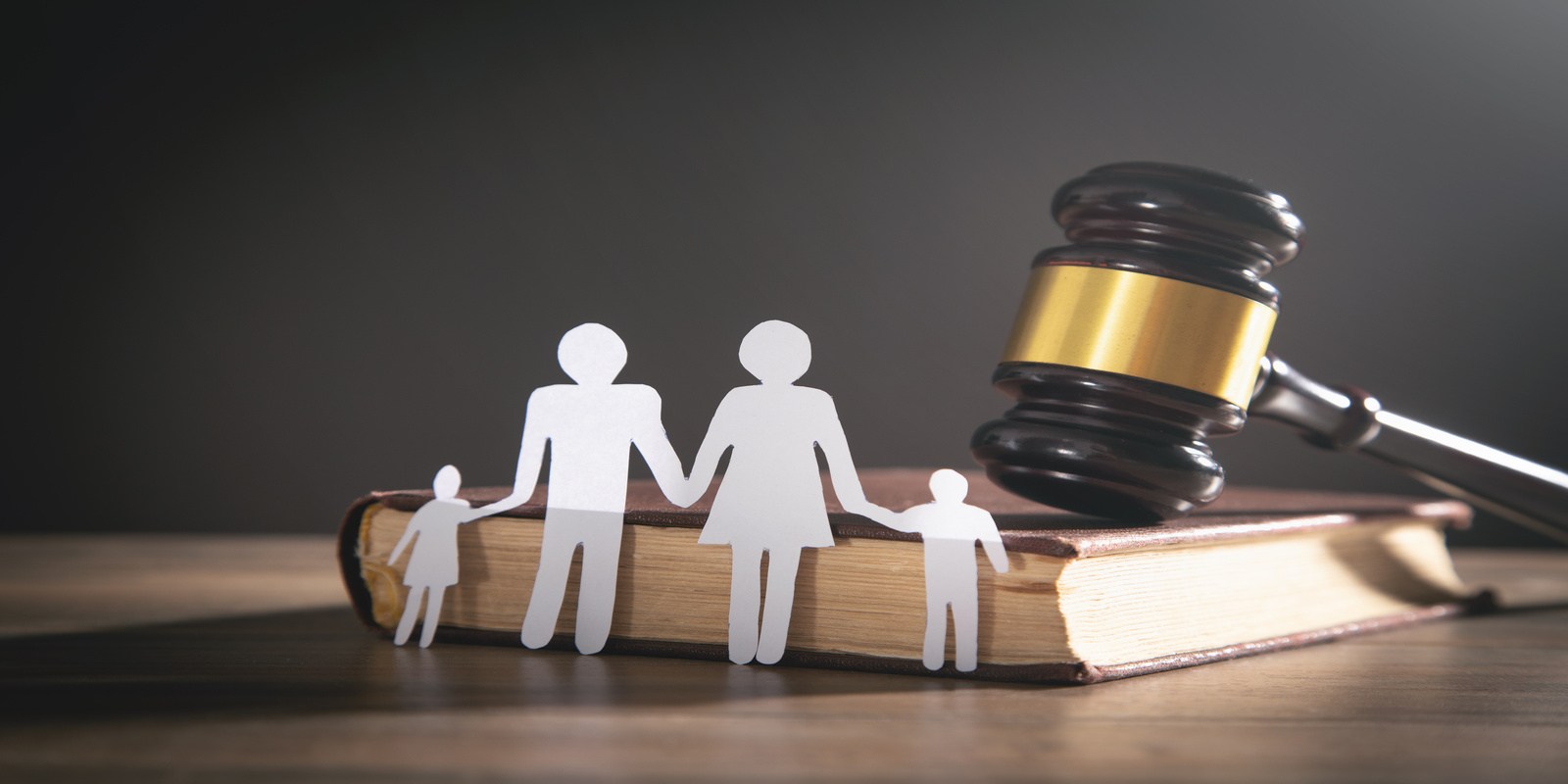
Families represent the basic unit of society. Laws govern marriage, divorce, and child rearing.
Parents hold a absolute duty to care for minor children. They must provide food, shelter, education, and medical care. Neglecting a child brings severe criminal penalties.
Simultaneously, family members enjoy protections against domestic abuse. Courts issue restraining orders to keep victims safe from violent partners. Legal rights ensure that vulnerable family members find refuge from harm.
The Digital Age and Privacy Challenges
Technology creates entirely new legal battlegrounds. Internet users share personal data across countless websites daily. Cybersecurity laws attempt to keep this information secure from hackers.
Individuals demand privacy online. Corporations cannot sell private messages without explicit consent.
However, users hold responsibilities in digital spaces too. Spreading online defamation or stealing digital content breaks the law. Respecting intellectual property prevents digital theft.
Resolving Disputes Peacefully
Conflicts happen naturally among humans. Disagreements arise over contracts, boundaries, and debts. People cannot resort to violence to settle arguments.
Civil courts provide a peaceful venue for dispute resolution. Plaintiffs file lawsuits to demand compensation for damages. Defendants present their side of the story before an impartial judge.
This organized process maintains civil peace. It replaces street fights with courtroom arguments. Justice prevails through logic and evidence rather than brute force.
Challenges in the Modern Era
The legal landscape shifts constantly. New technologies and social movements demand updated rules. Access to justice remains a massive hurdle. Lawyers cost a fortune. Poor citizens often struggle to afford proper representation in court. Legal aid clinics work hard to bridge this unfair gap.
Furthermore, complex legal jargon confuses ordinary people. Laws need simplification so citizens understand daily obligations easily. Transparency builds stronger compliance and trust.
Final Thoughts
A thriving society depends on harmony between freedom and duty. Legal rights empower individuals to live with dignity and safety. Civic responsibilities ground those freedoms in reality and shared sacrifice.
Citizens must stay informed about changing laws. Understanding personal entitlements protects people from exploitation. Fulfilling civic duties keeps communities strong and secure. Through mutual respect and rule of law, society continues to progress toward true fairness for all.


