 Written By
  Reviewed By Sasha Riley
Introduction
Facing a lung cancer diagnosis often means weeks of tests, uncertainty, and delays before treatment can begin. But what if you could be diagnosed and cured in a single day? Thanks to recent advances in imaging, liquid biopsies, and minimally invasive treatments, some centers now offer a one-day lung cancer pathway. In just a few hours, patients receive scans, confirm their diagnosis with precision testing, and undergo targeted therapy—all before the day ends. This breakthrough not only speeds up care but also reduces stress, side effects, and costs. Here’s how this innovative approach works—and why it could reshape the future of cancer care.
1. The Urgency of Early Lung Cancer Detection
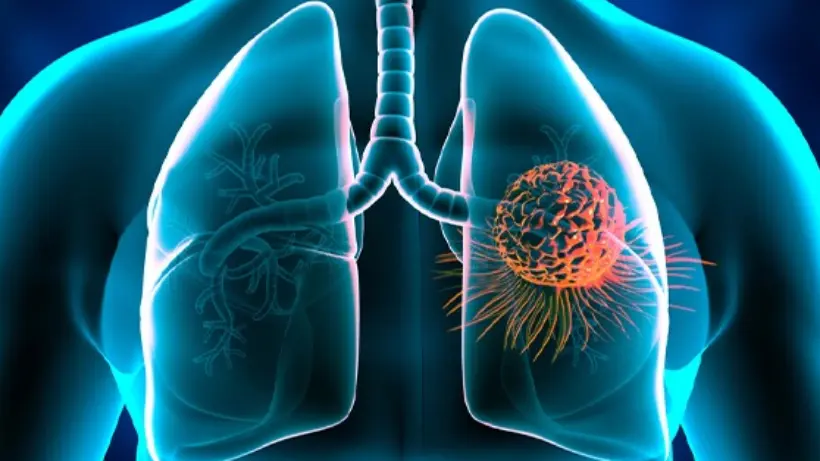
Lung cancer is the leading cause of cancer death worldwide. Survival rates depend heavily on stage at diagnosis:
- Stage I (early disease): 60–80% five-year survival.
- Stage IV (advanced disease): Less than 10% five-year survival.
Delays in diagnosis allow tumors to grow and spread. Traditional care involves multiple visits for CT scans, PET scans, biopsies, and specialist consultations—often over several weeks. Each delay can mean the difference between a curable and incurable disease.
2. Cutting-Edge Screening and Imaging
2.1 Low-Dose CT Scans
Low-dose computed tomography (LDCT) is now standard for high-risk patients (heavy smokers, older age). LDCT detects small lung nodules as early as a few millimeters across. When combined with AI algorithms, radiologists can flag suspicious lesions in seconds.
2.2 AI-Assisted Image Analysis
Artificial intelligence (AI) tools analyze CT images in real time, highlighting nodules that warrant further study. This speeds up reporting from days to minutes and reduces human error. AI can also estimate a lesion’s malignancy risk, prioritizing which spots need immediate attention.
3. Rapid Diagnosis with Liquid Biopsy
3.1 What Is a Liquid Biopsy?
A liquid biopsy detects tumor DNA (circulating tumor DNA, or ctDNA) in a simple blood draw. Unlike traditional tissue biopsies, which require invasive procedures and days of lab work, liquid biopsies deliver results in 4–6 hours.
3.2 How It Fits the One-Day Model
- Morning: Patient arrives fasting and receives an LDCT.
- 10 a.m.: Suspicious nodule found; a blood sample is drawn.
- 2 p.m.: Liquid biopsy results confirm cancerous mutations (e.g., EGFR, ALK).
- 3 p.m.: Multidisciplinary team reviews imaging and blood data, finalizing diagnosis and treatment plan.
This rapid sequencing of tests collapses weeks of waiting into hours.
4. Same-Day Minimally Invasive Treatment
4.1 Image-Guided Radiofrequency Ablation
For small, early-stage tumors, radiofrequency ablation (RFA) uses heat delivered through a needle to destroy cancer cells. Under CT guidance, interventional radiologists can perform RFA in a single session:
- 3:30 p.m.: Patient prepped and sedated.
- 4:00 p.m.: Needle inserted into the lung nodule under real-time imaging.
- 4:10 p.m.: Heat destroys the tumor in a 1–2 cm zone.
- 4:30 p.m.: Patient moves to recovery, then goes home the same evening.
4.2 Stereotactic Body Radiation Therapy (SBRT)
For tumors near sensitive structures, SBRT delivers high-dose radiation over one to three sessions. Some centers offer “one-day SBRT” for select cases:
- 4:00 p.m.: Patient undergoes computed tomography for treatment planning.
- 4:30 p.m.: First radiation fraction delivered, targeting the tumor precisely.
- 5:00 p.m.: Treatment ends, and patient is discharged.
These options avoid major surgery and hospital stays, reducing risks and costs.
5. Targeted Therapy and Immunotherapy Options
5.1 Oral Targeted Drugs
When liquid biopsy reveals actionable mutations (e.g., EGFR, ROS1), patients can start oral medications immediately:
- Afternoon: Prescription filled with the first dose given in the clinic.
- Evening: Patient goes home with a clear schedule and 24/7 hotline support.
These drugs can shrink tumors rapidly, often within days, making them ideal for same-day protocols.
5.2 Rapid Immunotherapy
In selected cases, a first dose of immunotherapy (like pembrolizumab) can begin the same day as diagnosis. Oncology nurses administer the infusion in an outpatient setting, with vital signs monitored for a few hours before discharge.
6. Benefits of the One-Day Approach
6.1 Psychological Relief
Rapid diagnosis and treatment prevent the anxiety of waiting. Patients face less fear, uncertainty, and depression—boosting overall well-being.
6.2 Clinical Outcomes
Early treatment leads to smaller tumors, lower metastasis risk, and higher cure rates. By cutting delays, the one-day model may improve long-term survival.
6.3 Cost Savings
Fewer hospital visits and shorter stays reduce costs for patients and insurers. Minimally invasive procedures cut down on operating room use and complications.
6.4 System Efficiency
Clinics using this model optimize scheduling, lab resources, and multidisciplinary teams, benefiting more patients in less time.
7. Challenges and Considerations
7.1 Patient Selection
Not all lung cancer patients qualify. Ideal candidates have:
- Small (≤3 cm) peripheral tumors.
- No nodal or distant spread on initial imaging.
- Favorable mutation profiles for targeted drugs.
Advanced cases still need traditional workups and treatments.
7.2 Access to Technology
High-end CT scanners, AI software, and liquid biopsy platforms require investment. Rural or underfunded centers may lack these tools, widening care gaps.
7.3 Multidisciplinary Coordination
Seamless one-day care hinges on teamwork among radiologists, pathologists, surgeons, and oncologists. Clinics must develop protocols and communication systems to avoid bottlenecks.
7.4 Reimbursement and Regulation
Insurers must recognize and cover one-day lung cancer pathways. Regulators need to update guidelines for same-day consent, drug dispensing, and follow-up care.
8. Case Study: A Patient’s Journey
Mr. Patel, a 62-year-old former smoker, noticed a mild cough and booked a rapid lung cancer clinic appointment. By 9 a.m., he had an LDCT that revealed a 2.5 cm nodule. A blood draw confirmed an EGFR mutation by early afternoon. At 3 p.m., he swallowed his first dose of osimertinib (a targeted therapy). He returned home by 6 p.m., relieved and hopeful. Three months later, his scans showed the nodule had nearly vanished, and he continued on oral therapy with minimal side effects.
9. The Future of Same-Day Cancer Care
Advances on the horizon include:
- Faster Liquid Biopsies: Near-instant ctDNA testing using microfluidics.
- AI-Guided Ablation: Autonomous needle placement with robotic arms.
- Personalized Vaccines: Same-day neoantigen vaccines to boost immune response.
- Mobile Clinics: Outfitted vans bringing rapid diagnostics to remote communities.
These innovations promise to expand single-day cures beyond lung cancer to other early-stage tumors.
Conclusion
The idea of being diagnosed and cured of lung cancer in a single day once seemed impossible. Yet thanks to low-dose CT scans, AI-driven imaging, liquid biopsies, and minimally invasive treatments, this dream is becoming reality for select patients. By collapsing weeks of testing and treatment into hours, the one-day protocol offers faster relief, better outcomes, and lower costs. While challenges remain—patient selection, technology access, and insurance coverage—the success stories already emerging point to a new era in cancer care. As more centers adopt these rapid pathways, lung cancer patients can look forward to a future where fear and delay give way to swift, effective cures—all in the span of one remarkable day.