 Written By
  Reviewed By Briana Alison
Introduction
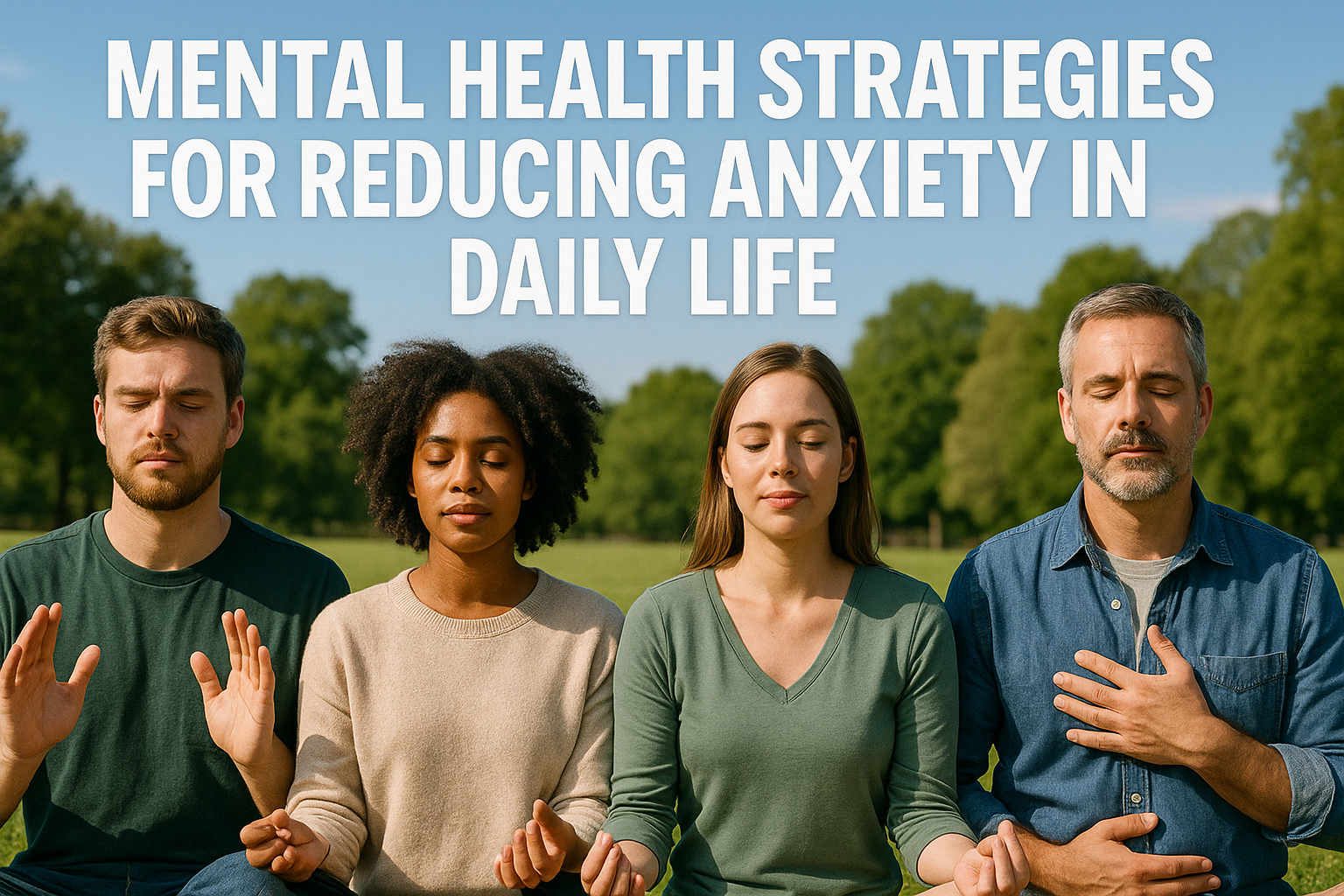
Anxiety touches us all at some point. A racing mind before a meeting, worry about the future, or tension in your chest—these signs can disrupt daily life. Yet simple mental health strategies can help you find calm. By learning how to manage stress, practice mindfulness exercises, and build healthy habits, you reduce anxiety and boost well-being. This article offers clear, easy-to-follow methods for reducing anxiety in daily life. You’ll discover breathing tricks, relaxation practices, self-care routines, and more—all written in simple words and short paragraphs for excellent readability. Let’s explore how to take control of your mind and live with greater peace.
What Is Anxiety?

Anxiety is the body’s response to stress or perceived threat. It triggers a “fight-or-flight” reaction—your heart races, palms sweat, and muscles tense. In small doses, anxiety can motivate you to prepare for events or solve problems. But when it becomes constant or overwhelming, it disrupts sleep, focus, and health.
Daily anxiety can show as:
- Worry that feels hard to control
- Restlessness or irritability
- Trouble sleeping or concentrating
- Physical symptoms like headaches or upset stomach
Top Mental Health Strategies for Reducing Anxiety in Daily Life
1. Mindfulness Exercises for Calm
Mindfulness means focusing on the present moment without judgment. It stops your mind from racing into “what-ifs.” Try this simple practice:
Sit comfortably. Close your eyes and take three slow breaths. Notice how air moves in and out. Then, scan your body from head to toe. Notice any tight spots and breathe into them. If your mind wanders, gently bring it back to your breath.
Do this for five minutes each morning or during a work break. Over weeks, you’ll find your baseline stress level lowers. Mindfulness becomes a powerful tool for reducing anxiety and staying grounded.
2. Breathing Techniques to Reduce Stress
Breathing controls your nervous system. When you breathe slowly and deeply, your body shifts from “fight-or-flight” to “rest-and-digest.” Here are two breathing exercise techniques:
- Box Breathing: Inhale for four counts, hold your breath for four, exhale for four, hold for four. Repeat for one to two minutes.
- 4-7-8 Breathing: Inhale for four counts, hold for seven, exhale for eight. Repeat until you feel calmer.
Practice these exercises anytime you feel tense—before a presentation, during a commute, or when negative thoughts creep in. With each deep breath, you signal to your body that it is safe to relax.
3. Exercise and Physical Activity
Moving your body releases endorphins natural mood lifters. You don’t need hours at the gym. A 20-minute walk, yoga session, or dance-along video can ease tension and clear your mind benfits for both physical and mental health.
Aim for at least 30 minutes of moderate activity most days. Try to mix cardio, strength moves, and stretching. Even a few quick sets of squats or push-ups at your desk can break the cycle of worry. Regular exercise also improves sleep quality, a key factor in daily anxiety relief.
4. Sleep Hygiene and Rest
Poor sleep fuels anxiety, and anxiety disrupts sleep. Break this loop with better self-care routines:
- Go to bed and wake up at the same time daily.
- Keep screens out of the bedroom. Stop phone and TV use one hour before sleep.
- Create a calming pre-sleep ritual read a book, take a warm bath, or listen to soft music.
- Make your room cool, dark, and quiet.
Track your sleep in a simple journal. Note bedtime, wake time, and how rested you feel. Small tweaks—like moving your alarm earlier—can yield big gains in mood and stress levels.
5. Nutrition and Hydration
What you eat affects your brain. Foods high in sugar or caffeine can spike anxiety. Instead, focus on a balanced diet:
- Include lean proteins (fish, chicken, beans) for steady energy.
- Eat whole grains (brown rice, oats) to avoid sugar crashes.
- Add healthy fats (avocado, nuts) for brain health.
- Drink plenty of water dehydration can worsen stress.
Herbal teas like chamomile or peppermint soothe the mind. Try a warm cup in the evening as part of your self-care routine.
6. Stress Management Tips for Everyday Life
Work, family, and errands all add up. Use these stress management tips to stay balanced:
- Time Blocking: Schedule tasks in chunks. Include breaks every hour.
- Priority Lists: At daybreak, list three key tasks. Focus on these first.
- Delegate: Ask for help with chores or errands. You don’t have to do everything yourself.
- Say No: It’s okay to decline extra commitments when you feel overloaded.
By managing time and duties, you cut down on last-minute rush and reduce anxiety triggers.
7. Relaxation Practices and Hobbies
Set aside time for activities you love. Painting, gardening, or playing music can shift your mind from anxiety to flow. Relaxation techniques like meditation, mindfulness, and deep breathing. These relaxation practices offer natural stress relief for both body and mind.
Even simple hobbies puzzles, cooking, reading provide mental breaks. Keep a list of quick hobby ideas you can dip into for ten minutes when you feel anxious.
Future of Anxiety-Reduction Approaches
Looking ahead, mental health support will become even more accessible and personalized. Advances in mobile apps may offer real-time stress tracking and custom tips when your anxiety spikes. Online communities could pair you with “accountability buddies” who share progress and motivate each other. Virtual reality tools might soon let you practice calming exercises in soothing digital environments. Employers and schools are likely to expand on-site or virtual wellness programs. As technology and social support evolve, everyone will have clearer paths and smarter tools to keep daily anxiety in check.
Comparative Table: Anxiety-Reducing Strategies
| Strategy | Time Needed | Key Benefit | Ease of Practice |
|---|---|---|---|
| Mindfulness Exercises | 5–10 minutes | Immediate focus, calm mind | Easy |
| Box Breathing | 2–5 minutes | Regulates nervous system | Very easy |
| Moderate Exercise | 20–30 minutes | Releases endorphins | Moderate |
| Sleep Hygiene | Ongoing habit | Improves rest and mood | Requires planning |
| Balanced Nutrition | Daily meals | Stabilizes energy levels | Easy with prep |
| Time Blocking | Daily | Reduces overwhelm | Moderate |
| Social Support | 10–30 minutes | Emotional relief | Easy |
| Hobby Breaks | 10–20 minutes | Mental reset | Very easy |
Conclusion
Anxiety may feel overwhelming, but you have tools to regain calm. Mental health strategies like mindfulness exercises, breathing techniques, balanced nutrition, and strong self-care routines work together to reduce stress. Use time management, social support, and hobbies to break worry cycles. Track your progress in simple logs and adjust as needed. If anxiety persists, seek professional help to guide you further. With consistent practice, you build resilience and enjoy daily life more fully.