 Written By
  Reviewed By Sunny Clark
Introduction
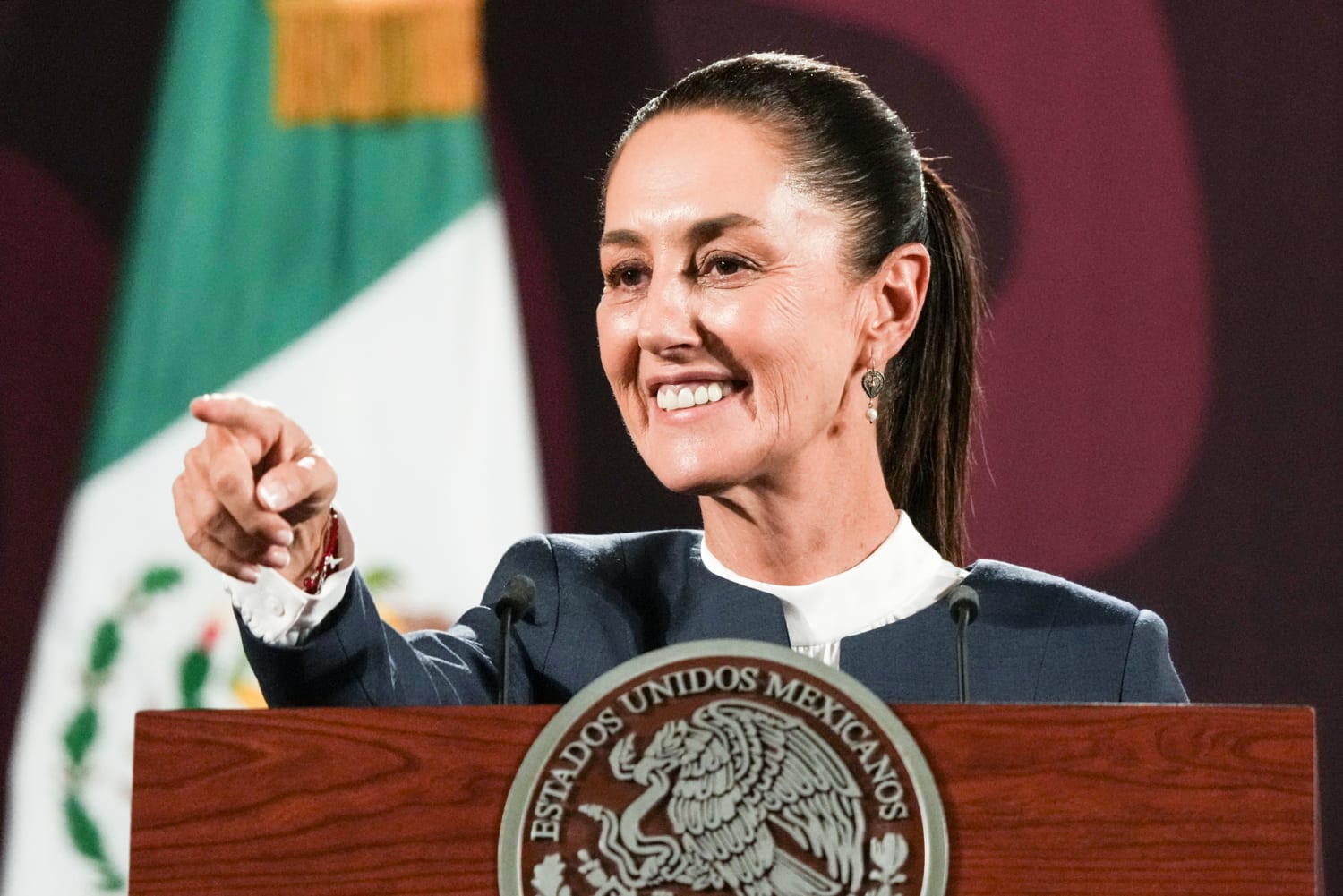
On June 2, 2024, Mexico witnessed a landmark moment when Claudia Sheinbaum secured a decisive victory to become the country’s first woman president. Her win not only shattered a 200-year political barrier but also underscored decades of progress toward gender equality in Mexican governance. In this article, we explore Sheinbaum’s journey, the factors behind her landslide win, its broader significance, and the challenges she faces as she takes office.
A Historic Election Night
Claudia Sheinbaum, the candidate for the ruling Morena party, captured 58% of the vote, while her closest rival, Xóchitl Gálvez of the opposition, trailed with 26.6%. The third candidate, Jorge Álvarez Máynez, garnered about 9.9% of votes. Sheinbaum’s margin of victory over 32 percentage points—represented the largest winning spread in Mexican presidential history, as she amassed 35.9 million votes, surpassing Andrés Manuel López Obrador’s 2018 record of 30.1 million.
From Scientist to Stateswoman
Born on June 24, 1962, in Mexico City, Claudia Sheinbaum Pardo trained as an energy and climate scientist before entering politics. She earned a PhD from the National University of Mexico (UNAM) and later served as Secretary of the Environment for Mexico City. In 2018, she became Head of Government of Mexico City—the first woman elected to that post—and built a reputation for progressive environmental policies and social programs. Her scientific background and technocratic style appealed to voters seeking both expertise and compassionate leadership.
Campaign Themes and Tactics
Sheinbaum rallied support behind the slogan “It’s time for women,” emphasizing that gender should never limit one’s ambitions. She highlighted her track record on reducing pollution, expanding social welfare, and championing renewable energy projects. Throughout the campaign, she faced only female opponents, marking the first time Mexico’s presidential race was contested entirely by women.
Key tactics included:
- Mass rallies across urban and rural areas to connect directly with communities.
- Digital outreach, leveraging social media platforms to engage young voters.
- Coalition-building with labor unions and grassroots movements, reinforcing her predecessor’s pro-poor agenda while promising reforms to strengthen democracy.
Her message resonated strongly in states like Guanajuato and Campeche, traditionally opposition strongholds, helping her flip Guanajuato—a PAN bastion by presenting a vision of inclusive growth and security.
Significance of a Female President
Sheinbaum’s election marks more than a personal victory; it is a milestone for women’s political participation in Mexico. Women won the right to vote in 1955, and since then, reforms have gradually increased female representation in government. By 2024, 13 out of 32 governors were women, and Congress boasted equal gender representation—unprecedented in Mexico’s history.
In her victory speech, Sheinbaum acknowledged the generations of women who paved the way. She dedicated her success to “all those who dreamed that one day our gender would not decide our destiny”. Her ascent to the presidency is also a first for North America, as no other country on the continent has yet elected a female head of state.
Inauguration and Early Priorities
Sheinbaum was sworn in as president on October 1, 2024, in a ceremony at the National Congress attended by international dignitaries, including U.S. First Lady Jill Biden. In her inaugural address, she pledged to continue the social programs that underpinned her coalition’s success while tackling pressing issues such as crime, economic slowdown, and environmental sustainability.
Her top priorities include:
- Public Security: Reducing cartel violence and homicide rates, which exceeded 164,000 over the previous six years.
- Economic Recovery: Addressing a slowing economy exacerbated by global supply chain disruptions.
- Social Welfare: Expanding pensions and minimum wage protections as part of her pro-poor policy agenda.
- Judicial Reform: Strengthening the independence of courts and combating corruption.
- Climate Action: Investing in renewable energy and enforcing stricter environmental regulations, drawing on her scientific expertise.
Regional and Global Impact
Regionally, Sheinbaum’s presidency shifts Mexico’s diplomatic posture. Her decision to not invite Spain’s king to her inauguration highlighted ongoing tensions over colonial-era reparations and underscored her commitment to decolonial discourse.
On the global stage, she must navigate the U.S.-Mexico relationship, particularly trade under the renewed USMCA agreement set to be revisited in 2026. Her emphasis on green technologies may open pathways for bilateral cooperation on climate initiatives, while migration and drug trafficking remain areas requiring joint solutions.
Challenges Ahead
While her supermajority in Congress affords legislative leverage, critics warn of potential overreach. Proposed constitutional changes such as reducing lawmakers and introducing judicial elections—have sparked debate over democratic checks and balances. Moreover, trust in institutions is fragile amid concerns of press freedom and judicial independence.
Security remains a stubborn hurdle. Despite social programs, cartel violence persists across many states. Success will depend on coordinated policing reforms, community engagement, and international intel sharing.
Conclusion
Claudia Sheinbaum’s rise to Mexico’s presidency is a testament to the enduring power of progress and representation. Her win as the first woman to hold this office breaks a two-century-old barrier and inspires a new generation of leaders. Drawing on her scientific background and deep commitment to social equity, she faces the dual tasks of sustaining economic growth and curbing violence. As she steers Mexico through global uncertainties and domestic challenges, her presidency signals a bold chapter in the nation’s history—one defined by inclusion, innovation, and the unwavering belief that leadership knows no gender.