
 Written By
  Reviewed By Robert David
Introduction
Mindful eating means paying full attention to your food. It’s about tasting each bite and noticing how your body feels. Instead of rushing meals, you slow down and focus on hunger and fullness signals. Science shows that this habit can improve digestion, help manage weight, and boost overall well-being. For students, parents, and busy adults alike, mindful eating offers a simple way to make healthier choices without strict diets. In this article, you will learn what mindful eating is, why it matters, science-backed habits to practice, tips for getting started, and how to turn these habits into a lifelong routine. Let’s explore mindful eating and how it can transform your health.
Food sits at the heart of family, culture, and joy. Yet fast schedules push many of us to gulp meals while checking phones or rushing between meetings. The brain barely notices flavor, and the belly fails to signal fullness until plates are long empty. Over time, mindless bites raise weight, spike blood sugar, and dull the simple pleasure of good food.
It blends ancient awareness practices with modern nutrition science to help you taste every forkful, read your body’s hunger signals, and choose foods that fuel wellness instead of just filling space. This article unpacks the science behind mindful eating, offers step-by-step habits anyone can adopt, and shows how these small shifts improve energy, mood, and long-term health.
What Is Mindful Eating and Why It Matters
Mindful eating comes from the broader practice of mindfulness. Mindfulness means being fully present in the moment without judgment. When applied to food, it means slowing down, chewing carefully, and paying attention to hunger and fullness signals.
This approach contrasts with mindless eating, when you snack while watching TV or scroll on your phone. Mindless eating often leads to overeating because you lose track of how much you consume. By eating mindfully, you become aware of flavors, textures, and portions. This awareness helps you enjoy food more and avoid eating past fullness.
Researchers find that mindful eating reduces stress and emotional eating. When you eat in response to feelings rather than hunger, you may reach for unhealthy snacks. Mindful eating teaches you to recognize emotional triggers, pause, and choose healthier coping strategies. Over time, this habit can lead to better food choices and a healthier relationship with eating.
How Mindful Eating Improves Nutrition and Health

Mindful eating offers a range of health benefits supported by science. It can improve digestion, support weight management, and enhance your relationship with food.
Improves Digestion
Eating slowly and chewing extensively helps break down food. Chewing mixes food with saliva, which contains digestive enzymes. Properly chewed food moves more easily through the stomach and intestines. This process reduces bloating, gas, and indigestion.
In one study, people who ate mindfully reported fewer digestive issues than those who ate quickly. By savoring each bite and pausing between bites, you give your gut time to signal fullness and begin its work.
Supports Weight Management
Mindful eating helps control portions. When you eat slowly, you notice fullness cues before you overeat. This awareness reduces calorie intake without strict diets or counting.
A review of research found that mindful eaters lost more weight over time compared to control groups. They maintained weight loss more easily because they learned to stop eating when satisfied rather than stuffed.
Reduces Emotional Eating
Stress and emotions often trigger cravings for comfort foods. Mindful eating teaches you to recognize these triggers. Instead of automatically reaching for a snack, you pause and ask, “Am I truly hungry or just stressed?”
Over time, this pause gives you space to choose healthier coping methods, like deep breathing or a short walk. Reducing emotional eating supports stable energy levels and a balanced diet.
Enhances Food Enjoyment
When you focus on the taste, smell, and texture of food, you enjoy it more. Mindful eating turns each meal into a sensory experience. This enjoyment can reduce cravings for overly sweet or salty foods because you appreciate subtle flavors in fruits, vegetables, and whole grains.
Chewing and Digestion
Chewing well breaks food into smaller pieces, giving enzymes in saliva more surface area to work on. Better breakdown in the mouth eases tasks for the stomach and intestines. A study in the American Journal of Clinical Nutrition showed that chewing almonds forty times—versus ten—boosted absorption of healthy fats by 15 percent.
Science-Backed Mindful Eating Habits
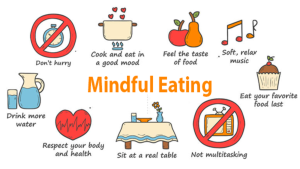
Researchers recommend specific habits to practice mindful eating. These habits are simple but require focus and practice.
Eat Slowly and Chew Thoroughly
Slow down each meal. Put your fork down between bites. Chew each mouthful at least 20 times. This habit allows you to taste flavors fully and gives your brain time to register fullness. Slow eating also supports proper digestion.
Focus on Hunger and Fullness Cues
Before eating, rate your hunger on a scale of 1 to 10. Aim to start eating around 3–4 and stop around 7. Check in midway through your meal. This simple rating system helps you learn your body’s signals and avoid overeating.
Remove Distractions While Eating
Turn off the TV and silence your phone. Sit at a table with minimal distractions. When your mind is not on work emails or social media, you can focus on your meal. This focus helps you notice when you are full and enjoy the eating process.
Plan Balanced Meals Ahead
Mindful eating works best with healthy foods on hand. Plan meals that include protein, fiber, and healthy fats. These nutrients support stable blood sugar and satiety. When you are truly hungry, balanced meals help you stay full longer and avoid impulsive snack choices.
Practice Gratitude and Awareness
Before meals, take a moment to appreciate your food. Notice colors, aromas, and textures. Think about where it came from and the effort to grow or prepare it. This gratitude practice makes eating feel meaningful and reduces the urge to rush.
Table: Mindful Eating Habits and Health Benefits
| Habit | Action Steps | Health Benefit |
|---|---|---|
| Eat Slowly and Chew Thoroughly | Chew 20 times per bite, put down utensil between bites | Better digestion, fullness control |
| Rate Hunger and Fullness | Use a 1–10 scale before and during meals | Portion control, weight management |
| Remove Distractions | Turn off screens, focus at the table | Enhanced awareness, reduced overeating |
| Plan Balanced Meals | Include protein, fiber, healthy fats | Stable energy, reduced unhealthy snacking |
| Practice Gratitude | Pause before eating, reflect on food source | Increased enjoyment, reduced stress |
Tips for Getting Started with Mindful Eating

Adopting mindful eating takes practice. Here are tips to help you begin:
Set Aside Dedicated Meal Times
Choose regular times for meals and snacks. Avoid eating on the go. Even 15 minutes at a table can make a difference.
Use Smaller Plates and Bowls
Portion sizes look larger on smaller dishes. This visual trick helps you serve reasonable amounts and feel satisfied.
Keep a Food Journal
Write what you eat, how fast, and your hunger rating. Note emotions before eating. Reviewing your journal reveals patterns and helps you make mindful changes.
Breathe Between Bites
Pause to inhale deeply once or twice after each bite. This simple breath slows you down and resets your focus on the meal.
Practice One Meal a Day
Start with a single mindful meal daily. Once you master it, add another meal. Gradual practice builds lasting habits without feeling overwhelming.
Engage the Senses
Look at your plate. Name three visual details: shiny skin on bell pepper, steam rising from rice, swirl of herb dressing. Next, inhale the aroma. This simple check-in primes the brain for slower, richer eating.
Set a Fork-Down Rhythm
After every two or three bites, place utensils on the plate and breathe once. This brief gap encourages chewing and reflection on taste and fullness.
Eat Without Screens
Television and phones distract the mind, leading to “silent overeating.” A 2023 trial at the University of Leeds found that adults who ate lunch while watching videos consumed 14 percent more food later in the day compared to those who ate in silence. Use meals as mini digital detoxes.
Honor Satisfaction, Not Clean Plates
Many of us grew up hearing, “Finish everything.” Mindful eating replaces that rule with internal cues. When the pleasant taste of food fades and stomach feels light yet comfortably filled, stop. Leftovers store fine for next time.
Conclusion
Mindful eating combines awareness, gratitude, and simple habits to transform nutrition and health. By eating slowly, listening to hunger cues, and removing distractions, you support better digestion, weight management, and emotional balance. Planning balanced meals, using smaller plates, and keeping a food journal help you make lasting changes. Science shows that these small steps lead to big results over time. Start with one mindful meal each day and gradually build your practice. As you learn to savor each bite, you will develop a healthier relationship with food and stronger well-being.
Call-to-Action
Ready to eat with intention? Try a mindful breakfast tomorrow—turn off your phone, chew slowly, and notice hunger and fullness. Share your experience and inspire others to eat mindfully