

 Written By
 People change their daily habits rapidly. They want better comfort in their daily lives. Therefore, property creators design new layouts. Architecture shifts toward smarter choices. Furthermore, families desire functional spaces. Buyers look for fresh alternatives. Consequently, the real estate market evolves every single day. We explore these exciting updates together by modern housing.
The Evolution of Architecture
Traditional designs feel outdated today. Architects embrace clean lines. They build open floor plans. Natural light floods every room. Furthermore, big windows blur the boundary between indoor areas and outdoor views. People feel closer to nature. Therefore, mental well-being improves significantly. Designers prioritize minimalist aesthetics. Clutter disappears from daily routines. Consequently, living spaces feel larger.
Smart technology integrates into physical structures seamlessly. Homeowners control lighting systems through mobile phones. Thermostats learn daily habits. They adjust indoor temperatures automatically. Security cameras stream live footage directly to pocket devices. Furthermore, voice assistants manage daily schedules. Technology transforms routine tasks. Thus, convenience dictates housing design. Residents save precious time. They enjoy absolute peace of mind.
Sustainable Practices and Eco-Friendly Materials
Environmental consciousness shapes architectural choices today. Builders source renewable materials locally. Bamboo floors replace rare woods. Recycled steel strengthens foundations. Furthermore, solar panels adorn rooftops. Homes generate their own electricity. Energy bills drop drastically. Consequently, families reduce their carbon footprint. Sustainable living stops being a luxury. Instead, it becomes a basic standard.
Water conservation systems improve constantly. Rainwater harvesting tanks store liquid for garden use. Greywater recycling filters water efficiently. Smart irrigation tools water plants only when necessary. Therefore, waste shrinks to zero. Homeowners protect natural resources. Furthermore, insulation materials trap indoor heat effectively. Furnaces work less during winter months. Summer cooling systems consume less electricity. Ultimately, green construction protects both the planet and household budgets.
Multifunctional Layouts for Flexible Lifestyles
Remote work alters domestic requirements completely. Bedrooms double as quiet offices. Living rooms host exercise equipment during morning hours. Therefore, versatility defines modern housing architecture. Flexible furniture dominates interior catalogs. Murphy beds fold into walls neatly. Extendable dining tables host large gatherings easily. Consequently, small apartments accommodate multiple activities without feeling cramped.
Privacy remains a top priority inside shared households. Soundproof walls block unwanted noises. Separate work pods sit in quiet corners. Family members pursue individual hobbies simultaneously. Furthermore, outdoor patios serve as dining areas or relaxation zones. Fluid transitions connect interior rooms with exterior decks. People maximize every single square foot. Thus, clever spatial planning enhances daily life.
Urban Density and Community Living
Cities grow denser by the minute. Urban planners design compact residential hubs. Vertical gardens adorn high-rise towers. Shared rooftop terraces bring neighbors together. Furthermore, co-living spaces attract young professionals. Residents share kitchens and recreational lounges. Rent costs drop significantly through this model. Consequently, city living stays accessible to younger generations.
Public transport links sit right outside apartment lobbies. Residents walk to grocery stores easily. Bike lanes connect neighborhoods safely. Car ownership loses its appeal inside busy metropolitan centers. Furthermore, local parks offer green escapes. Community gardens foster strong social bonds. Neighbors share harvest yields happily. Therefore, urban isolation fades away. People build supportive local networks instead.
The Financial Aspect of Property Investment
Real estate markets react to changing consumer preferences. Properties featuring smart technology command higher prices. Buyers pay extra for energy-efficient systems. Furthermore, eco-friendly certifications boost asset value. Investors target sustainable buildings deliberately. Rental properties with modern upgrades attract quality tenants rapidly. Consequently, landlords experience fewer vacancy periods.
Mortgage lenders offer green home loans nowadays. Borrowers secure lower interest rates easily. Government grants reward sustainable renovations. Therefore, financial incentives accelerate the adoption of housing standards. Smart investors calculate future resale values carefully. They buy properties equipped with electric vehicle charging stations. They prioritize solar infrastructure. Ultimately, forward-thinking investments yield massive financial returns over time.
Interior Design and Aesthetic Preferences
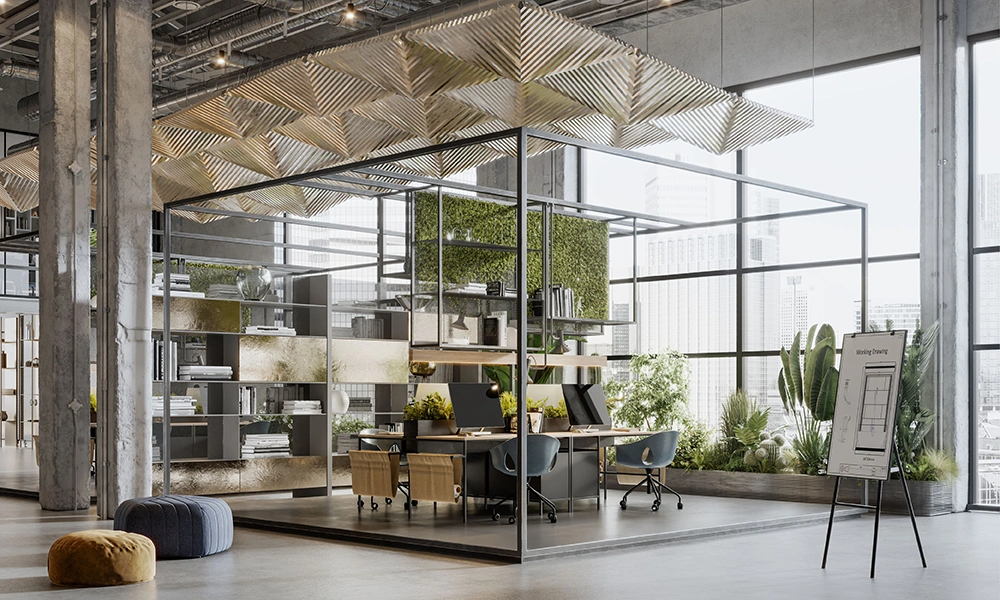
Neutral color palettes dominate contemporary interiors. Soft grays and warm whites create calming atmospheres. Bold accent walls add personality selectively. Furthermore, organic textures bring warmth inside. Wooden accents contrast with sleek metal fixtures. Houseplants decorate empty corners vibrantly. Consequently, rooms feel alive and welcoming.
Storage solutions hide everyday clutter efficiently. Built-in wardrobes utilize vertical wall spaces. Under-bed drawers store seasonal clothing items. Kitchen cabinets reach up to high ceilings. Therefore, countertops remain completely clear. Minimalist styling promotes mental clarity. Residents escape sensory overload easily. Calm environments reduce daily stress levels.
Health and Wellness Integration
Architects focus heavily on human health nowadays. Ventilation systems filter outdoor air continuously. Pollutants stay outside living quarters. Furthermore, non-toxic paints eliminate harmful chemical emissions. Natural wood finishes promote cleaner indoor atmospheres. Consequently, asthma rates drop among residents. Families breathe pure air daily.
Lighting designs mimic natural circadian rhythms. Smart bulbs adjust color temperatures automatically. Bright blue light boosts morning productivity. Warm amber tones encourage evening relaxation. Furthermore, acoustic dampening materials eliminate disruptive noises. Deep sleep comes naturally. Thus, residential buildings actively nurture physical recovery.
The Role of Prefabricated Construction
Traditional construction takes many months. Delays frustrate eager homeowners constantly. Prefabricated modules change this narrative entirely. Factories build walls under strict quality controls. Cranes assemble structures on-site within days. Furthermore, material waste drops significantly during factory production. Weather conditions never halt construction progress.
Cost reductions make homeownership realistic for middle-income families. Prefabricated units offer modern architectural aesthetics at lower prices. Customization options expand continuously. Buyers choose layouts through digital 3D models. Manufacturers deliver exact specifications accurately. Therefore, the housing sector experiences a massive efficiency revolution.
Overcoming Modern Housing Challenges
Housing affordability remains a persistent global hurdle. High interest prices test buyer endurance. Land scarcity drives urban prices upward. However, creative zoning laws combat these issues. Municipalities approve accessory dwelling units legally. Homeowners build backyard cottages. They rent these secondary units out. Consequently, rental inventories expand organically.
Material supply chains face occasional disruptions. Forward-thinking builders source alternatives locally. They avoid international shipping bottlenecks successfully. Furthermore, policy makers introduce subsidies for first-time buyers. Financial counseling programs guide novices carefully. Therefore, market obstacles find practical solutions.
Looking Ahead into the Next Decade
Future innovations promise even greater living standards. Artificial intelligence will manage home automation completely. Drones might deliver packages directly to balcony landing pads. Furthermore, advanced solar glass will capture energy across entire window surfaces. Architecture continues adapting to human needs dynamically.
People will always seek secure and comfortable shelters. The definition of home evolves alongside technology. Sustainability and flexibility remain permanent fixtures. Smart choices secure long-term happiness. Therefore, stay informed about market shifts. Embrace innovative design concepts eagerly. Your living space shapes your entire life journey. Take proactive steps toward a better domestic future today.
Final Thoughts
Achieving financial freedom and building a secure future demands discipline. Consistent effort yields extraordinary results over time. Take your first step today. Educate yourself continuously about market shifts. Adapt your strategies to changing economic conditions. Real estate remains a proven vehicle for wealth creation. Property investment opportunities continue to transform ordinary savers into millionaires. Stay focused on your long-term vision. Hard work and smart execution guarantee ultimate prosperity.


