

 Written By
 Technology has become an important part of everyday life. People use digital tools to communicate, shop, work, learn, travel, and manage their finances. Businesses also rely on technology to improve operations and connect with customers.
However, technology continues to change quickly. New software, intelligent systems, connected devices, and digital platforms now offer practical ways to solve common problems. As a result, companies and individuals have more opportunities to work faster and make better decisions.
Today, organizations do not simply want the newest tools. They want solutions that deliver real value. They want to reduce costs, improve productivity, protect information, and provide better customer experiences. This growing demand has made modern technology a key part of business strategy.
Artificial Intelligence Improves Business Operations
Artificial intelligence has become one of the most influential areas of technology. Companies use AI to analyze information, answer customer questions, create content, detect patterns, and support employees.
For example, customer service teams can use AI assistants to handle common questions. Marketing teams can analyze customer behavior and identify useful trends. Developers can also use AI tools to assist with coding and testing.
Moreover, AI can help businesses process large amounts of information. Employees can spend less time searching through documents and more time focusing on important decisions.
However, companies should use AI carefully. Businesses need accurate information, clear policies, and human review. AI can make mistakes, so employees should check important results before relying on them.
Cloud Technology Supports Flexible Work
Cloud computing has changed the way businesses manage digital infrastructure. Companies can store information, run applications, and access important resources through cloud platforms.
This approach gives businesses greater flexibility. Teams can access files and applications from different locations. Companies can also increase or reduce computing resources as their needs change. Furthermore, cloud services can support remote and hybrid work. Employees can collaborate without working from the same physical location.
Security remains important, though. Businesses should control user access and protect sensitive information. They should also maintain reliable backups and monitor their cloud environments regularly.
Cybersecurity Protects Digital Operations
As companies depend more heavily on digital systems, cybersecurity has become a major priority. Businesses face threats such as phishing, ransomware, malware, account theft, and social engineering. A single security incident can disrupt operations and damage customer trust. Therefore, companies need a strong security strategy.
Businesses can begin with basic protections. Multi-factor authentication can reduce the risk of stolen passwords. Regular software updates can close known security gaps. Employee training can also help people recognize suspicious messages and websites. In addition, organizations should create an incident response plan. When a security problem occurs, employees need to know what actions to take.
Automation Saves Time
Automation helps businesses reduce repetitive work. Traditional systems can follow predefined rules. New intelligent tools can handle more complicated processes. For instance, a company can automate invoice processing, appointment reminders, document organization, and customer request management.
As a result, employees can focus on tasks that require creativity and judgment. Automation does not need to replace human workers. Instead, companies can use it to support employees and remove unnecessary manual work. Businesses should start small when introducing automation. They can choose one process, measure the results, and expand the system after achieving positive outcomes.
Smart Devices Connect the Physical World
The Internet of Things has created new ways to connect physical devices with digital systems. Smart devices can collect information and send it to software platforms for analysis.
Businesses use connected sensors in factories, warehouses, transportation systems, agriculture, and healthcare. These sensors can monitor equipment, track inventory, and identify unusual activity.
For example, a factory can use sensors to monitor machine performance. If the system detects unusual behavior, maintenance teams can investigate before a major failure occurs.
Consumers also benefit from connected technology. Smart thermostats, security systems, lighting controls, and household appliances can make everyday activities more convenient. However, connected devices require strong security. Companies and consumers should update device software and protect their networks.
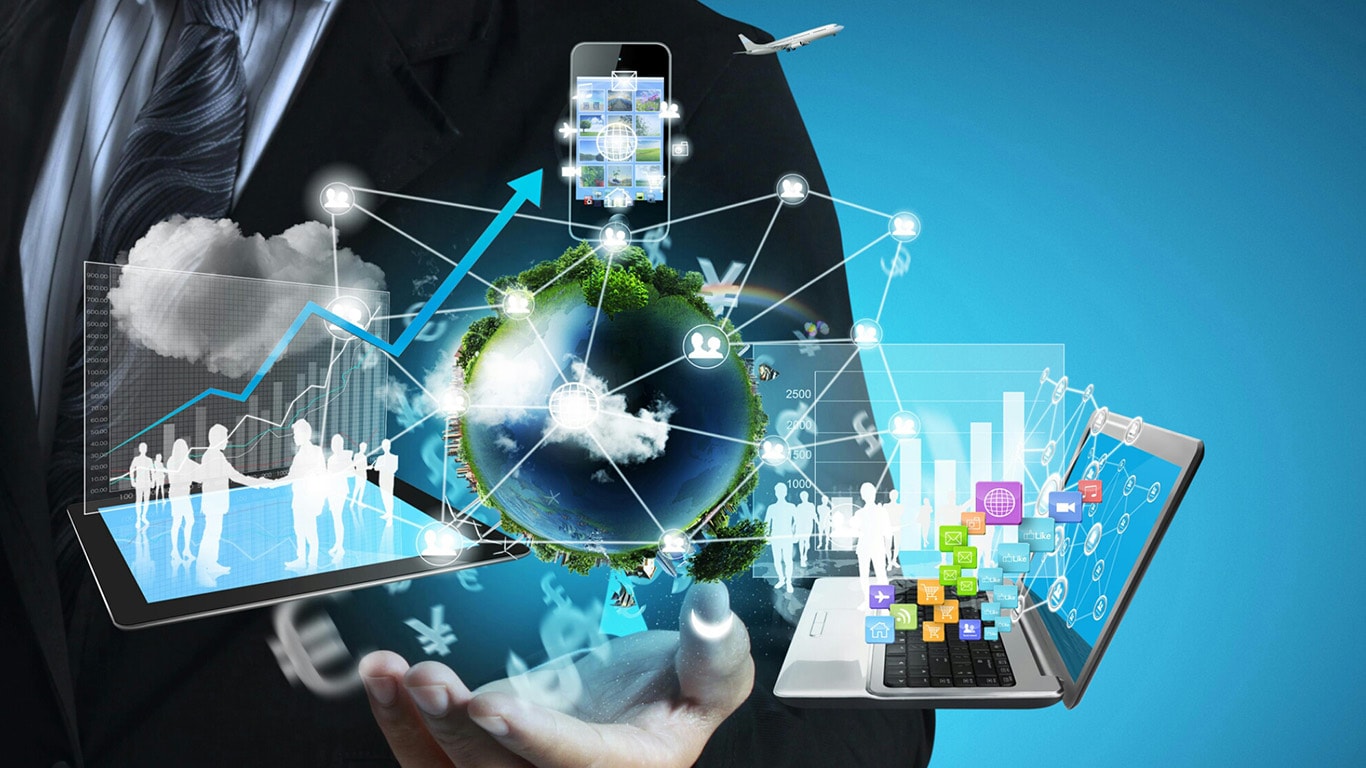
Robotics Expands Across Industries
Robotics has moved beyond traditional manufacturing. Businesses now explore robotic systems for warehouses, agriculture, healthcare, logistics, hospitality, and other industries. Modern robots can combine cameras, sensors, artificial intelligence, and advanced software. These technologies help robots understand their surroundings and perform specific tasks by Modern technology.
Warehouse robots, for example, can move products and assist workers with inventory operations. Agricultural robots can support selected farming activities. Healthcare organizations can also explore robotic systems for certain support tasks. Nevertheless, companies must consider more than the technology itself. They need to plan for maintenance, training, safety, and integration with existing systems.
Edge Computing Enables Faster Responses
Edge computing processes information closer to where organizations generate it. Instead of sending every piece of data to a central cloud server, businesses can process some information locally.
This approach can reduce delays. That advantage matters for applications that need quick responses. Connected vehicles, industrial equipment, smart infrastructure, and autonomous systems can benefit from local processing. Edge technology can also reduce unnecessary network traffic.
As businesses connect more devices, edge computing can help them manage data efficiently. However, companies must secure and maintain each location that performs local processing.
Sustainable Technology Gains Importance
Environmental concerns now influence many technology decisions. Companies increasingly want to reduce energy consumption and minimize waste.
Data centers provide one important example. These facilities require significant amounts of electricity and cooling. Technology providers continue to explore more efficient hardware, improved cooling methods, and renewable energy sources.
Businesses can also use technology to improve their own sustainability efforts. Smart sensors can monitor energy usage. Intelligent software can help companies optimize heating, cooling, transportation, and manufacturing processes. Therefore, sustainable technology can support environmental goals while potentially reducing operating expenses.
Digital Twins Improve Planning
Digital twins create digital models of physical objects, machines, buildings, or systems. Companies can use these models to understand performance and test possible changes. For example, manufacturers can create digital versions of production equipment. Engineers can then examine how different changes might affect performance.
Cities can also use digital models to study transportation networks and infrastructure. This approach can help decisionmakers explore different scenarios before investing in expensive projects. Digital twins work particularly well when companies combine them with sensors, cloud computing, and artificial intelligence.
Technology Should Solve Real Problems
The growing number of digital tools gives businesses many choices. However, companies should not adopt technology simply because it appears popular. Instead, organizations should begin with a clear problem. They should identify what they want to improve and determine how they will measure success.
For example, a business might want to reduce customer response times. Another company may want to improve inventory accuracy. A third organization may need stronger protection against cyber threats.
Once the goal becomes clear, the company can choose the right solution. Employee training also matters. Even the best system cannot deliver strong results if employees do not understand how to use it. Companies should provide practical training and give teams enough time to adapt.
The Future of Digital Innovation
Technology will continue to influence businesses and everyday life. Artificial intelligence, automation, cloud computing, cybersecurity, robotics, IoT, edge computing, and digital twins will likely become more connected.
This integration can create smarter workflows. For example, a connected machine could identify a problem, send information to an AI system, and automatically create a maintenance request.
At the same time, businesses will need to focus on privacy, security, and responsible technology use. Customers want convenient digital services, but they also want control over their information.
Ultimately, modern technology works best when companies use it with a clear purpose. Businesses should focus on practical improvements instead of chasing every new trend.
Final Thoughts
Technology continues to reshape how people and organizations operate. Intelligent software can improve decision-making. Automation can reduce repetitive work. Cloud platforms can provide flexibility, while connected devices can deliver valuable real-time information.
At the same time, cybersecurity and responsible data management remain essential. Companies must balance innovation with safety and reliability. The most effective technology strategy does not involve adopting every available tool. Instead, businesses should identify genuine challenges and choose solutions that address those needs.
As digital capabilities continue to advance, organizations that combine technology with skilled employees, clear goals, and responsible planning can create lasting value. The future belongs to businesses that use technology thoughtfully and turn innovation into practical results. Modern technology will continue to evolve, but its greatest value will come from how effectively people use it to solve real-world problems.


