

 Written By
 The global automotive industry experiences a massive transformation every single year. Brilliant engineers design revolutionary machines that change how humans travel across cities and continents. Furthermore, advanced science fiction concepts turn into everyday realities on public highways. People demand cleaner energy, superior comfort, and unmatched safety features from their cars. Therefore, modern vehicle design evolves at a breathtaking speed. Let us explore the incredible innovations shaping the future of transportation today.
The Rise of Electric Powertrains
Fossil fuels dominated the transportation sector for over a century. Today, clean electric power takes center stage. Automakers build massive battery packs with incredible energy capacities. Consequently, electric cars travel hundreds of miles on a single charge.
Drivers love electric motors because they deliver instant torque. These motors push vehicles forward without any hesitation or engine roar. Moreover, electric cars produce zero tailpipe emissions. Cities embrace this green revolution enthusiastically. Cleaner air improves public health everywhere. Charging stations now appear in parking lots, gas stations, and apartment complexes. Drivers plug in their cars just like smartphones. This seamless energy shift redefines daily commuting habits completely.
Artificial Intelligence Inside the Cabin
Software controls modern cars just as much as mechanical parts do. Artificial intelligence transforms the entire dashboard experience. Advanced voice assistants understand natural human speech instantly. Drivers ask questions, change radio stations, and adjust cabin temperatures without touching buttons.
Machine learning algorithms study individual driver preferences over time. The car remembers favorite seating positions, climate settings, and music playlists. Furthermore, interior cameras monitor driver fatigue continuously. If a driver loses focus, the system sounds an immediate alarm. It suggests a coffee break right away. This high level of computer intelligence keeps roads safe for everyone.
The Evolution of Autonomous Driving
Science fiction promised flying cars for decades. Instead, engineers delivered self-driving systems. Autonomous technology relies on sophisticated sensors, cameras, and radar units. These tools scan the surrounding environment constantly. They spot pedestrians, cyclists, and stray animals in milliseconds by modern vehicle.
Engineers categorize autonomy into distinct levels. Level two systems handle steering and acceleration effortlessly on long highway stretches. Level four and five systems require zero human intervention. Passengers sit back, read books, or work during their daily commute. Traffic accidents will decrease drastically once autonomous cars dominate public roadways. Computers do not get distracted by smartphones or personal stress. They make split-second calculations much faster than human brains.
Advanced Safety Shield Systems
Safety remains the top priority for every major car manufacturer. Traditional seatbelts and airbags saved millions of lives in the past. However, modern safety features prevent accidents before they ever occur.
Automatic emergency braking detects impending collisions instantly. The car slams on the brakes if the driver fails to react in time. Lane-keeping assist prevents unintended drifting on highways. Sensors gently nudge the steering wheel back toward the center of the lane. Blind-spot monitoring systems watch adjacent lanes carefully. They flash warning lights on side mirrors when another vehicle approaches. These active safety shields act as a reliable co-pilot on every single journey.
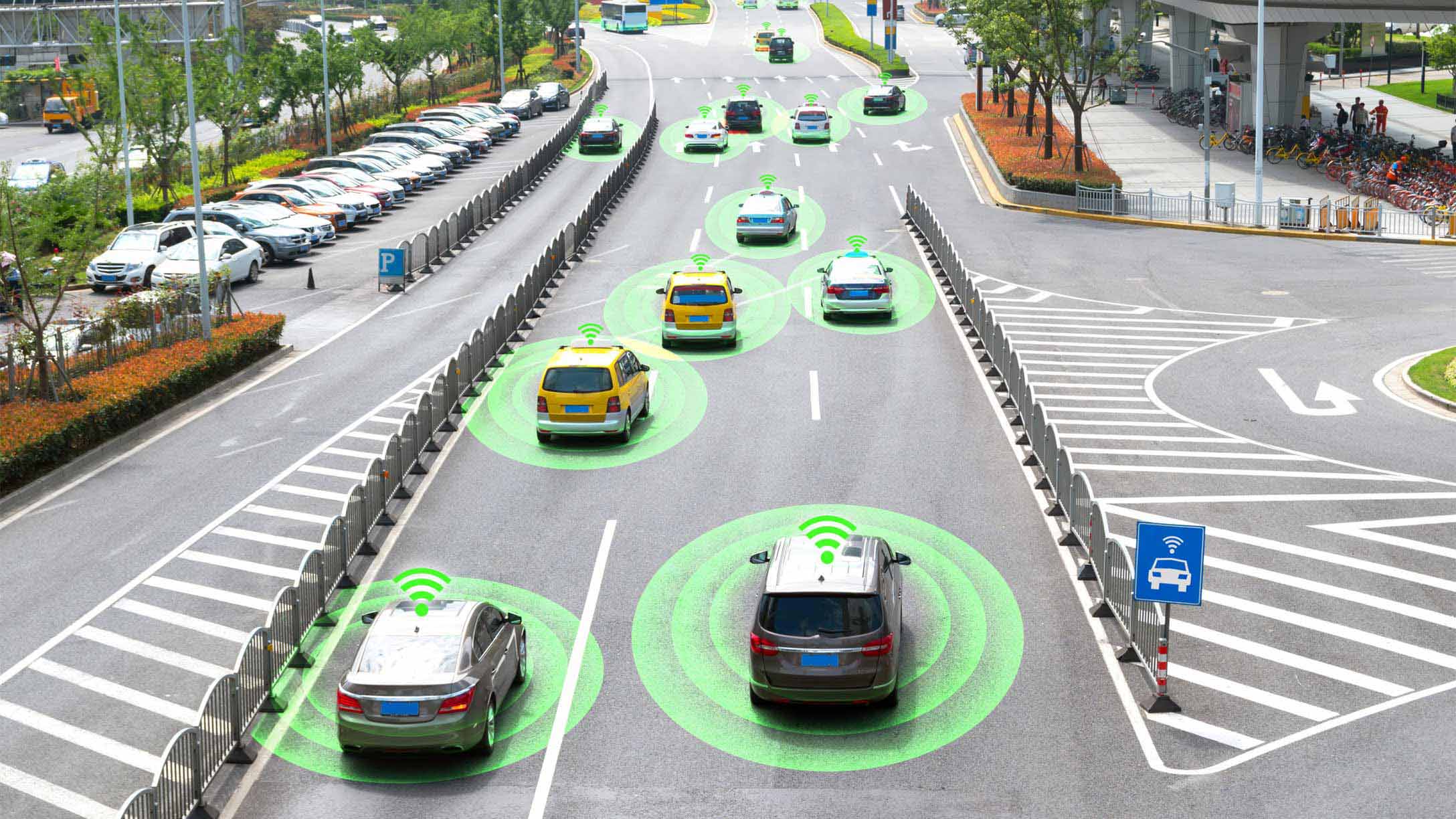
Connected Vehicles and Smart Infrastructure
Cars no longer operate in total isolation. Vehicle-to-everything communication connects cars to traffic lights, pedestrian smartphones, and other automobiles.
Imagine approaching a busy urban intersection. Your car communicates directly with the traffic light. The light shifts green slightly faster to clear traffic congestion. Alternatively, the car warns you about an accident ahead long before you see it. Smart cities coordinate traffic flows efficiently. Commuters waste less time idling in massive traffic jams. This connectivity reduces fuel consumption and lowers stress levels for everyone involved.
Innovative Materials and Lightweight Design
Weight reduction improves overall vehicle efficiency dramatically. Heavy steel frames consume massive amounts of energy during acceleration. Therefore, manufacturers experiment with advanced materials.
Engineers use carbon fiber, aluminum, and magnesium alloys extensively. These materials weigh very little. Yet, they offer incredible structural strength. Lighter cars require less energy to move forward. Electric vehicles benefit immensely from this design philosophy. Extended battery ranges become possible when total vehicle weight drops significantly.
Sustainable Manufacturing Processes
Building cars requires substantial natural resources. Forward-thinking companies now focus heavily on eco-friendly manufacturing. Factories utilize solar and wind energy to power assembly lines.
Furthermore, recycling programs expand globally every year. Automakers repurpose old battery packs to store household solar energy. Interior cabins feature vegan leather made from recycled plastics or plant fibers. Consumers demand sustainable business practices today. Companies that ignore environmental responsibility lose market share quickly. Green manufacturing protects the planet for future generations.
The Impact of Shared Mobility
Ownership models change rapidly in modern urban areas. Many city dwellers abandon traditional car ownership completely. Maintenance costs, parking fees, and insurance premiums become too expensive for young professionals.
Instead, people rely on ride-sharing applications and car-sharing networks. Users unlock a nearby vehicle with a simple smartphone app. They drive to their destination and leave the car for the next user. Autonomous fleets will soon streamline this process even further. Summoning an empty car to your doorstep takes seconds. Shared mobility reduces traffic congestion and frees up valuable city space currently wasted on parking lots.
The Role of Software-Defined Architectures
Traditional vehicles relied mostly on physical hardware upgrades. Today, software defines the true value of a modern vehicle. Over-the-air updates deliver brand-new features overnight.
Drivers receive performance boosts, updated navigation maps, and new entertainment apps without visiting a dealership. This flexibility extends the functional lifespan of every vehicle. Owners enjoy a fresh driving experience years after purchasing their car. Software integration turns cars into rolling computers.
The Integration of Solar Roofs
Energy efficiency remains a constant pursuit for automotive engineers. Sunlight strikes vehicle surfaces during every daytime drive. Therefore, designers incorporate photovoltaic cells directly into car roofs.
These integrated solar panels capture ambient light efficiently. They convert solar energy into usable electrical power. The captured energy charges auxiliary systems like air conditioning units and entertainment displays. Consequently, main battery packs retain more power for driving longer distances. This innovation brings renewable energy directly to personal transport.
Biometric Access and Security
Traditional metal keys disappear from modern showrooms. Biometric technology takes over vehicle access completely. Drivers unlock and start their cars using fingerprint scanners or facial recognition cameras. The vehicle adjusts seat positions and radio presets automatically based on who opens the door. Furthermore, biometric monitoring prevents vehicle theft effectively. Unauthorized drivers cannot bypass facial security scans. This advanced technology provides ultimate convenience and robust security.
Overcoming Future Growth Obstacles
Growth brings new technological obstacles. Cybersecurity threats worry industry experts constantly. Hackers might attempt to compromise connected vehicle systems remotely.
Software engineers must build impenetrable digital defenses. Over-the-air software updates patch security vulnerabilities instantly. Additionally, governments must update infrastructure. Roads need clear lane markings and reliable internet connectivity to support smart cars. Collaboration between tech companies and governments ensures smooth progress.
Conclusion
The transportation landscape transforms completely before our eyes. Exciting innovations redefine how society moves through the world. Clean energy powers our daily routines. Artificial intelligence makes cabins comfortable and secure. Autonomous systems eliminate human error on busy highways. A vehicle shapes a cleaner, safer, and smarter tomorrow. Every modern vehicle continues to unlock unprecedented possibilities for global transit. Embrace these amazing changes. The journey ahead looks remarkably bright.


