
 Written By
  Reviewed By Drew Marin
Introduction
In June 2023, the world watched in shock as the Titan submersible vanished on its voyage to explore the wreck of the Titanic. Five lives were lost when the vessel imploded under the immense pressure of the deep ocean. Among the passengers were British-born father and son Shahzada and 19-year-old Suleman Dawood. In a heart-wrenching revelation, their mother, Christine Dawood, disclosed she had been originally slated to join the expedition—but stepped aside so her eager son could take her place. This twist of fate transformed a dream adventure into an enduring tragedy, highlighting both the bonds of family and the perils of experimental deep-sea tourism.
A Family’s Long-Held Dream
The Dawood family’s journey toward the Titanic began years before the pandemic. Christine and Shahzada had planned the trip together when Suleman was still too young to join. The Titan offered a once-in-a-lifetime chance to dive nearly 4,000 meters to the Titanic’s remains, and the couple eagerly prepared for the adventure.
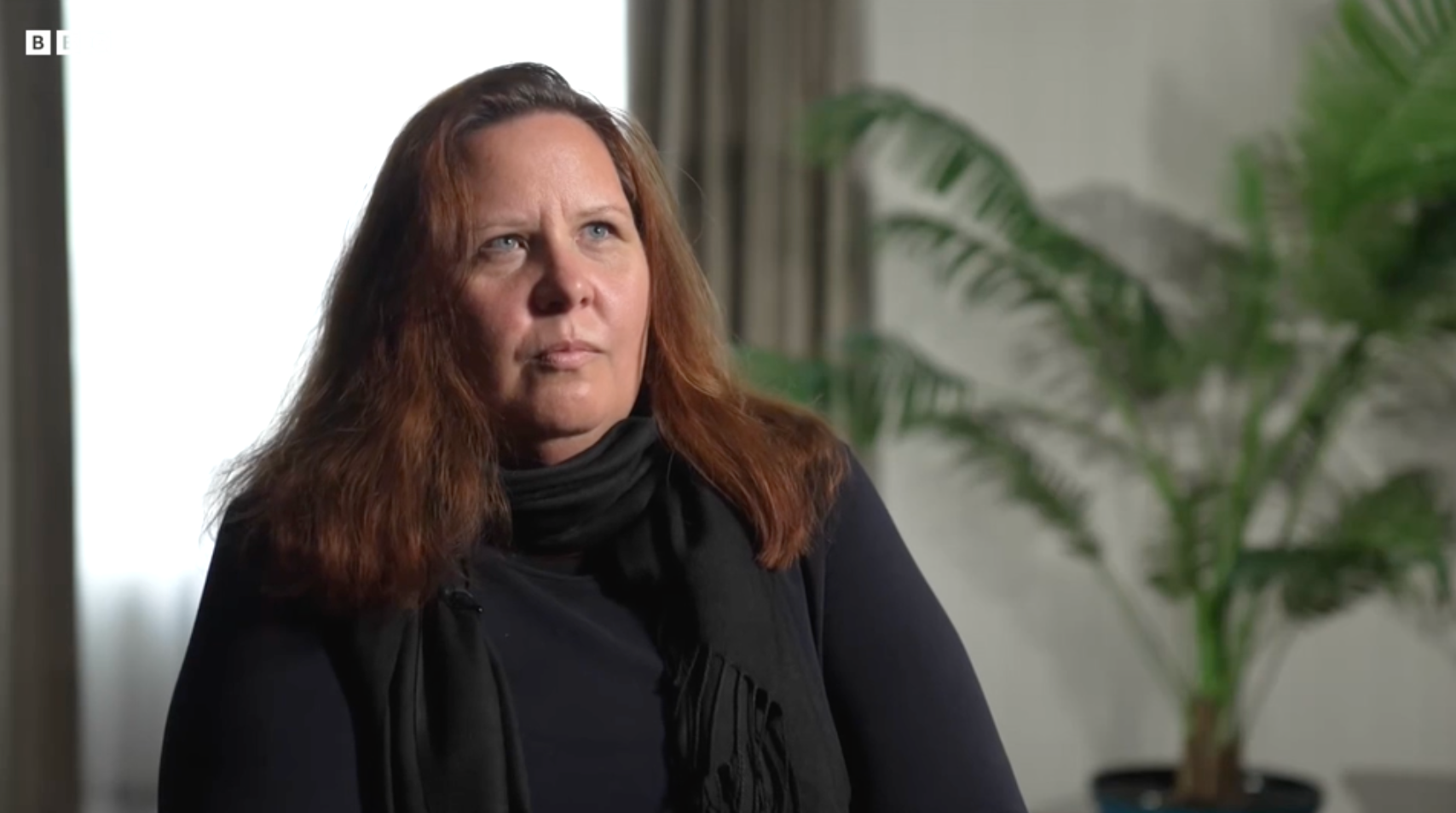
When COVID-19 delayed the voyage, Suleman’s enthusiasm never waned. As soon as he reached the required age, Christine made a decision that would haunt her: she offered her spot to her son because “he really wanted to go.” Faced with her child’s excitement, she could not refuse. “I was really happy for them, because both of them really wanted to do that for a very long time,” she told the BBC.
Suleman’s Passion: A Rubik’s Cube Record
Suleman was more than just an adventurous teenager; he was a Rubik’s Cube prodigy who could solve the puzzle in just 12 seconds. He intended to break a record by solving it 3,700 meters below sea level beside the sunken ship. “Suleman did not go anywhere without his Rubik’s Cube,” Christine recalled, capturing his blend of youthful zeal and extraordinary focus.
The image of Suleman sitting in the cramped Titan chamber, puzzle in hand, young and hopeful, underscores the human desire to explore even in the face of danger. His dream took him to the edge of human endurance—and beyond.
The Titan Submersible and OceanGate
Titan was operated by OceanGate Inc., a private company founded in 2009 to provide crewed submersibles for tourism, research, and industry. In 2021, Titan began offering excursions to the Titanic wreck for $250,000 per passenger. Built with a carbon-fiber hull, Titan was experimental and had never been thoroughly tested at the depths required for Titanic exploration.
Critics argued that Titan’s design compromised safety. An experienced pilot warned that the submersible was “not ready” for deep dives, noting flaws that could prove fatal under extreme pressure. However, OceanGate pressed ahead with its ambitious tourism venture.
The Ill-Fated Dive and Search Efforts
On June 18, 2023, Titan departed St. John’s, Newfoundland, with a pilot and four passengers—the Dawoods among them. By early June 19, Titan lost communication, triggering a multinational search and rescue operation covering tens of thousands of square miles of the Atlantic.
As days passed, hope faded. Debris field discoveries confirmed the worst: Titan had imploded under the pressure at nearly 4,000 meters, killing all aboard. The tragedy became a stark reminder of the unforgiving nature of the deep sea and the need for strict safety standards.
Christine Dawood’s Grief and Reflections
In her first interviews since the implosion, Christine Dawood has struggled to articulate her heartbreak. When asked how she felt about giving her place to Suleman, she simply said, “Let’s just skip that.” Her silence spoke volumes: a mother’s grief compounded by the knowledge that a choice made out of love carried irreversible consequences.
Today, Christine and the extended Dawood family live with the daily pain of loss. Suleman’s brilliant mind and his father’s adventurous spirit lie at rest beneath the dark waves, while his mother carries the weight of what might have been. Their story resonates with anyone who has faced the unpredictability of life and the fragility of dreams.
Lessons on Deep-Sea Exploration
The Titan disaster prompted calls for stronger regulations in the deep-sea tourism industry:
- Rigorous Testing: Submersibles must undergo thorough pressure and material testing before commercial dives.
- Independent Oversight: Third-party certification can ensure compliance with safety standards.
- Transparent Design: Companies should share engineering data and failure analyses openly.
- Emergency Protocols: Clear, practiced plans for communication loss and rescue are vital.
These measures could prevent future tragedies, balancing human curiosity with respect for nature’s extremes.
The Ethics of Adventure Tourism
OceanGate’s model—selling high-stakes thrills to wealthy adventurers—sparked ethical debates. Critics argued that deep-sea tourism should not push the boundaries of experimental technology. Proponents countered that human exploration drives innovation and understanding.
For families like the Dawoods, these debates hit home. A son’s bright promise and a father’s support of his dreams collided with the limits of human engineering. Their loss encourages reflection on how far we should go in pursuit of adventure—and at what cost.
Public and Media Reaction
Global media covered the implosion extensively. Celebrities, scientists, and everyday people expressed sorrow and outrage. On social media, tributes to Suleman’s youthful passion and Shahzada’s supportive spirit poured in. Commentary focused on:
- Innovation vs. Safety: The need to balance cutting-edge design with tested reliability.
- Economic Inequality: Only the very rich could afford such expensive dives, raising questions about access and priorities.
- Regulatory Gaps: How government and industry regulations lag behind new tourism frontiers.
The incident became a case study in risk management, corporate responsibility, and the human desire to explore.
Remembering the Dawoods
Despite her grief, Christine Dawood urges us to remember her family not for how they died, but for how they lived. Suleman’s boundless curiosity and Shahzada’s dedication to his son’s dreams offer inspiration. Their intended voyage was a tribute to human wonder, and even in loss, that spirit endures.
Christine now finds solace in sharing their story—keeping her son’s memory alive and advocating for safer exploration. As submersible technology evolves, she hopes her family’s experience guides the industry toward more rigorous safety standards.
Conclusion
The Titan tragedy remains one of the most poignant reminders of our fragile place in nature’s domain. Christine Dawood’s revelation—that she willingly ceded her spot to her son—adds a deeply human dimension to the disaster. It shows how love and sacrifice can change the course of events in ways no one can predict. As we honor the memories of Suleman and Shahzada Dawood, we must also learn from their loss. Only by demanding better safety, transparency, and oversight can future explorers seek the Titanic’s depths without the same tragic outcome. In this story of dreams, sacrifice, and heartbreak, the Dawood family’s experience offers a powerful lesson: in the vast unknown, the greatest responsibility lies in protecting those we love.