 Written By
  Reviewed By Lyra Cameron
Introduction
Pain can slow us down. Whether it’s a headache after a long day or a backache from sitting too long, finding relief is key. Essential oils for pain relief offer a natural path to comfort. These plant extracts have been used for centuries to ease aches and calm the mind. In this beginner’s guide, you will learn safe ways to use essential oils, the best oils for different pains, and simple tips to get started. Ready to find a gentle, effective way to feel better? Let’s explore how nature’s scents can help.
What Are Essential Oils?
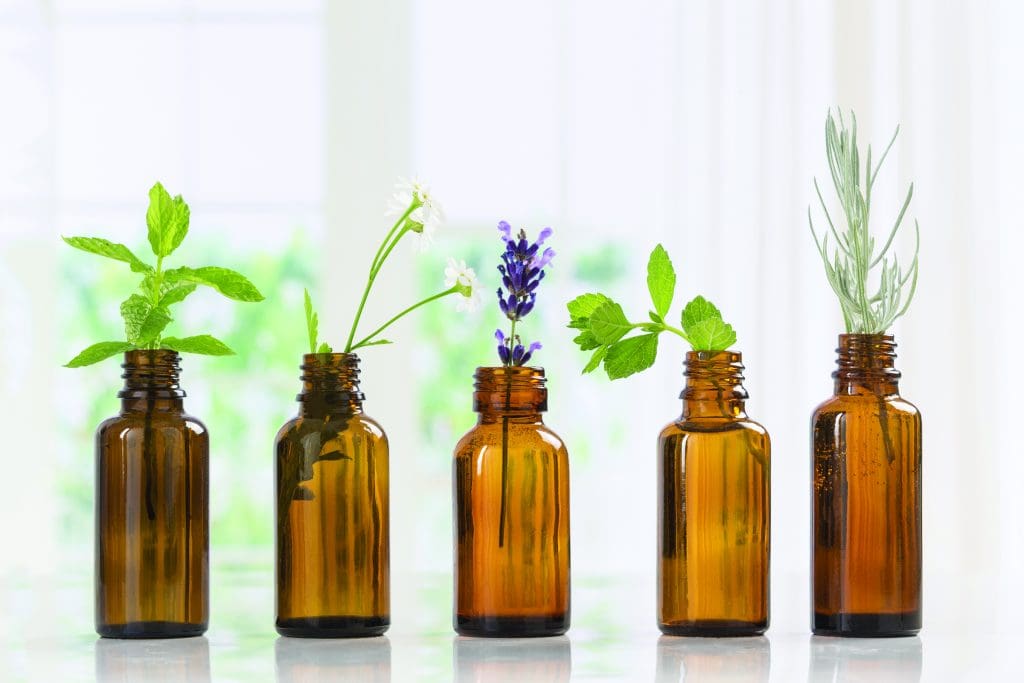
Essential oils are concentrated plant extracts. They capture the plant’s scent and active compounds. You find them in flowers, leaves, bark, and roots. Oils like lavender and peppermint carry compounds that may reduce pain and inflammation. Because they are strong, you usually dilute essential oils before using them. People use these oils in massage, baths, and diffusers. Each oil has its own set of benefits, making them a versatile tool in your natural pain relief toolkit.
How Essential Oils Work for Pain Relief
Essential oils may help ease pain in several ways:
- Anti-inflammatory action: Some oils reduce swelling in tissues.
- Analgesic effect: Certain compounds block pain signals in the nerves.
- Muscle relaxation: Oils can loosen tight muscles and reduce spasms.
- Mood support: Aromatherapy can lower stress and boost endorphins.
When you inhale or apply oils, their molecules interact with your body. They travel through your bloodstream or bind to receptors in your nose. This can change how your brain perceives pain and how your body reacts.
Safety First: Guidelines for Beginners
Before you dive in, follow these safety tips:
- Always dilute: Mix 2–3 drops of essential oil with 1 teaspoon (5 mL) of carrier oil (like coconut or jojoba).
- Patch test: Apply a small drop of diluted oil on your inner forearm. Wait 24 hours. If you see redness or feel a burn, do not use it.
- Avoid sensitive areas: Do not apply oils near eyes, inside ears, or on broken skin.
- Check for allergies: Some people react to specific plant compounds. Start with mild oils.
- Consult a doctor: If you are pregnant, nursing, or on medication, talk to a healthcare provider first.
By taking these precautions, you can enjoy the benefits of essential oils safely.
Common Methods of Application
1. Topical Massage
Mix a few drops of essential oil with a carrier oil and gently massage the painful area. This method works well for:
- Muscle aches
- Joint pain
- Headaches (temple massage)
Massage boosts circulation and helps the oil absorb into the skin.
2. Aromatherapy Diffusion
Add 5–10 drops of essential oil to an aroma diffuser. The mist spreads the scent through the room. This method is ideal for:
- Headache relief
- Stress reduction
- Overall relaxation
Diffusion unlocks mood-lifting and pain-blocking benefits.
3. Warm Compress
Combine 3–5 drops of essential oil with a cup of warm water. Soak a clean cloth, wring it out, and apply it to the sore spot. Warm compresses help with:
- Muscle soreness
- Stiff joints
- Menstrual cramps
The heat and oil work together to relax tissues.
4. Bath Soak
Add 8–10 drops of essential oil blended with a carrier oil to warm bathwater. Soak for 15–20 minutes. Baths soothe:
- Full-body tension
- Stress-related pain
- Post-workout soreness
Epsom salt can boost muscle-relaxing effects.
Top Essential Oils for Pain Relief
Here are some of the most popular oils and how they help:
1. Lavender Oil
- Benefits: Calms nerves, relieves headache pain, soothes muscle tension.
- How to use: Diffuse in your bedroom or mix 3 drops with carrier oil for a head or neck massage.
2. Peppermint Oil
- Benefits: Cools sore muscles, eases tension headaches, boosts circulation.
- How to use: Dilute 2 drops in carrier oil and massage over temples or aching joints.
3. Eucalyptus Oil
- Benefits: Reduces inflammation, clears sinuses, relieves respiratory discomfort.
- How to use: Inhale steam with 3–4 drops or apply a diluted blend to chest muscles.
4. Rosemary Oil
- Benefits: Eases muscle pain, improves blood flow, supports nerve health.
- How to use: Mix 3–5 drops with carrier oil and massage into sore shoulders or legs.
5. Ginger Oil
- Benefits: Warms the body, reduces joint pain, fights inflammation.
- How to use: Blend 2 drops with carrier oil and apply to painful knees or ankles.
6. Chamomile Oil
- Benefits: Calms nerves, soothes muscle spasms, helps with menstrual cramps.
- How to use: Diffuse in the evening or massage a diluted mix into the lower abdomen.
7. Frankincense Oil
- Benefits: Powerful anti-inflammatory effects, supports joint health.
- How to use: Dilute 3 drops with carrier oil and apply to arthritic areas.
Simple Blends to Try
Mixing oils can enhance their effects. Here are two easy blends:
Blend NameOils and RatiosBest ForHeadache EaseLavender (3 drops), Peppermint (2 drops)Temple and neck massageMuscle SootherEucalyptus (3 drops), Rosemary (2 drops), Ginger (1 drop)Warm compress or massage
Always combine the total drops with at least 1 teaspoon of carrier oil before use.
Backed by Research
Studies show that essential oils can help relieve pain:
- A 2017 review found that lavender oil reduced migraine intensity when inhaled .
- Research on peppermint oil shows it may block pain signals and improve blood flow .
- Clinical trials on ginger oil suggest it lowers inflammation markers in arthritis patients .
While more studies are needed, current evidence supports essential oils as a valuable part of natural pain relief.
Precautions and When to Seek Help
Essential oils are helpful but not a cure-all. Keep these points in mind:
- Serious Pain: If pain is sudden, severe, or lasts more than a week, see a healthcare professional.
- Interactions: Oils can interact with some medications. Always check with a doctor if you have health conditions.
- Quality Matters: Choose pure, therapeutic-grade oils without synthetic additives.
- Child and Pet Safety: Some oils are toxic to children or pets. Research each oil’s safety guidelines.
Use oils wisely and seek medical advice when needed.
Conclusion
Essential oils offer a gentle, natural way to ease pain and improve wellness. From lavender oil for headaches to ginger oil for joint relief, these plant extracts have unique properties that can soothe aches and boost mood. Remember to dilute oils, perform a patch test, and follow safe methods like topical massage or diffusion. Blending oils can enhance their power, and research supports many of these uses. For chronic or severe pain, always consult a doctor. With the right oils and simple techniques, you can start your journey toward natural pain relief today, using this beginner’s guide to unlock the soothing power of aromatherapy.