
 Written By
  Reviewed By Reese Miller
Introduction
Sri Lanka, the teardrop-shaped island in the Indian Ocean, has long fascinated travelers with its rich history, vibrant culture, and diverse landscapes. From pristine beaches to misty mountains, ancient temples to bustling markets, the country offers an experience that blends adventure, relaxation, and cultural immersion. Planning a trip to Sri Lanka, however, requires more than just booking flights and accommodation. Understanding the local culture, transport options, seasonal weather patterns, and safety considerations can greatly enhance the travel experience. By equipping yourself with the right knowledge, you can avoid common pitfalls and make the most of your journey. Whether you are a first-time visitor or a returning traveler, a well-prepared itinerary and some insider tips can transform a standard vacation into a memorable adventure.
Visa Requirements and Entry Rules for 2025
Before you pack your bags, it’s crucial to check the latest visa requirements. Sri Lanka offers an Electronic Travel Authorization (ETA) for most travelers, which allows you to apply for a visa online before your trip. The ETA is valid for tourism, business, and transit purposes, and it typically grants a stay of up to 30 days.
For travelers planning an extended stay, a visa extension can be applied for once in Sri Lanka. Be sure to check the official Sri Lankan government website for any updated regulations, as visa requirements can sometimes change.
Additionally, as global travel is evolving, make sure to verify if there are any health-related entry requirements, such as vaccinations or COVID-19 protocols. In 2025, these might still be relevant, especially for international travelers.
Planning Your Sri Lanka Holidays
When preparing for Sri Lanka holidays, careful planning is essential to maximize both enjoyment and safety. One of the first considerations is deciding when to visit, as the island experiences two monsoon seasons. The southwest monsoon affects the southern and western regions from May to September, while the northeast monsoon impacts the northern and eastern parts from December to February. Understanding these weather patterns helps in selecting the best destinations within the country during your stay.
Accommodation is another critical factor. Major cities like Colombo, Kandy, and Galle offer a wide range of hotels, boutique stays, and guesthouses catering to different budgets. For travelers seeking authentic experiences, homestays in rural villages or eco-lodges in wildlife areas can provide a closer connection to local life. Booking in advance is advisable during peak tourist seasons to secure the best deals and preferred locations.
Additionally, transportation plays a significant role in shaping the travel experience. Sri Lanka’s transport system includes trains, buses, and private taxis. The train routes, especially the scenic journey from Kandy to Ella, are highly popular and offer breathtaking views of tea plantations and rolling hills. Hiring a private driver can be costlier but provides flexibility, particularly for travelers with tight schedules or remote destinations.
Best Time to Visit Sri Lanka
Sri Lanka’s tropical climate makes it a year-round destination. However, the best time to visit depends on which part of the island you’re planning to explore. The country has two main monsoon seasons:
- Southwest Monsoon (May to September): This season affects the southwest coast, including popular spots like Colombo, Galle, and Bentota.
- Northeast Monsoon (October to January): This season brings rain to the northeast region, including places like Trincomalee and Jaffna.
The ideal months to visit Sri Lanka are from December to March, when the weather is generally dry and sunny across most of the country, perfect for exploring beaches, wildlife parks, and cultural sites.
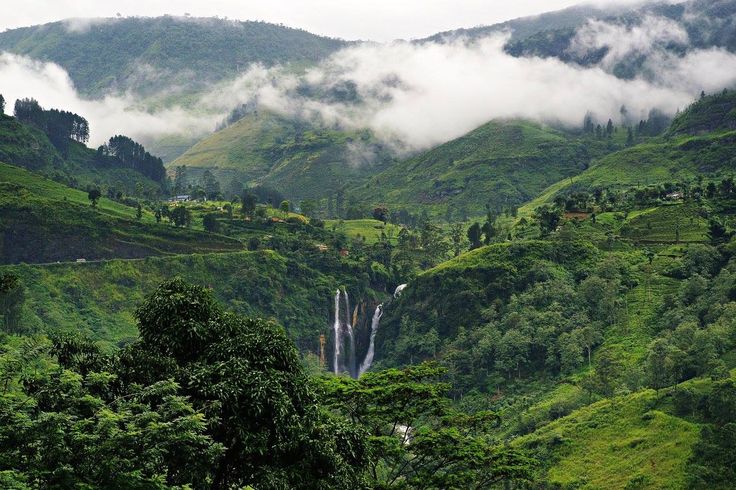
If you’re planning to visit the hill stations or tea plantations in areas like Kandy and Nuwara Eliya, the weather is pleasant throughout the year, though it can get cooler in the evenings.
Exploring Sri Lanka Tourist Attractions
Sri Lanka is renowned for its array of Sri Lanka Tourist Attractions that cater to a variety of interests. Historical enthusiasts can explore the ancient city of Anuradhapura, which boasts UNESCO World Heritage status and centuries-old stupas and temples. Similarly, the city of Polonnaruwa provides insights into medieval Sinhalese civilization through its preserved ruins and statues.
Nature lovers are spoiled for choice. Yala National Park is famous for its leopards, elephants, and diverse bird species, making it a prime location for safari enthusiasts. Nuwara Eliya, often referred to as “Little England,” is celebrated for its tea plantations, cool climate, and colonial architecture. Coastal towns like Mirissa and Unawatuna offer pristine beaches ideal for surfing, snorkeling, and whale watching. Each attraction not only provides visual splendor but also educational experiences about Sri Lanka’s ecology, culture, and history.
Cultural events also form a significant part of the tourist experience. The Kandy Esala Perahera festival, for example, is a spectacular procession featuring traditional dancers, drummers, and elaborately decorated elephants. Participating in such events offers travelers a glimpse into Sri Lanka’s rich traditions and spiritual practices, creating memories that extend beyond sightseeing alone.
Transportation in Sri Lanka: Getting Around
Sri Lanka offers a variety of transportation options for travelers, but it’s essential to plan your travel wisely, as some modes are more convenient than others.
- Private Taxis and Ride-hailing Apps: Sri Lanka’s cities like Colombo have popular ride-hailing apps like PickMe, which offer a hassle-free way to get around. Private taxis can be booked at reasonable rates, but always ensure you agree on the fare beforehand.
- Train Travel: Sri Lanka’s train system is famous for its scenic routes, especially the journey through the tea plantations in Kandy and Ella. The train ride offers breathtaking views, making it a must-do experience for nature lovers.
- Public Buses: While public buses are an affordable option, they can be crowded and not the most comfortable. If you want to save time and avoid the hassle, private buses or tourist buses may be a better option.
- Tuk-Tuks: These three-wheeled vehicles are a convenient and popular way to get around in cities and towns. Make sure to negotiate the fare or use a meter before hopping in. In tourist-heavy areas, tuk-tuk drivers may try to overcharge, so be vigilant.
- Car Hire: Renting a car can offer flexibility, but driving in Sri Lanka requires caution due to the country’s unique road conditions and traffic laws. If you’re not comfortable driving on the left side of the road, it’s best to hire a driver along with the car rental.
Practical Travel Tips
1. Currency and Payments
The Sri Lankan Rupee (LKR) is the local currency. While major hotels and restaurants accept credit cards, cash remains essential in rural areas and local markets. Travelers are advised to carry small denominations and exchange currency at authorized banks or reputable exchange centers to avoid scams.
2. Language and Communication
Sinhala and Tamil are the official languages, with English widely understood in tourist regions. Learning basic greetings or phrases in local languages can enhance interactions and demonstrate respect for the culture.
3. Health and Safety
Travelers should ensure they have proper vaccinations and health insurance coverage before arriving. Tap water is generally not safe for drinking, so bottled water is recommended. Road safety is another consideration, as traffic rules may differ from those in your home country.
4. Packing Essentials
Packing should consider climate and activities. Lightweight clothing is suitable for coastal regions, whereas layered clothing is recommended for cooler hill country areas. Sun protection, insect repellent, and comfortable walking shoes are essential for outdoor exploration.
Sustainable Travel Practices
Responsible tourism is increasingly important in Sri Lanka. Travelers can contribute positively by respecting local customs, avoiding single-use plastics, and supporting local businesses. Engaging in eco-friendly tours, such as wildlife conservation projects or community-based tourism initiatives, ensures that tourism benefits local communities and the environment.
For instance, visiting tea estates that adhere to sustainable practices allows tourists to learn about ethical production while minimizing environmental impact. Similarly, choosing homestays over large hotels can provide more authentic cultural experiences while supporting local livelihoods.
Case Study: A Week-Long Itinerary
To illustrate effective planning, here’s a sample week-long itinerary for travelers seeking a balanced Sri Lanka experience:
- Day 1–2: Colombo: Explore the National Museum, Gangaramaya Temple, and local markets.
- Day 3: Kandy: Visit the Temple of the Tooth Relic and enjoy a cultural show.
- Day 4-5: Nuwara Eliya: Tour tea plantations, Gregory Lake, and Horton Plains National Park.
- Day 6: Yala National Park: Experience a guided safari to spot leopards and elephants.
- Day 7: Southern Coast (Galle & Mirissa): Relax on beaches, explore Galle Fort, and enjoy whale watching.
This itinerary provides a balanced mix of cultural, natural, and recreational experiences while considering realistic travel times.
Conclusion
Navigating Sri Lanka successfully in 2025 requires thoughtful planning, cultural awareness, and practical preparation. From understanding seasonal weather patterns to exploring Sri Lanka Tourist Attractions, every step contributes to a richer travel experience. Sri Lanka holidays offer the chance to immerse yourself in vibrant traditions, scenic landscapes, and wildlife adventures. By following the tips outlined in this guide, travelers can enjoy a safe, enjoyable, and memorable journey through this enchanting island. Whether seeking relaxation on pristine beaches or adventure in the mountains, Sri Lanka has something for everyone, making it a must-visit destination in the coming year.