

 Written By
 Choosing your first perfume can feel exciting and confusing at the same time. Walk into a fragrance store, and you may see countless bottles with unfamiliar names and different price tags. Each scent can smell completely different on your skin.
Fortunately, you do not need to become a fragrance expert before buying your first bottle. You only need to understand a few basic ideas. Once you learn how perfumes work, you can compare scents with greater confidence.
This perfume guide will help beginners understand fragrance notes, concentrations, application methods, and other important factors. Most importantly, it will help you choose a scent that fits your personality and lifestyle.
Start by Understanding Fragrance Notes
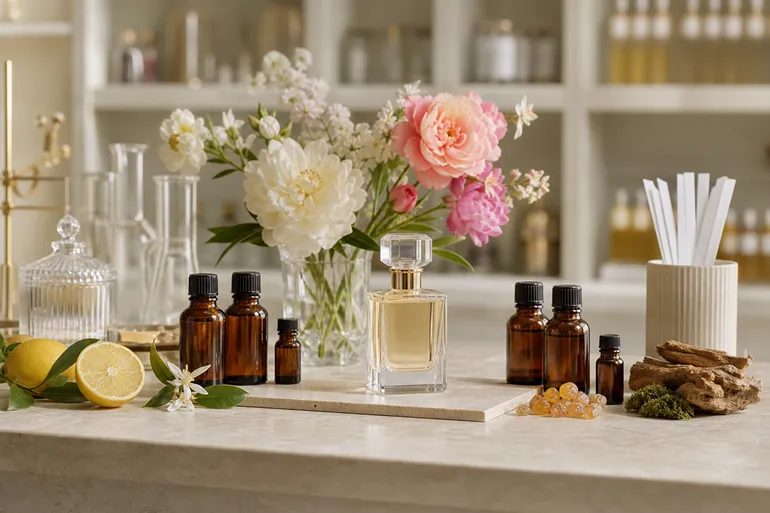
Perfumes contain different notes that appear at different stages after application. These notes create the overall fragrance experience. Top notes provide the first impression. You notice them immediately after spraying the perfume. Citrus, herbs, and light fruity ingredients often appear in the opening. However, these notes usually disappear relatively quickly.
Next, heart notes begin to emerge. They create much of the perfume’s main character. Floral, spicy, fruity, and aromatic notes often appear during this stage.
Finally, base notes develop as the fragrance settles. Woods, vanilla, musk, amber, and other deeper ingredients can create the lasting impression. Therefore, avoid judging a perfume immediately after spraying it. Give it time to change. A fragrance that smells average at first may become much more appealing later.
Learn the Main Fragrance Families
Fragrance families make perfume shopping easier. They help you understand the general style of a scent before you test it. Floral fragrances often feature flowers such as rose, jasmine, lavender, or orange blossom. They can feel romantic, elegant, soft, or fresh.
Citrus fragrances usually create a bright and refreshing experience. Lemon, bergamot, orange, and grapefruit often appear in these scents. They can work particularly well during warm weather.
Woody fragrances offer a warmer and deeper character. Common notes include sandalwood, cedar, vetiver, and patchouli. These fragrances can feel sophisticated and grounded.
Fresh fragrances often feature aquatic, green, herbal, or clean notes. They can create a crisp and relaxed feeling. Amber and spicy fragrances usually offer warmth and richness. Vanilla, cinnamon, resins, and spices may contribute to their character. You do not need to memorize every fragrance family. Instead, identify the styles you enjoy. Then, use those preferences to narrow your choices.
Consider Your Lifestyle
Your daily routine should influence your perfume choice. A fragrance that works for an evening party may not suit a quiet office environment. For work, choose something comfortable and moderate. Fresh, clean, citrus, or soft woody scents can work well for everyday settings.
For casual outings, you have more freedom. You can explore fruity, floral, fresh, or aromatic fragrances based on your taste. For dinners and special occasions, richer fragrances may feel more appropriate. Warm woods, amber, vanilla, and spices can create a stronger impression.
Think about your surroundings as well. A heavy fragrance can feel overwhelming in a small room. On the other hand, a lighter scent may work better outdoors or during warm weather. The best perfume should fit naturally into your routine rather than create discomfort.
Understand Perfume Concentrations
Perfume labels often mention terms such as eau de toilette, eau de parfum, and parfum. These terms generally refer to fragrance concentration. Eau de toilette often provides a lighter fragrance experience. Many people enjoy it for daytime wear and warmer weather.
Eau de parfum usually offers a richer scent and often lasts longer. It can work well for both everyday use and special occasions. Parfum generally contains a higher concentration of fragrance materials. It can provide a deeper experience and may require fewer sprays.
However, concentration does not guarantee a specific performance. Ingredients, skin chemistry, application, and weather can all influence how a fragrance performs. Therefore, focus on how the perfume actually smells on you instead of relying only on the label.
Always Test Perfume on Your Skin
A perfume can smell different on your skin than it does on a paper tester. Start by spraying a small amount on your wrist or another suitable area. Let the fragrance dry naturally. Avoid rubbing your wrists together because that can interfere with how the scent develops.
Wait several minutes and smell it again. Then, check the fragrance after a few hours. This process helps you understand the complete scent. You may enjoy the opening but dislike the dry-down. Alternatively, the fragrance may become better as it settles. This perfume guide recommends patience because your first impression does not always tell the whole story.
Do Not Test Too Many Scents
Your nose can become overwhelmed when you test too many perfumes at once. After several fragrances, different scents may begin to blend together. Instead, test a few options during each shopping trip. Start with fragrance strips. Once you find a few favorites, move to skin testing.
Take breaks between different scents. Step outside for fresh air if necessary. This simple habit can help you evaluate fragrances more accurately. Also, keep track of the perfumes you enjoy. Write down their names and the notes that caught your attention. Over time, you will notice patterns in your preferences.
Apply Perfume Correctly
Proper application can help you enjoy your fragrance without using too much. Apply perfume to pulse points such as the wrists, neck, or areas near the collarbone. You can also spray lightly onto the body after moisturizing. Hydrated skin may help the fragrance feel more comfortable and noticeable.
Avoid spraying excessive amounts. More perfume does not always create a better result. Instead, it can overwhelm the people around you. Let the fragrance settle naturally. You do not need to rub it into your skin. Remember that the goal is to create a pleasant scent that stays close enough to feel inviting.
Choose a Scent That Matches Your Personality
Perfume can become part of your personal style. Therefore, choose something that makes you feel comfortable. If you enjoy an energetic and relaxed style, fresh or citrus fragrances may suit you. If you prefer a classic appearance, floral or woody scents may feel more natural by perfume guide.
People who enjoy bold styles may prefer spicy, amber, or richer fragrances. Meanwhile, those who prefer simplicity may enjoy clean and subtle scents. There is no universal best perfume. Your preferences matter more than trends.
Take Your Time Before Buying
Never feel pressured to buy a perfume immediately. If a store offers samples, take one home and test it during a normal day. Notice how the scent develops. Pay attention to how long you enjoy it and whether it becomes too strong.
Also, consider how often you will wear it. An affordable fragrance that you enjoy regularly can provide more value than an expensive bottle that rarely leaves your shelf. Good perfume shopping requires patience. Give yourself permission to compare different options before making a decision.
Final Thoughts
Choosing your first perfume becomes much easier when you understand the basics. Learn about fragrance notes and families. Consider your lifestyle and the occasions when you plan to wear the scent.
Always test perfume on your skin and give it time to develop. Avoid testing too many fragrances at once. Most importantly, choose a scent that feels comfortable and reflects your personal style.
A good perfume should enhance your confidence, not overwhelm you. With the right knowledge and a little patience, you can discover a fragrance that feels like your own.
Use this perfume guide as a starting point rather than a strict set of rules. Fragrance remains a personal experience. Explore different styles, trust your preferences, and enjoy the process of finding a scent you genuinely love.


